

Alternatives to clip charts give teachers structure and clear expectations without turning behavior into a public scoreboard. If you have ever watched a student's face fall as their clip moves down to red in front of the whole class, you already kno...
Read More


A classroom observation checklist for special education turns a vague impression like "he struggles in class" into clear, specific notes you can bring to an IEP meeting, a parent conference, or a team problem-solving session. Good observation data i...
Read More

Autistic burnout in students is a state of deep physical, emotional, and cognitive exhaustion that builds up when an autistic child or teen has been coping with more demands than they can sustain for too long. It is not laziness, defiance, or a phas...
Read More

School counselor crisis intervention is the calm, structured response a counselor provides when a student is in acute distress, from a panic attack or a family emergency to self-harm concerns or thoughts of suicide. When a crisis walks into your off...
Read More
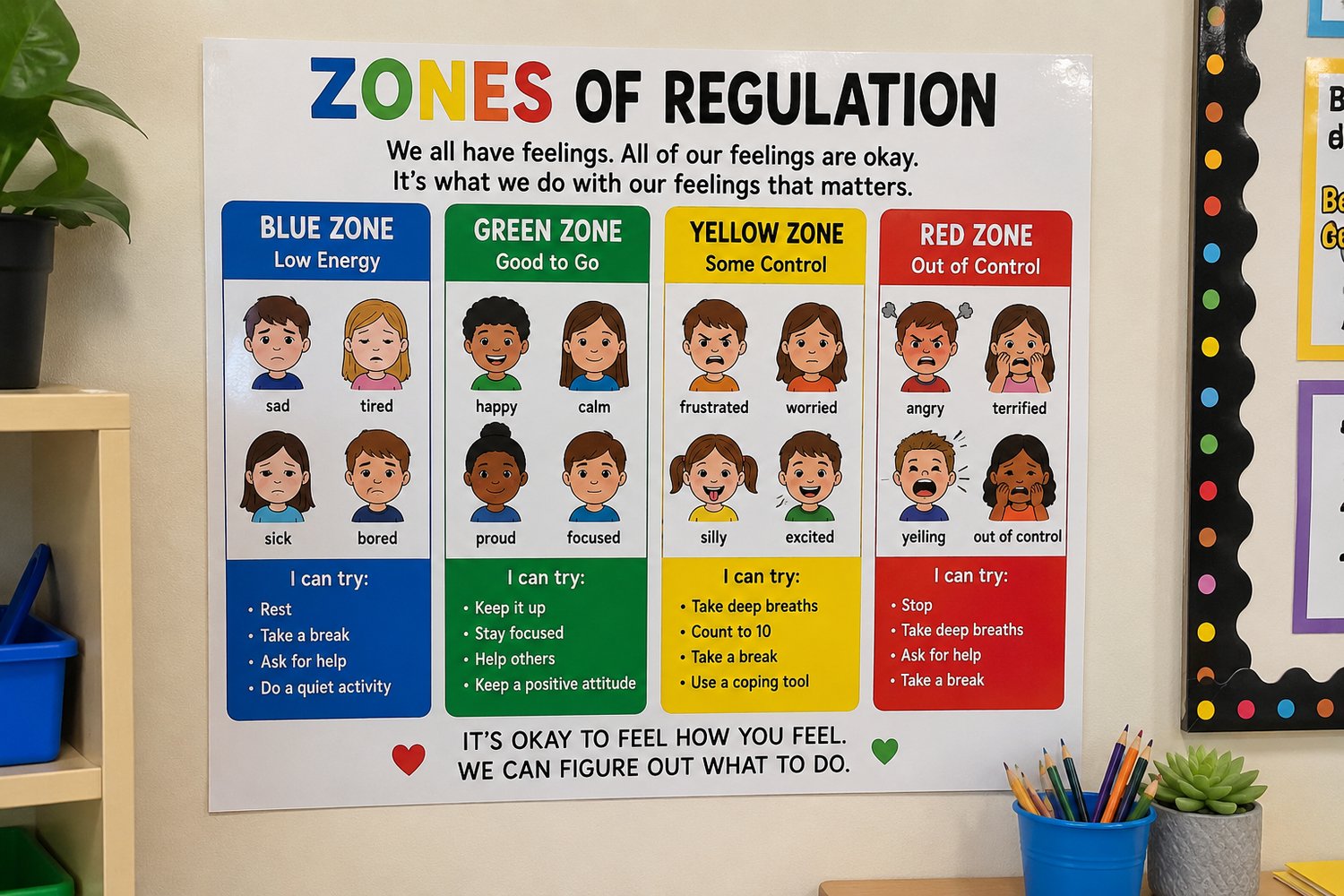
Telling a dysregulated student to "use your words" rarely works, especially for autistic students and students with ADHD. Many struggle with alexithymia, difficulty identifying and naming what they are feeling in the moment, or with interoception, t...
Read More
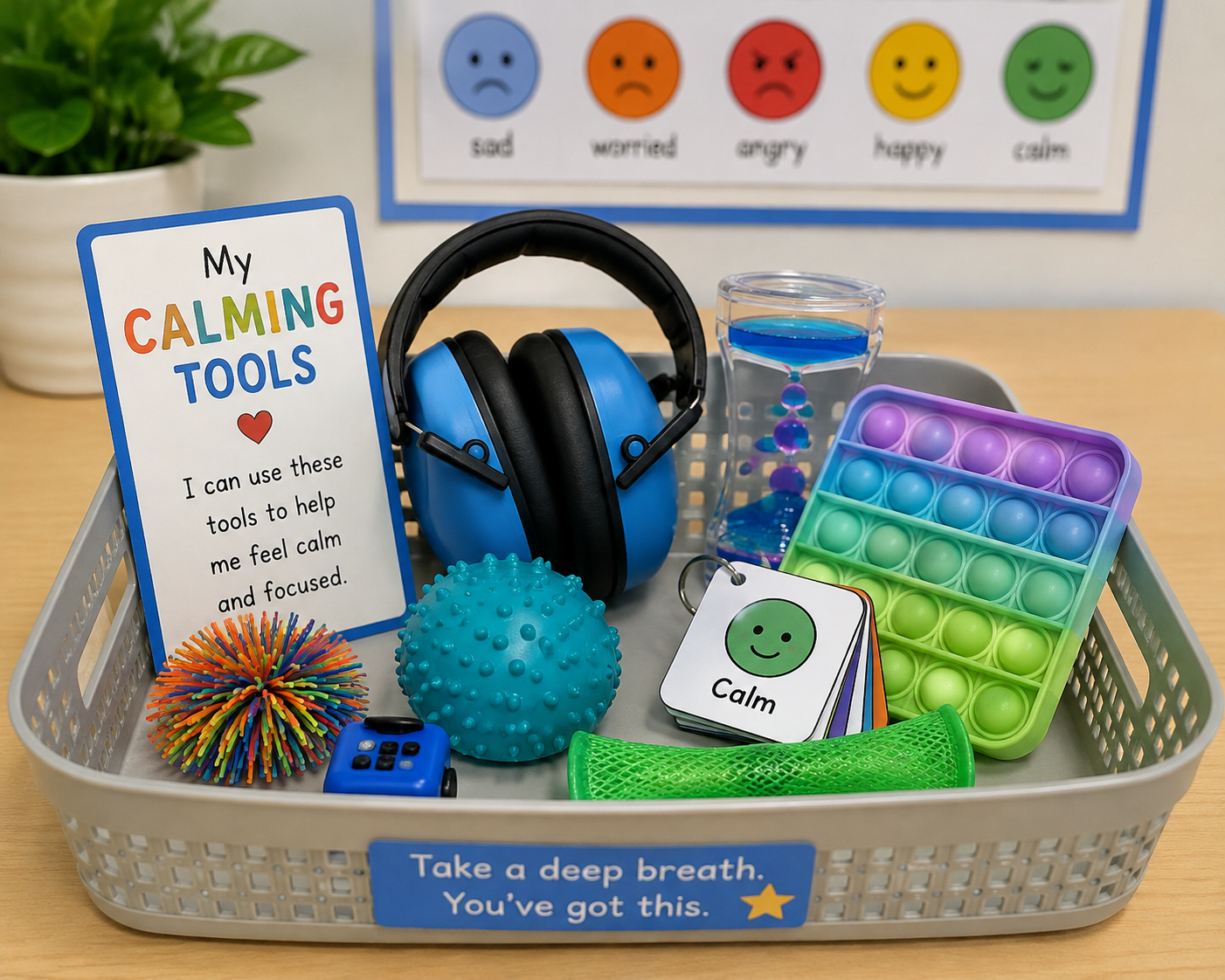
A calm corner with a beanbag and a poster is a start, but it only works if the student inside it actually knows what to do. A calming toolkit fills that gap: a personalized, hands on set of strategies a student has helped choose and has already prac...
Read More
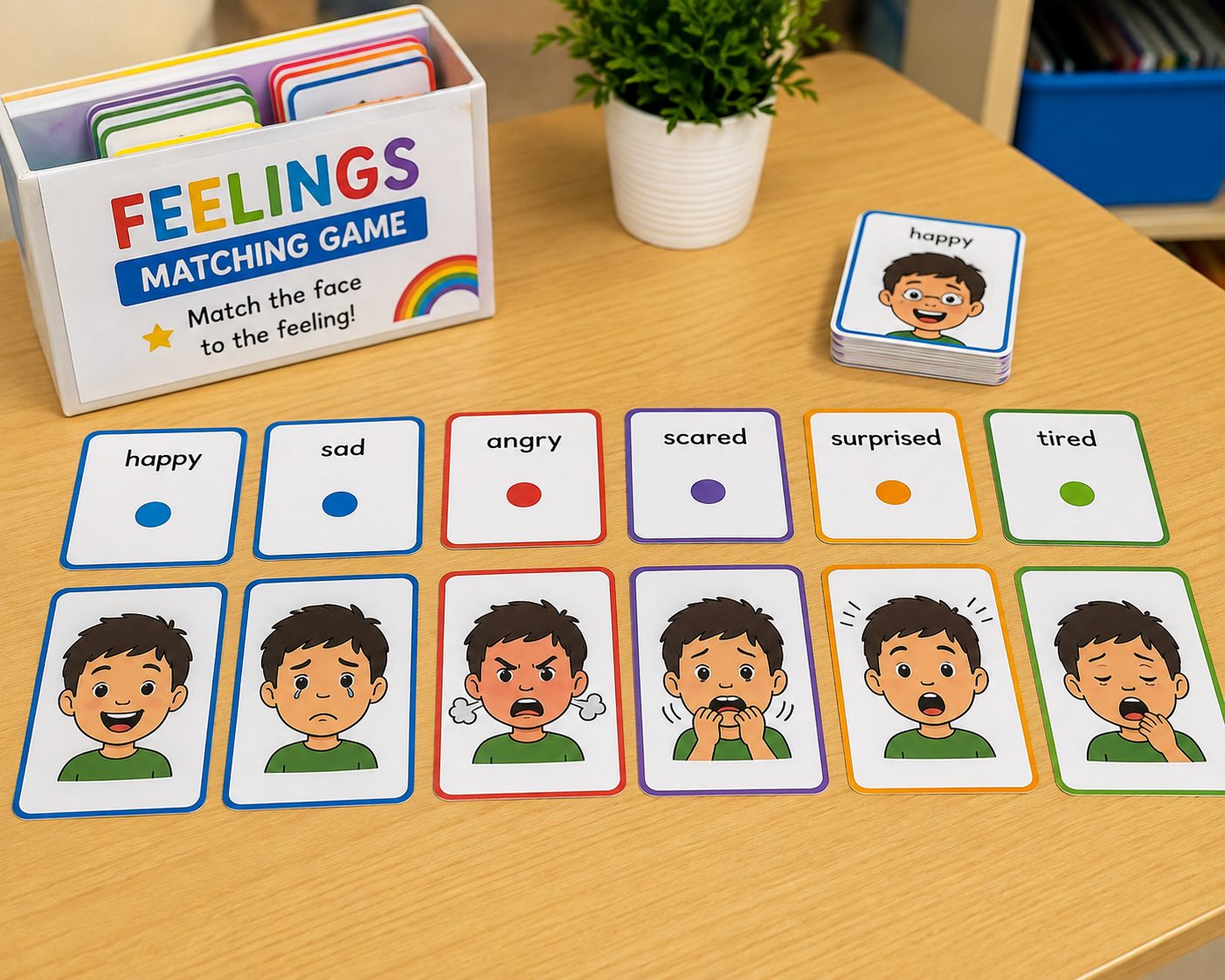
Before a student can regulate an emotion, they have to be able to name it, and for many autistic students and students with ADHD, that step is far harder than it looks. This is not a lack of effort. It is often a genuine skill gap that needs to be t...
Read More
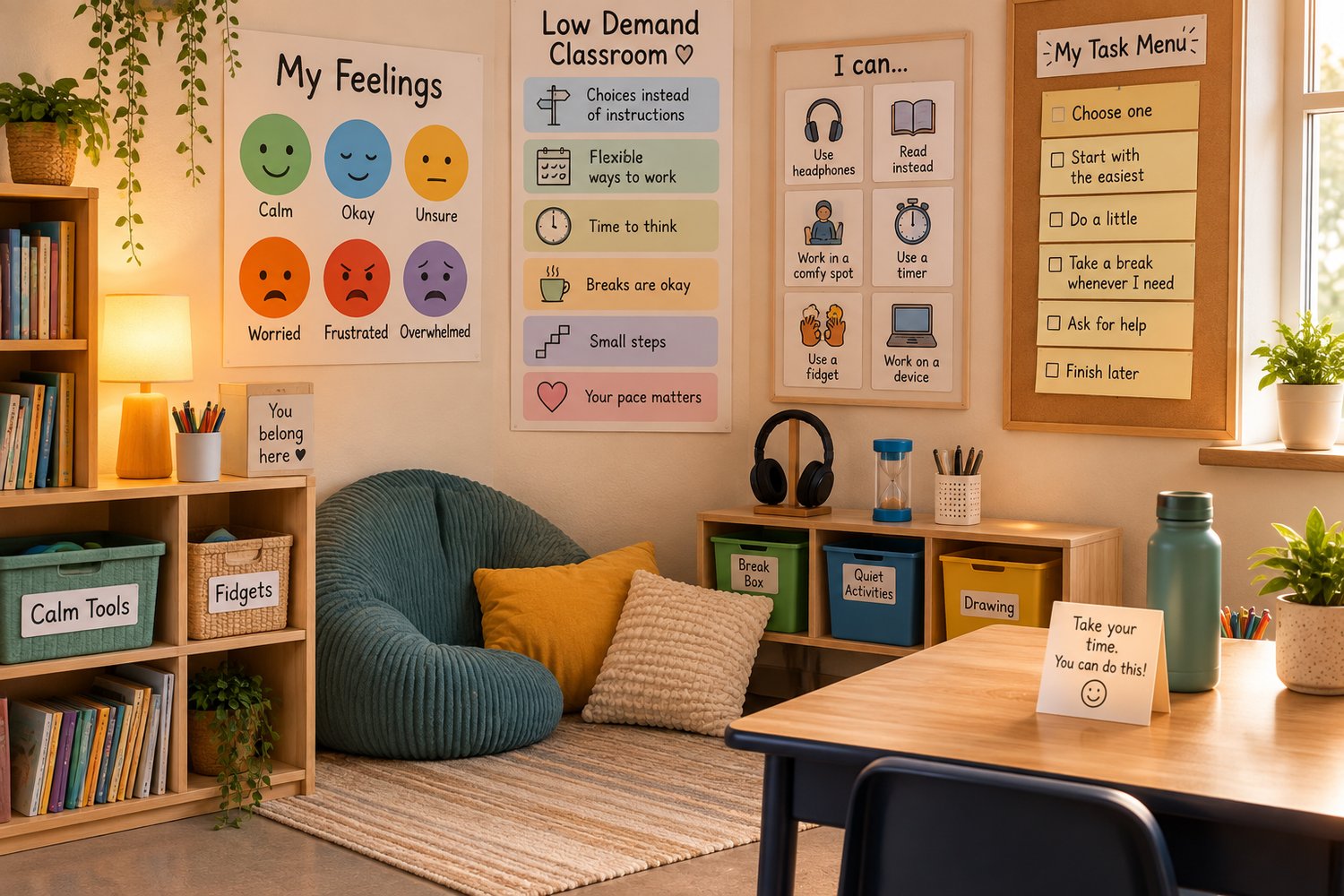
If you have a student who says no to almost everything, negotiates every instruction, jokes their way out of tasks, or seems to shut down the moment a demand is placed on them, it can feel confusing and exhausting, especially when nothing in your us...
Read More

For some families and teachers, the hardest part of the school week is simply getting a child through the door. School refusal in autistic students is rarely about not wanting to learn. It is almost always a sign that school has become associated wi...
Read More

"No." "I won't." "I can't." For teachers and parents supporting a child with a PDA profile, these responses can come up dozens of times a day, often over things that seem small. What you say next matters more than most people realize, and the instin...
Read More
It happens fast. One minute a student is working, the next they're shouting, crying, throwing materials, or completely shut down, and you have 24 other students watching to see what you do next. ADHD meltdowns aren't defiance. They're usually the re...
Read More
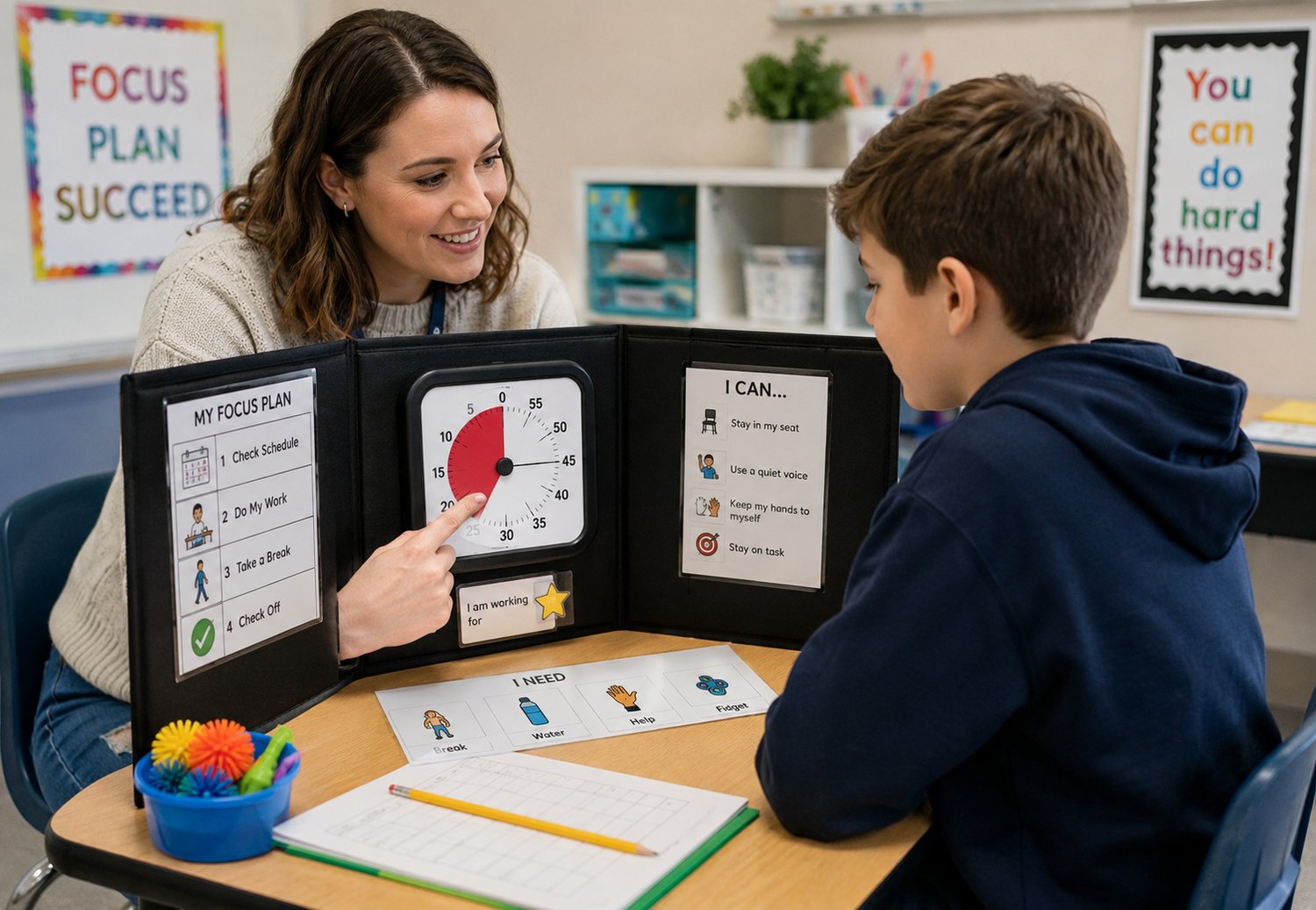
If you've ever finished a school day wondering how to better reach that one student who can't sit still, loses focus mid-sentence, or seems to be working twice as hard as everyone else just to keep up, you're not alone. ADHD shows up differently in ...
Read More
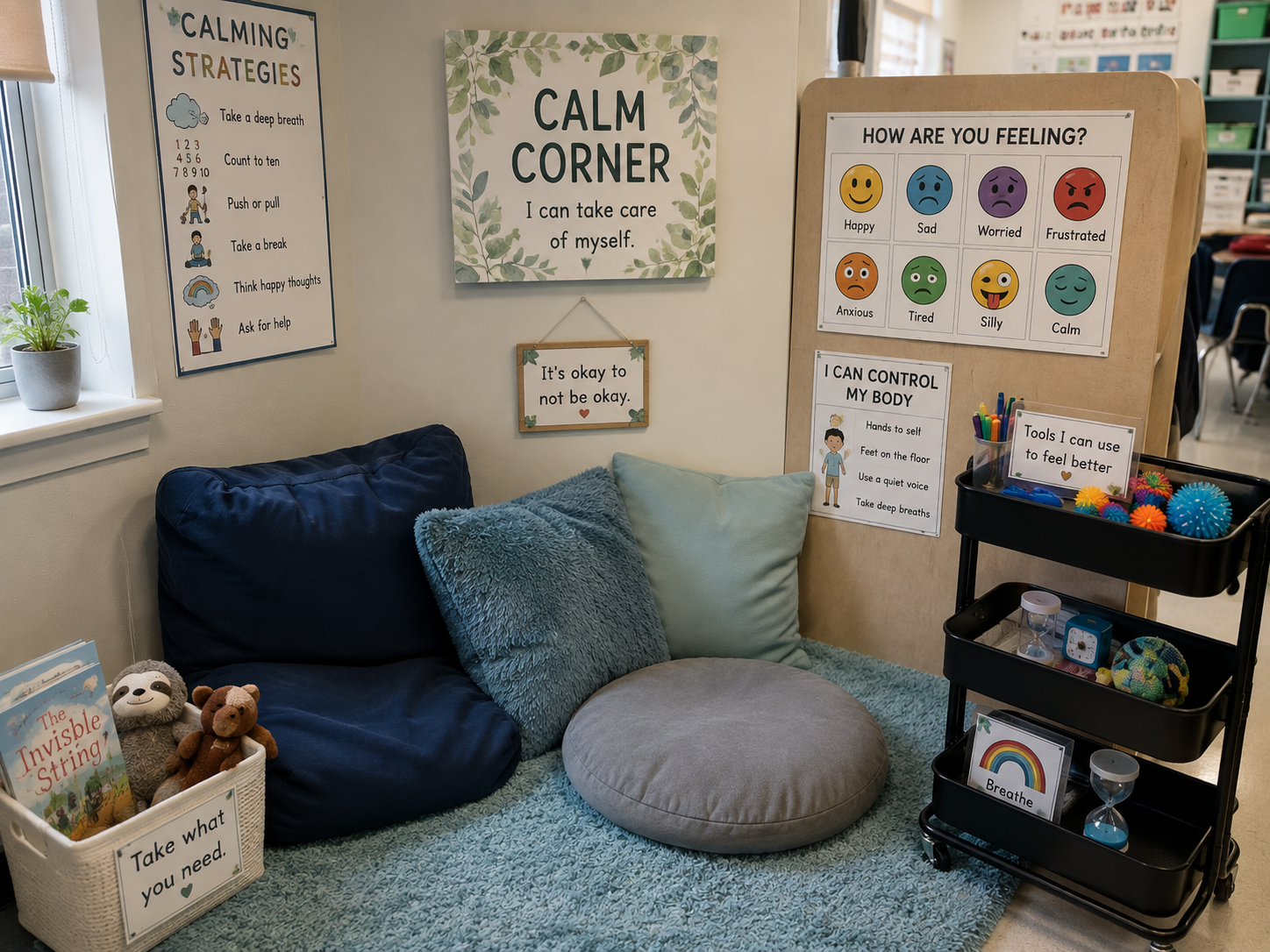
Most teachers have tried some version of a "calm-down corner": a beanbag chair shoved in the back, maybe a poster about feelings. And most teachers have also watched students avoid it, refuse to use it, or turn it into a hiding spot instead of a res...
Read More