

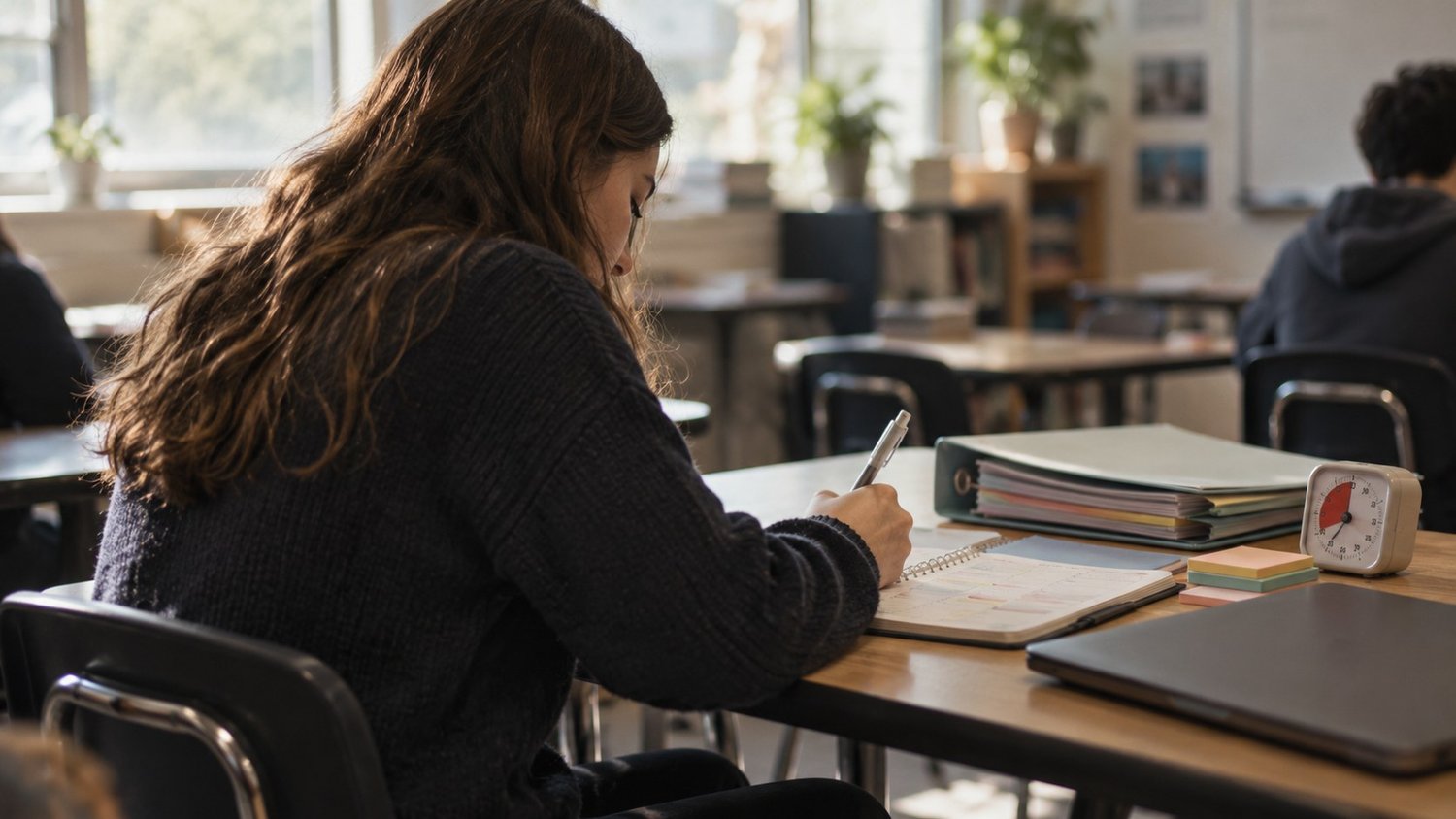
Executive functioning strategies for teens help middle and high school students plan, start, and finish their work, keep track of materials, and handle the unexpected without shutting down. As school gets more demanding, many students who coasted in...
Read More
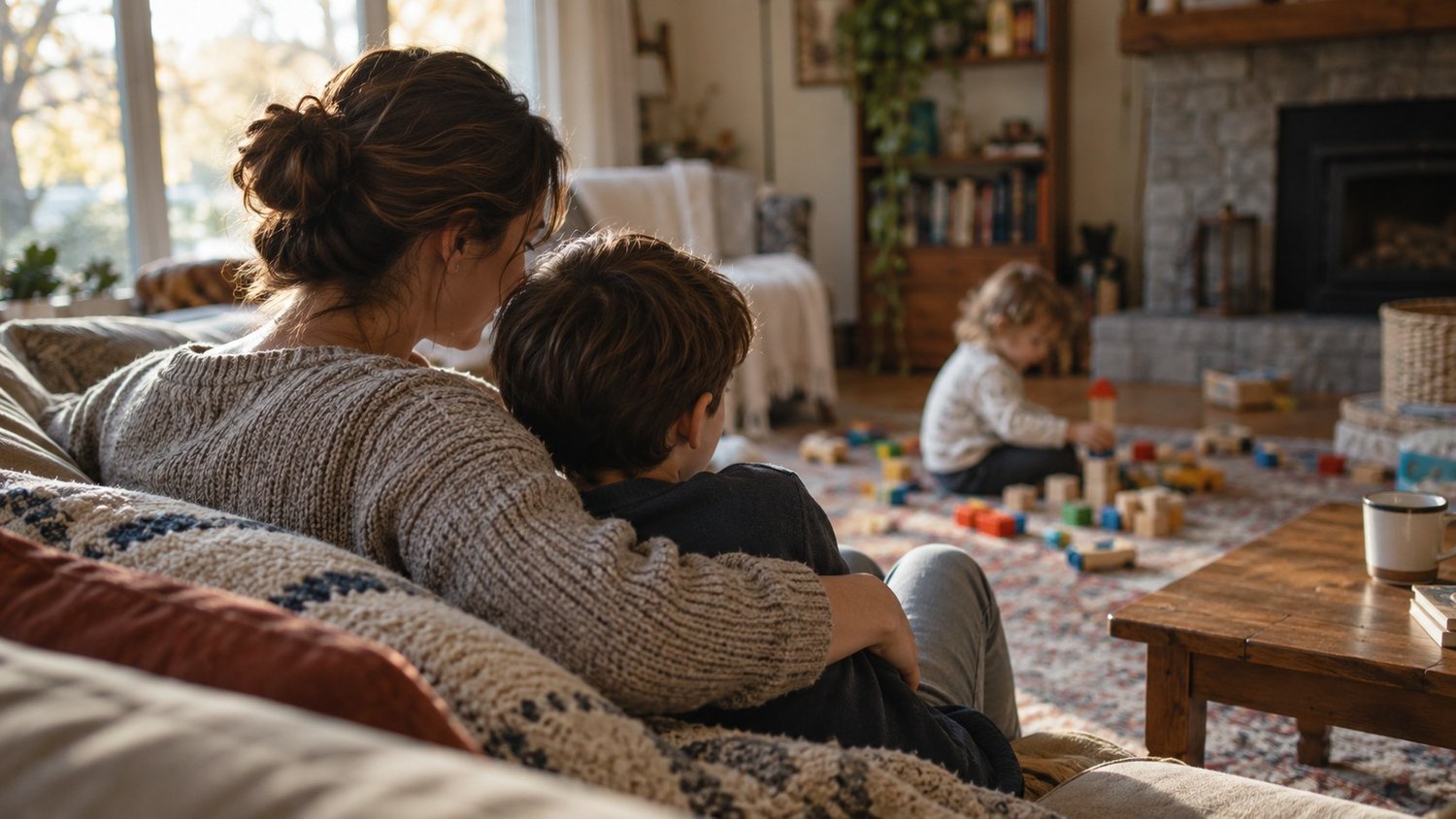
Siblings of autistic children often carry a mix of feelings that adults do not always see: deep love and pride, but also jealousy, embarrassment, guilt, and a quiet sense that their own needs come second. Some are described as "glass children," beca...
Read More
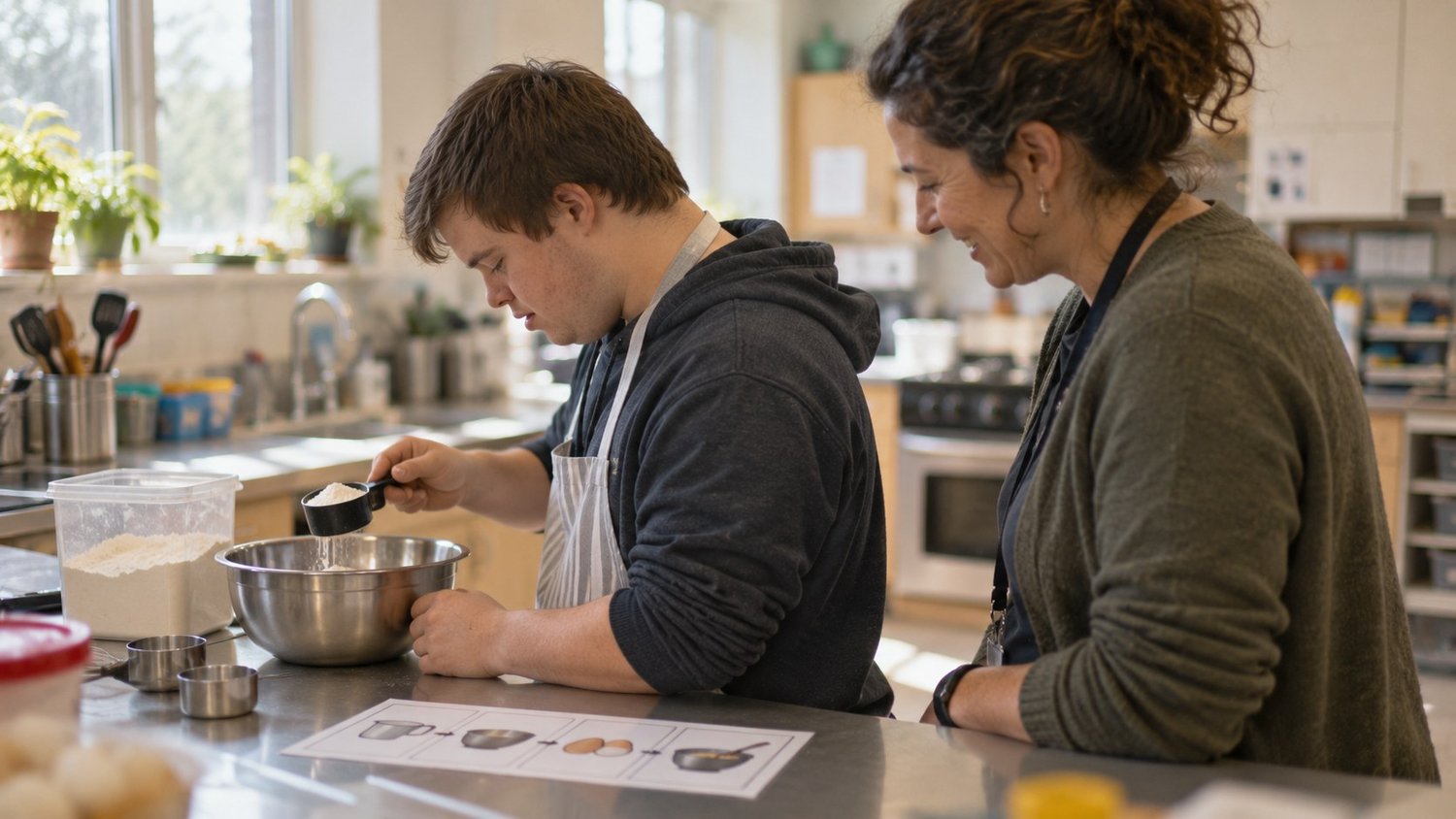
Independent living skills for special education students are the everyday abilities that let young people take care of themselves, their homes, their money, and their time as they move from school into adult life. Transition planning under IDEA begi...
Read More
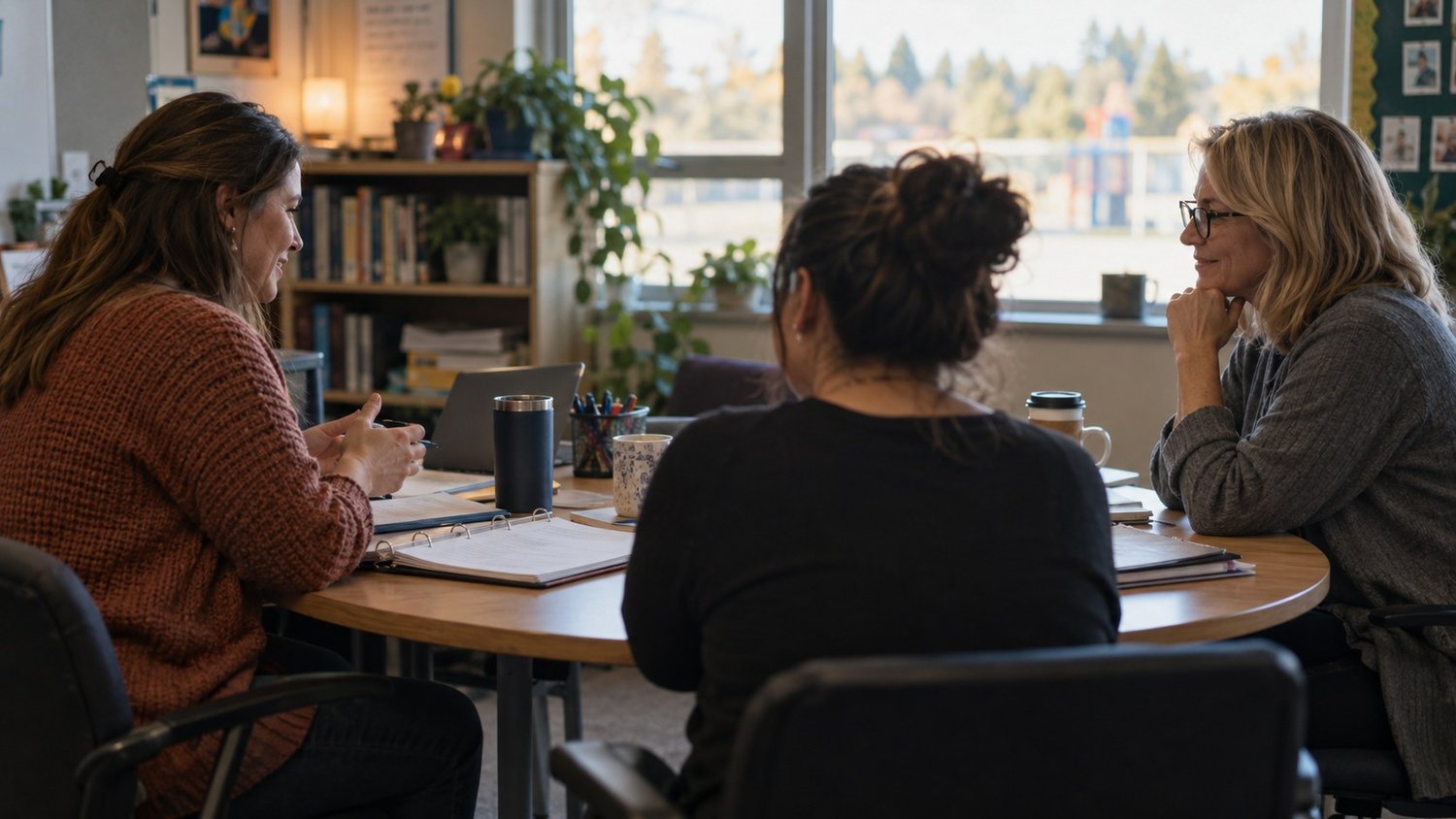
Accommodations vs. modifications in special education is one of the most important distinctions a teacher can understand, because it determines whether a student is learning the same content in a different way or learning different content altogethe...
Read More

A comprehensive school counseling program built on the ASCA National Model helps every student, not just those in crisis, grow academically, socially and emotionally, and in their readiness for college and careers. When counselors move from reacting...
Read More
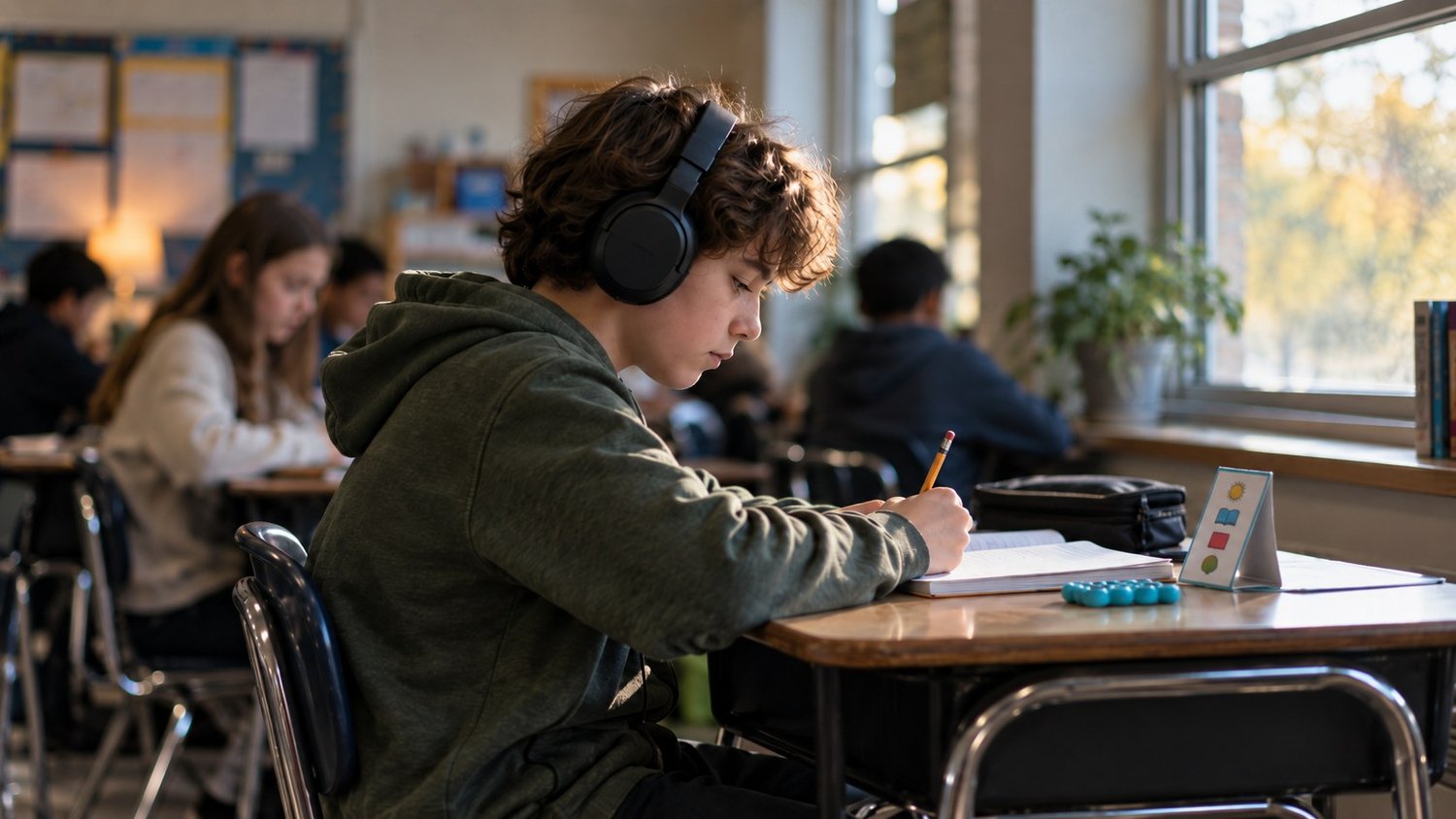
Supporting autistic students in the general education classroom starts with recognizing that students often described as "high-functioning" may look fine on the surface while working very hard to manage social demands, sensory input, and unwritten r...
Read More
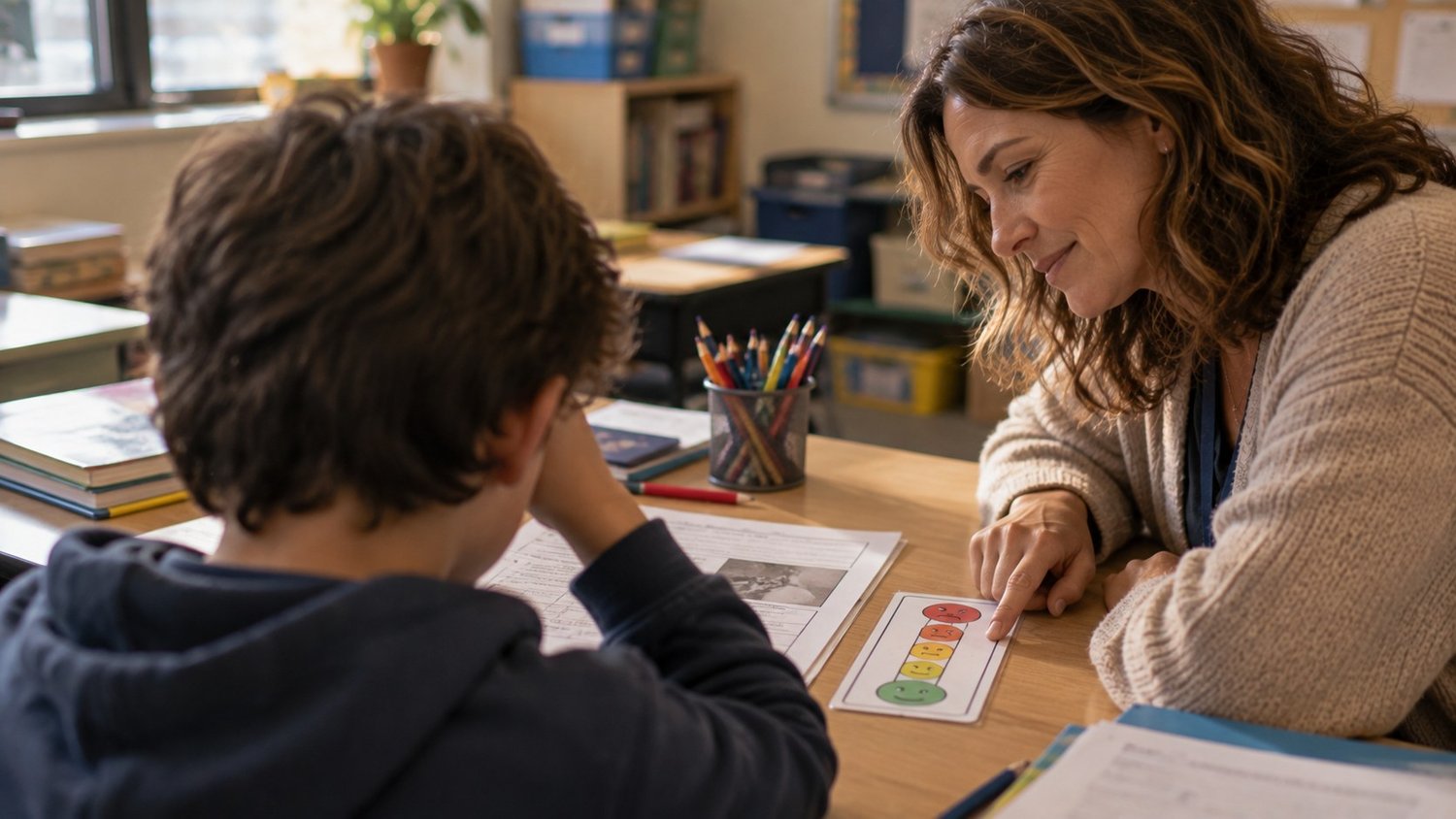
Emotional regulation for students with learning disabilities is often the missing piece in academic support. Students with dyslexia, dyscalculia, dysgraphia, and other specific learning disabilities (SLD) work twice as hard as their peers every day,...
Read More

Trauma-informed classroom strategies help teachers support students who carry invisible weight: experiences of abuse, neglect, loss, violence, or chronic stress that shape how they learn and behave. You do not need to know a student's history to mak...
Read More
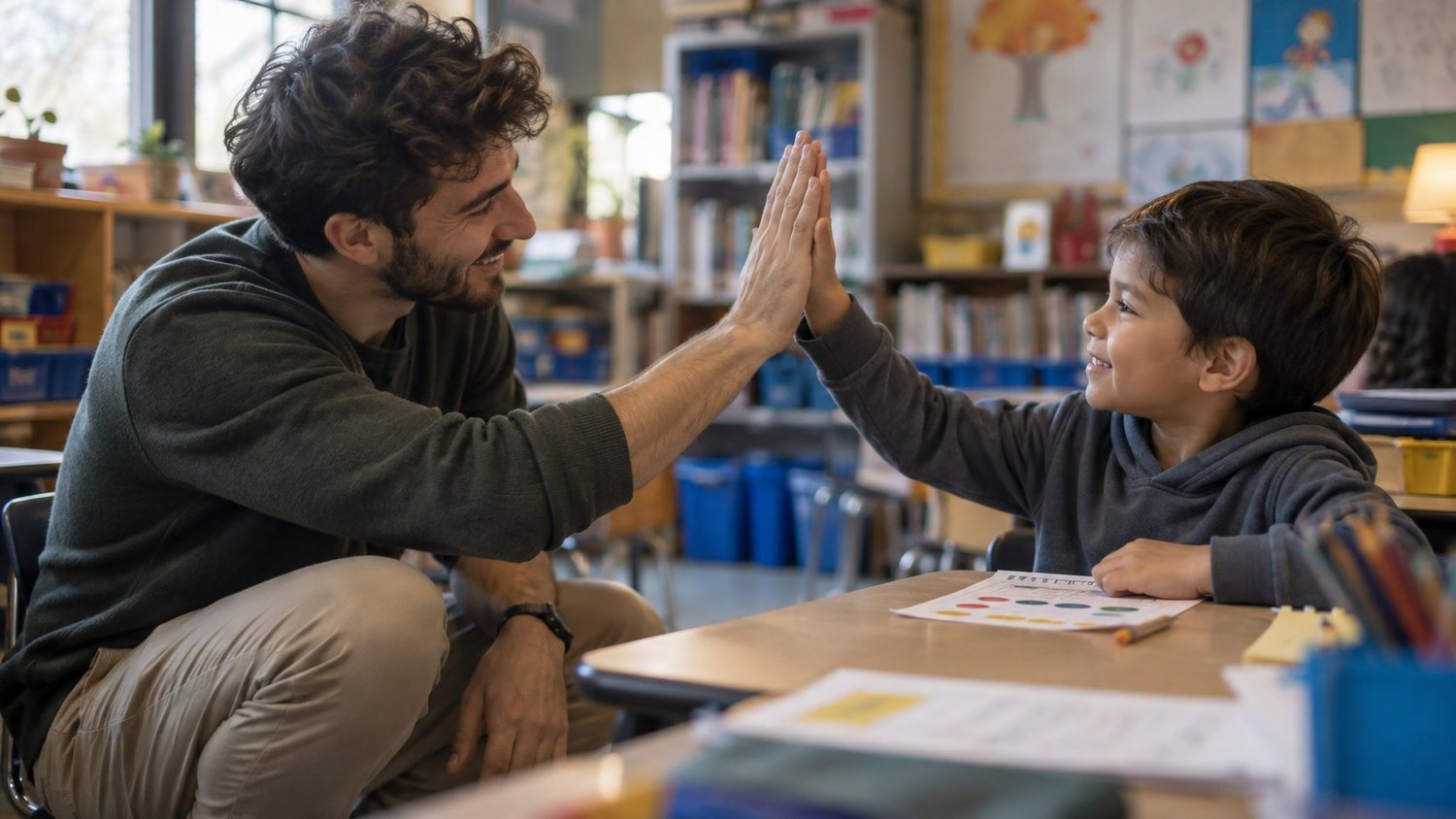
Positive reinforcement in the classroom works best when the reward actually matters to the student receiving it. A sticker chart that motivates one child can mean nothing to the next, which is why so many reinforcement systems start strong and fade ...
Read More

Co-regulation strategies for teachers start with a simple truth: students borrow their calm from the adults around them. When a child is dysregulated, your nervous system becomes their anchor, but that is hard to offer on a day when you feel overwhe...
Read More
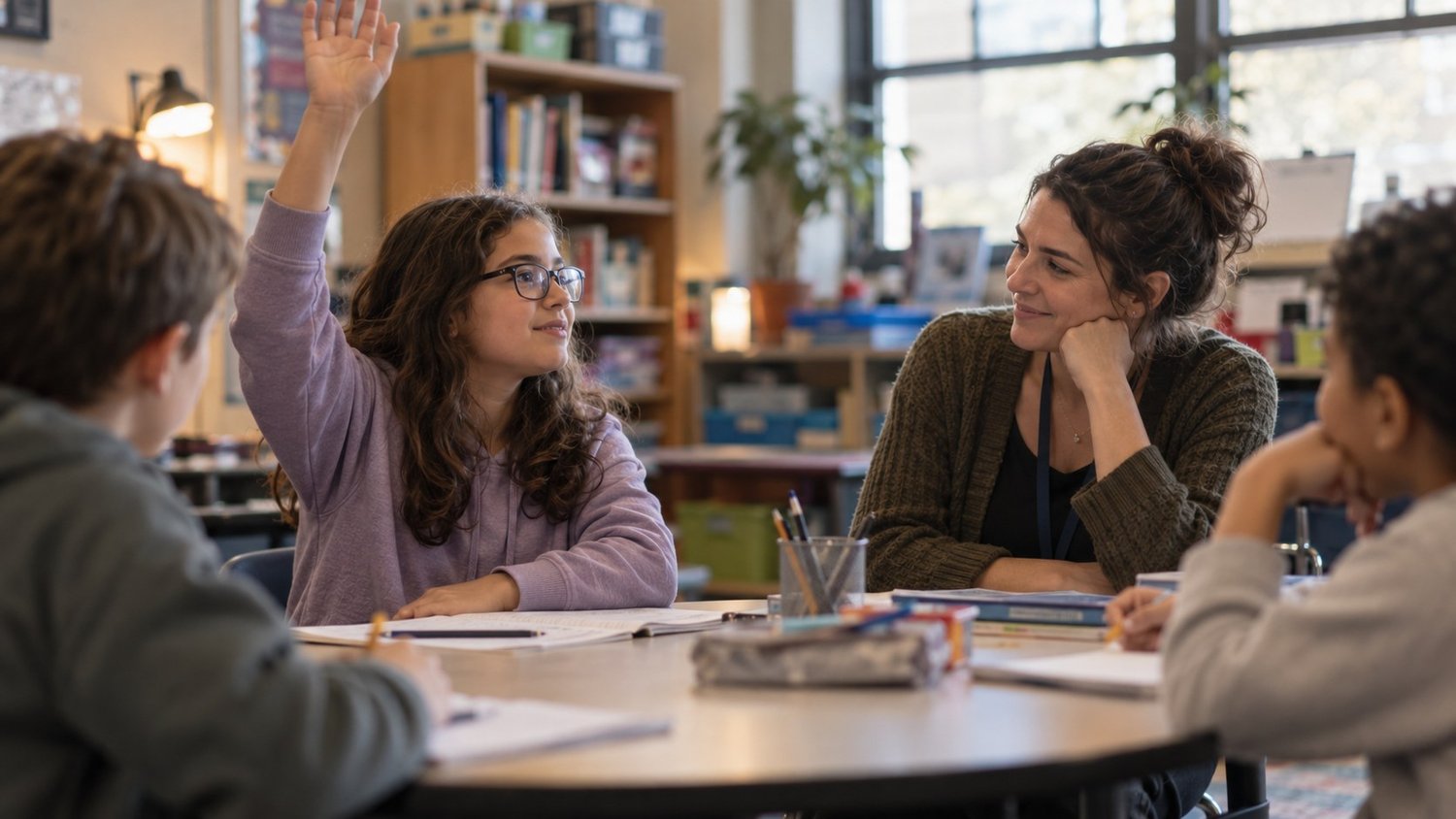
Self-advocacy skills for students with disabilities are the abilities to understand their own strengths and needs, communicate them, and ask for the support they are entitled to. These skills matter in the classroom today and become essential after ...
Read More
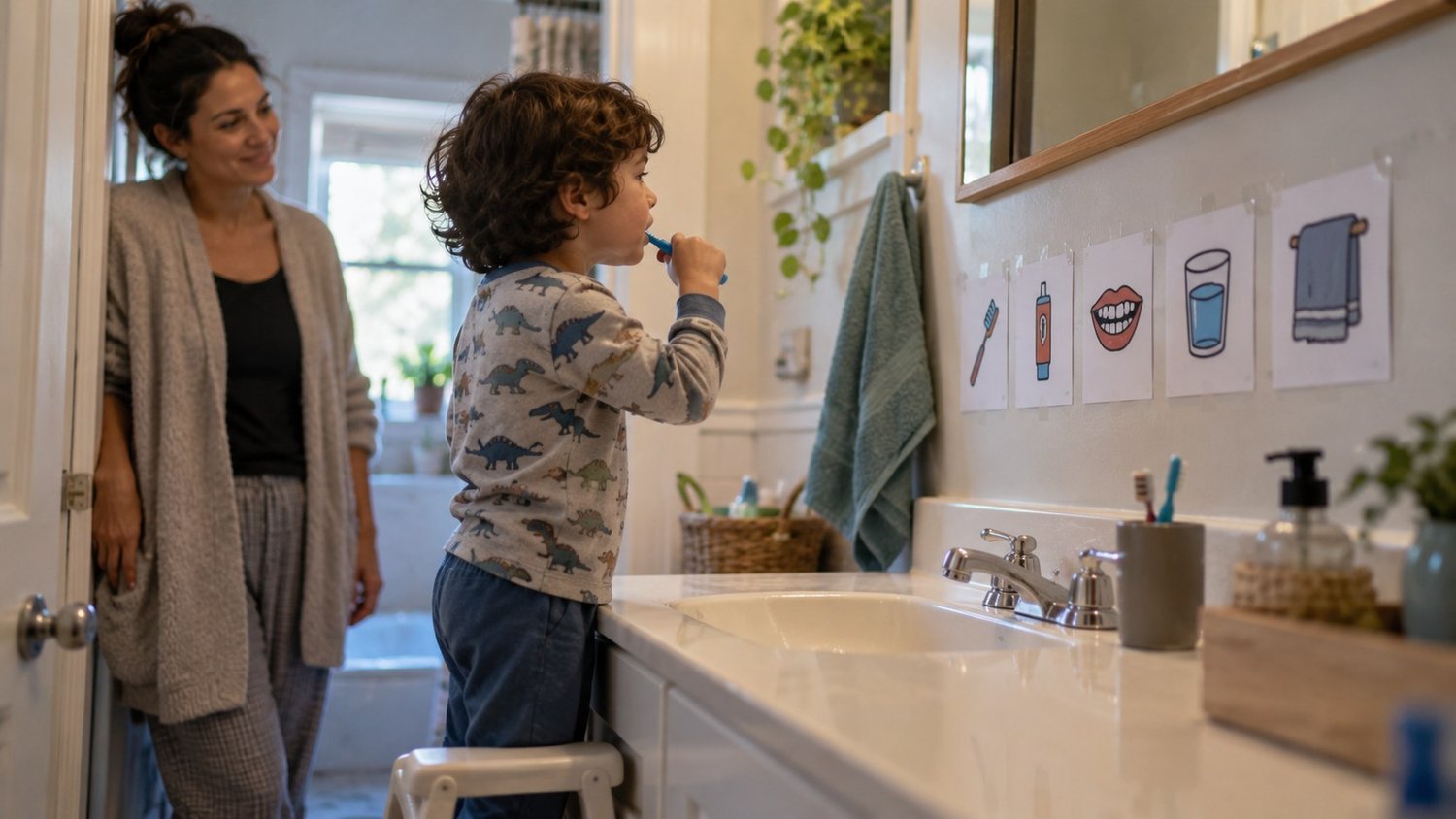
Visual routine cards for kids break everyday tasks, like getting dressed, brushing teeth, or packing a backpack, into simple picture steps a child can follow on their own. For many young learners, and especially for autistic children and kids with A...
Read More
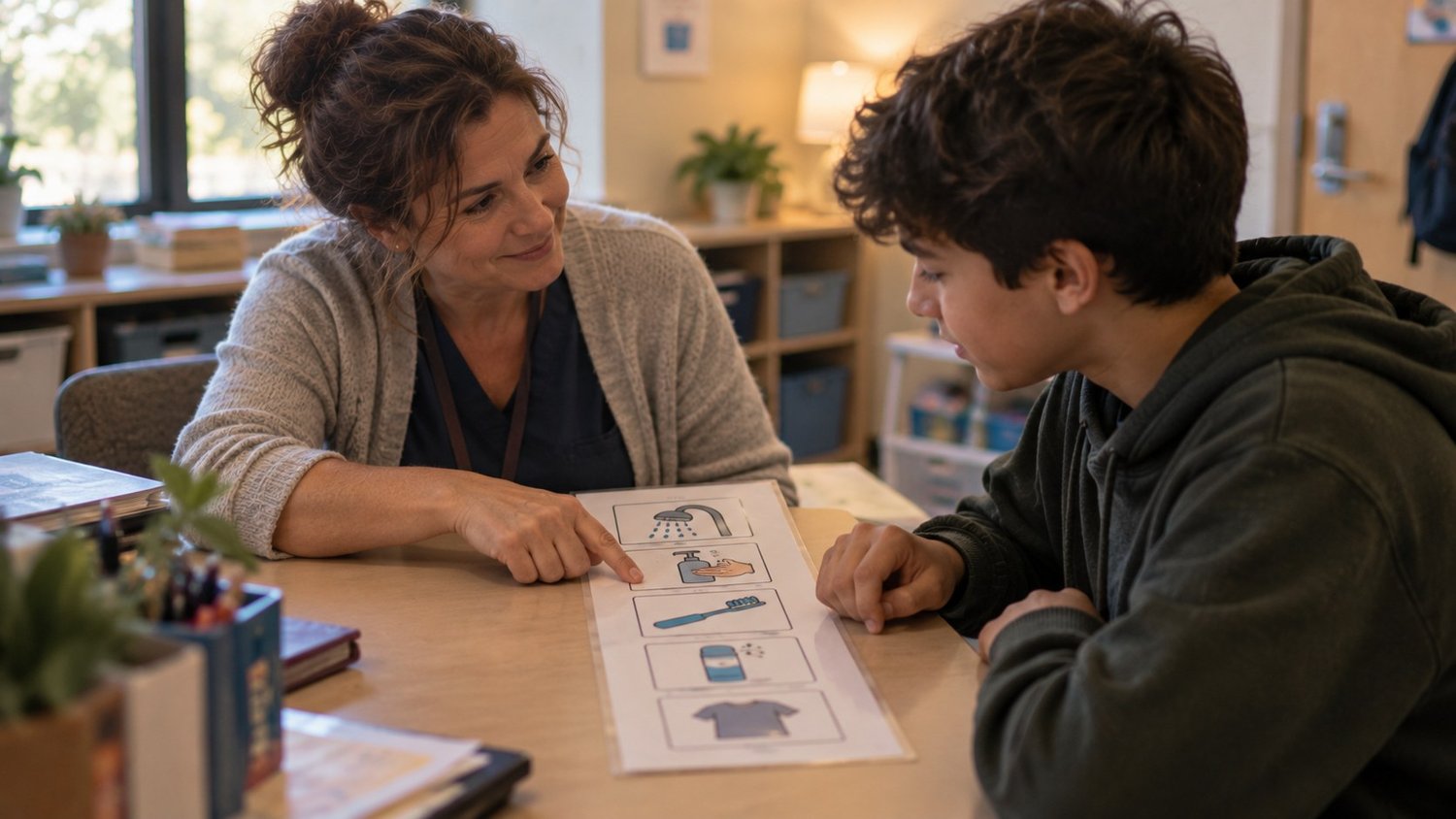
Toileting and hygiene for older autistic students can be one of the hardest topics to talk about at school and at home, especially as young people grow, want more privacy, and go through puberty. With the right approach, these routines can be taught...
Read More
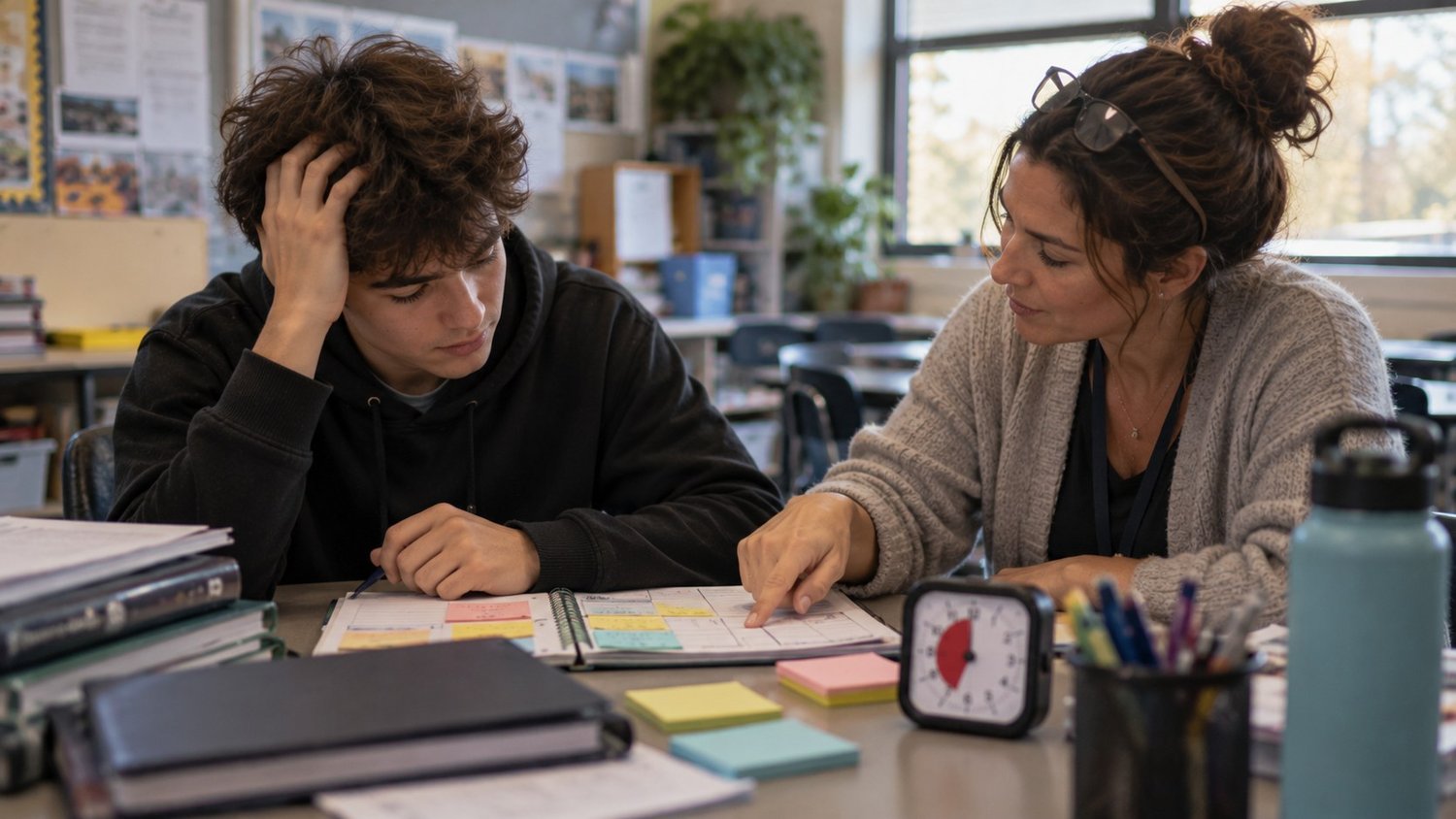
An executive functioning checklist for students turns vague concerns like "he's so disorganized" or "she never finishes anything" into a clear picture of which specific skills need support. Executive functioning covers a lot of ground, so a structur...
Read More
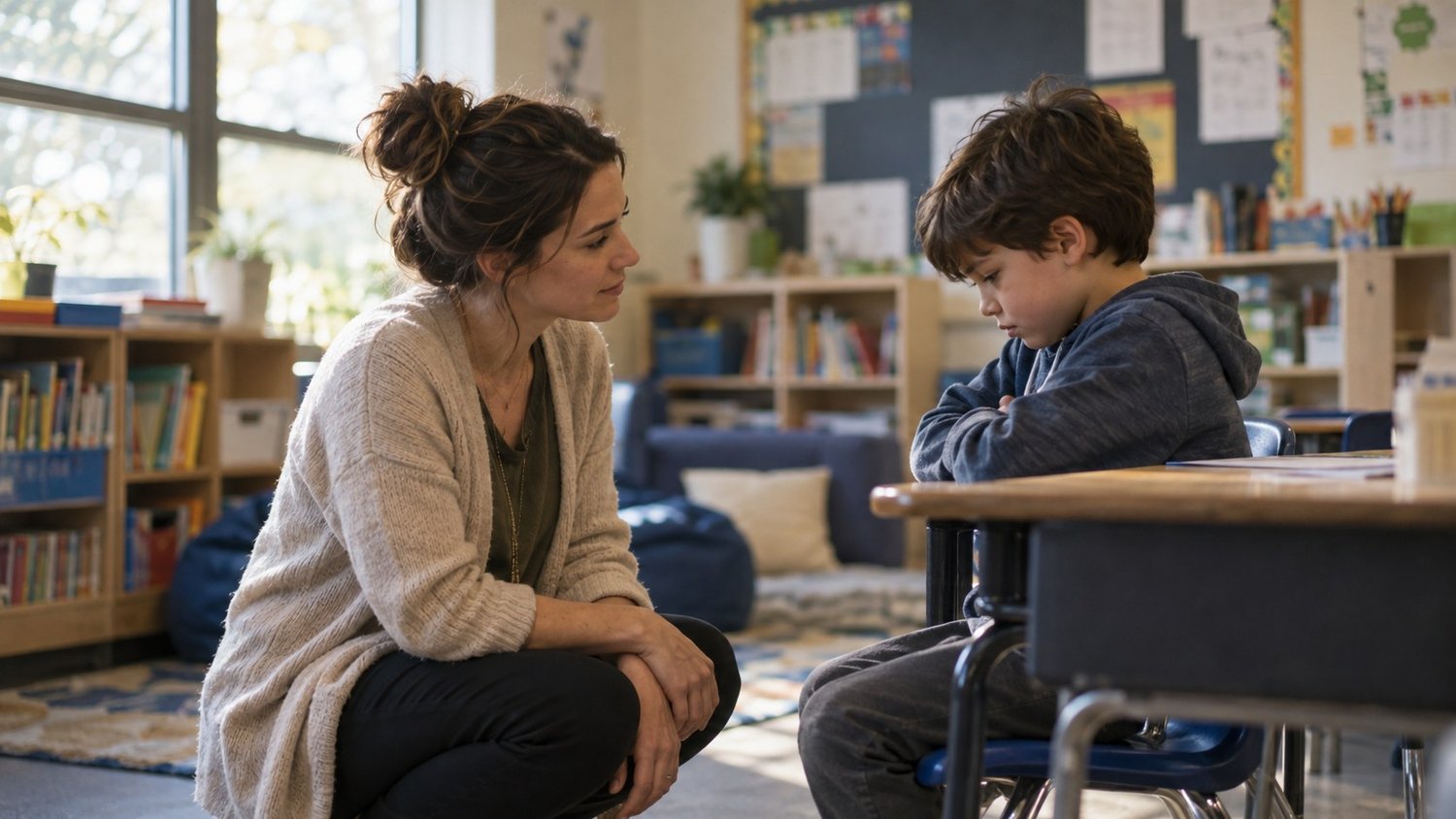
De-escalation strategies for students work best when you know exactly what to say. A student's voice gets louder. Their shoulders tense. A pencil hits the floor. In the next thirty seconds, what you say will either lower the temperature or turn a ha...
Read More