
A student can complete a reflection page without knowing what to try next. “Today was good” and “I will do better tomorrow” fill the boxes, but they do not explain which strategy helped or how a difficult task could become more manageable. A useful ...
Read More


A parent-teacher communication log is most useful when it helps someone understand what was discussed and what needs to happen next. A date and a checkmark can show that contact was attempted. They cannot explain a family's perspective, preserve an ...
Read More

An IEP meeting agenda should help people follow the conversation and contribute to it. If it only helps staff move through paperwork, a meeting can feel organized while important questions remain unheard. Good preparation gives the team a shared pur...
Read More

“Making good progress” sounds encouraging. It still leaves a family wondering what their child can do, how much help was needed, and how the result compares with the goal. A useful IEP goal progress note answers those questions in plain language, us...
Read More
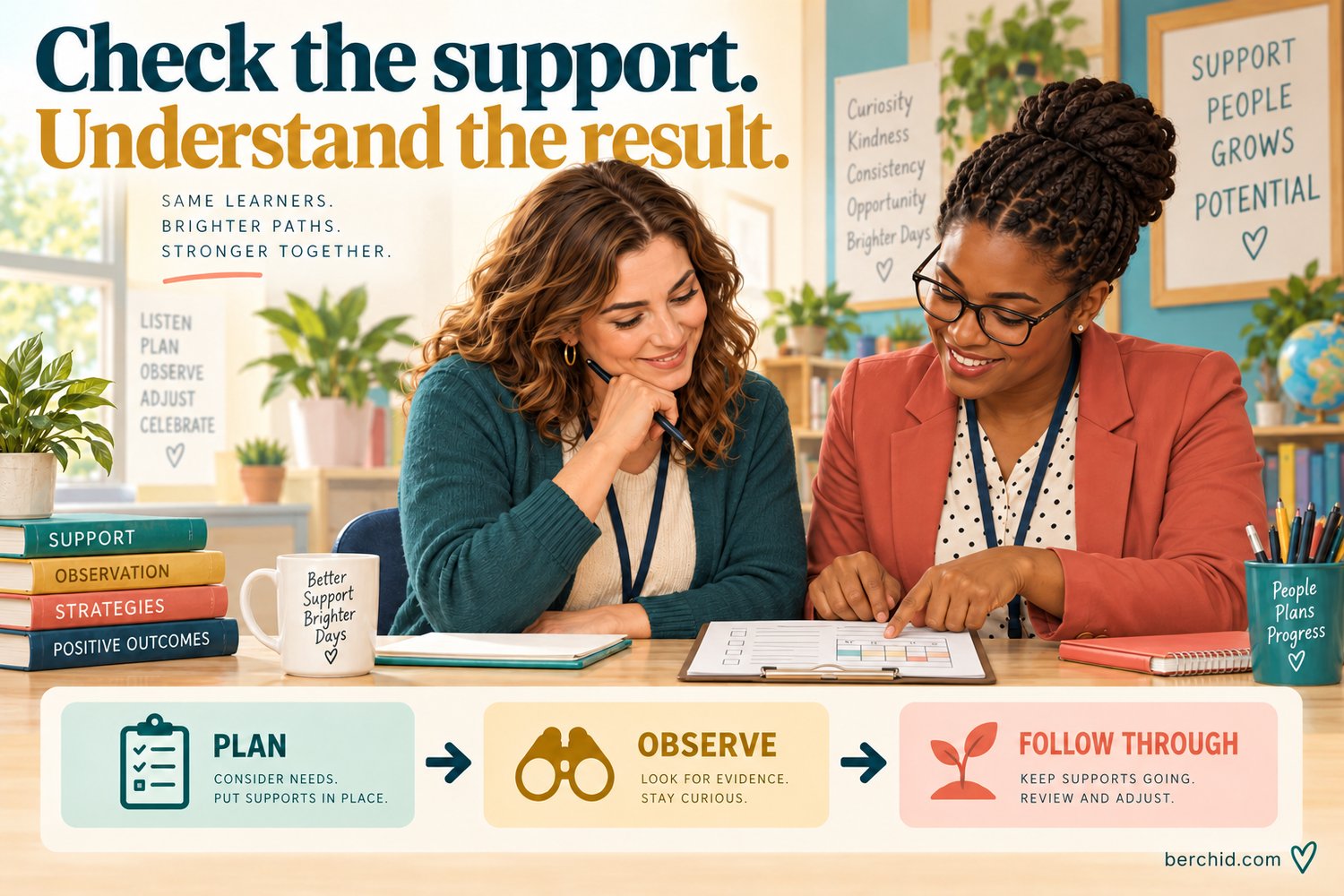
Implementation fidelity asks whether a behavior intervention plan is being carried out as intended. It is a different question from whether a student's behavior is changing. A useful review records the support adults provided, the opportunities they...
Read More
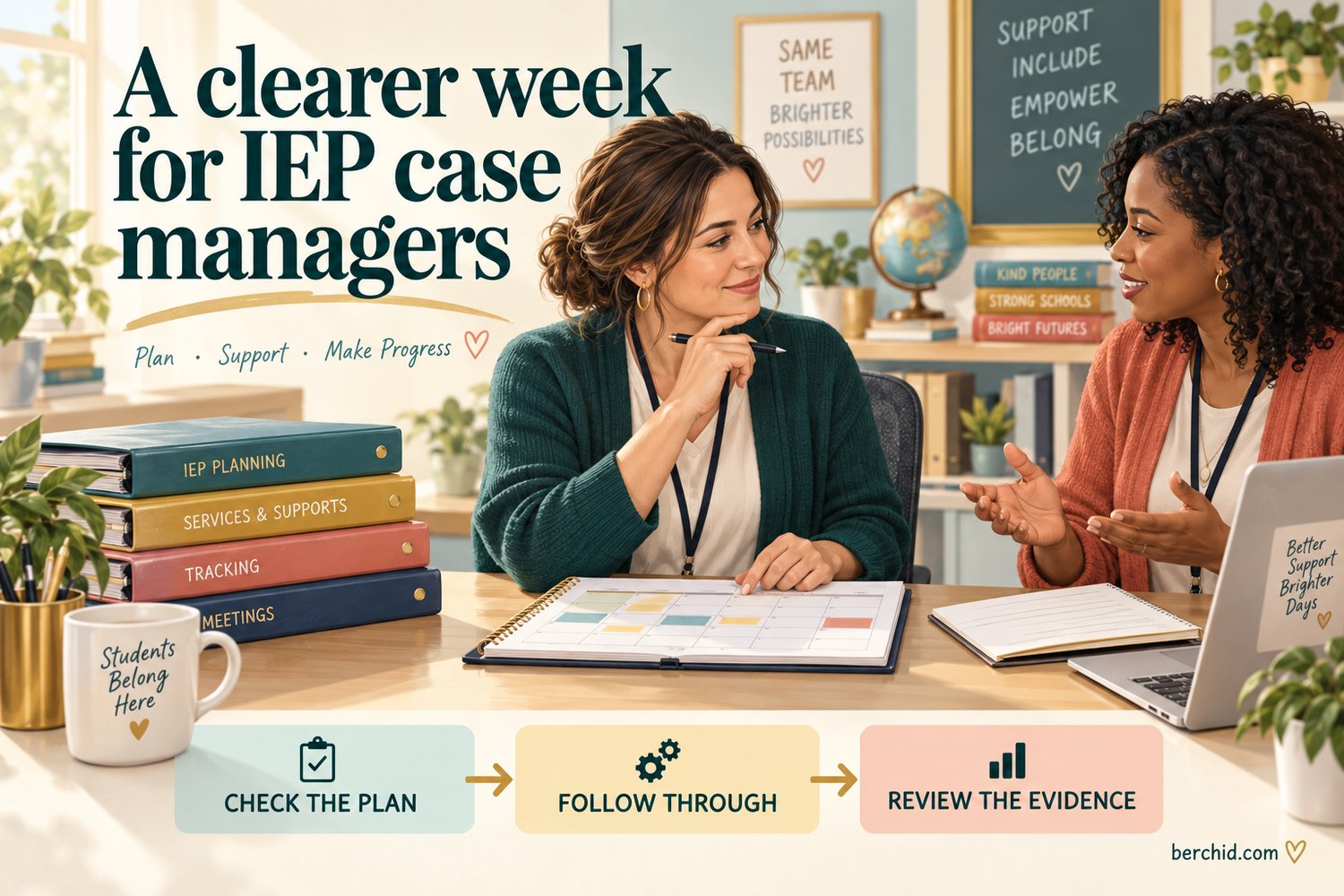
A useful IEP case manager routine connects the current plan, classroom implementation, progress information, and team follow-up. Start with the responsibilities and dates already established by your school and each student's IEP. Then use a repeatab...
Read More
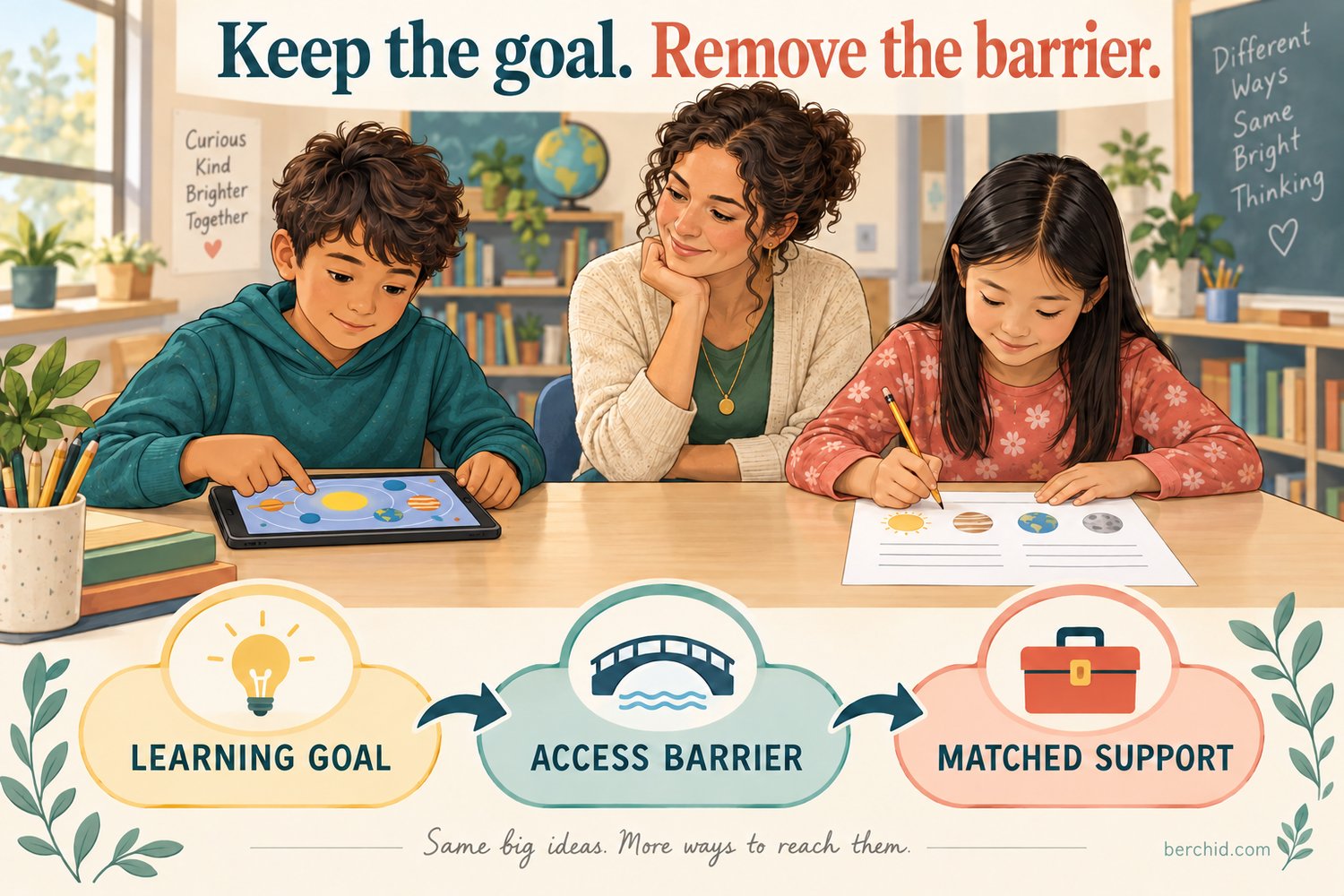
Choosing classroom accommodations starts with the learning goal and the barrier a student encounters. Match the support to that barrier, teach the student how to use it, and record both implementation and learning. This guide gives teachers a practi...
Read More
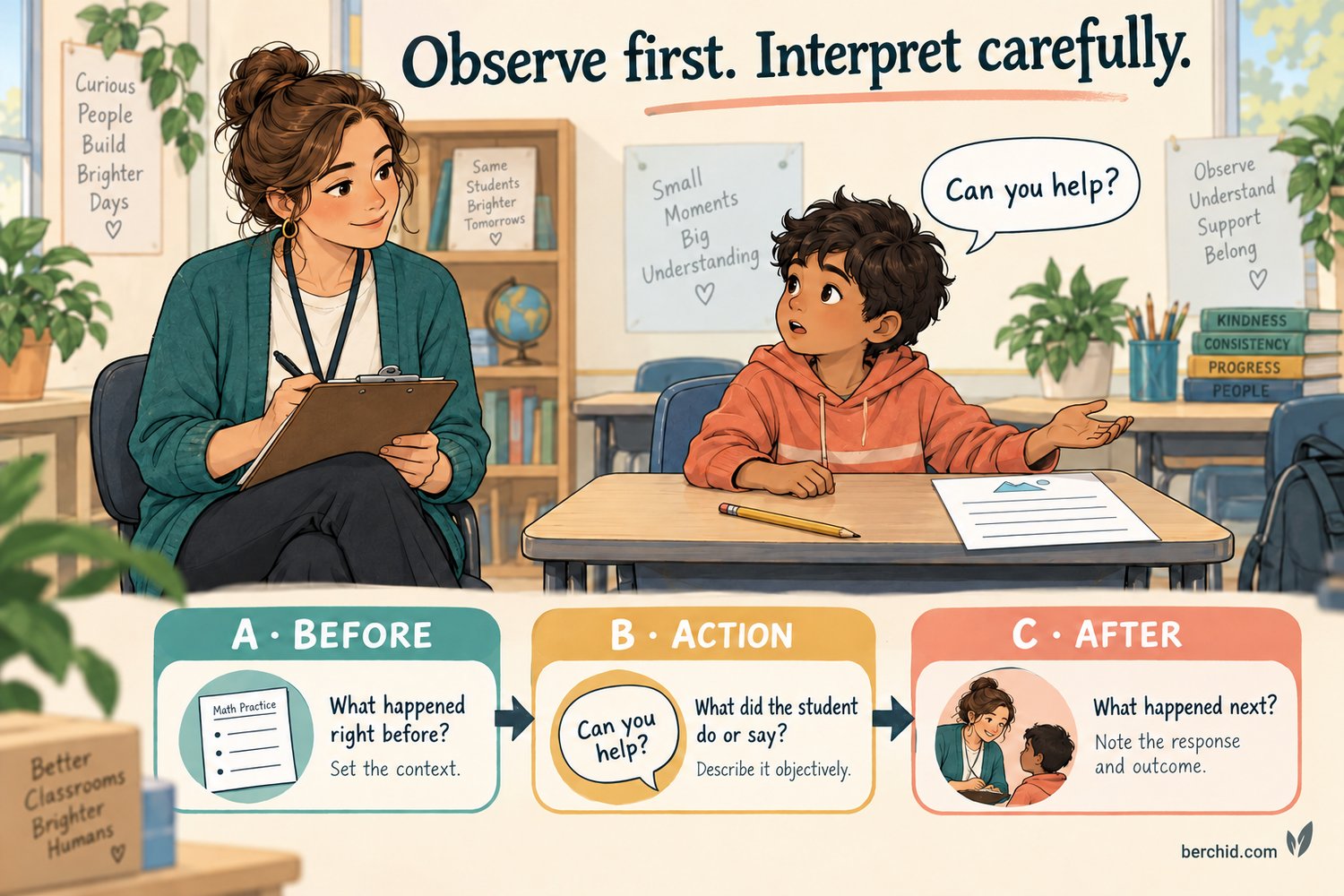
ABC behavior data collection records what happened before an action, what the student did, and what happened afterward. Useful classroom notes describe observable events, preserve the sequence, and keep explanations separate from evidence. This guid...
Read More

ADHD task initiation strategies help students move from knowing what to do to taking the first step. Start by checking that the work is understood, making the first action visible, and offering brief support that you can gradually reduce. This guide...
Read More

Autism masking in the classroom is easy to miss because it is designed to be invisible: the student who hides their differences often looks like the calmest, most compliant child in the room. Behind that calm, many autistic students are spending eno...
Read More

ARFID and autism mealtime strategies work best when they start from one simple idea: a child who refuses food is usually not being stubborn, but anxious, overwhelmed, or protecting themselves from a sensory experience that feels unbearable. For many...
Read More
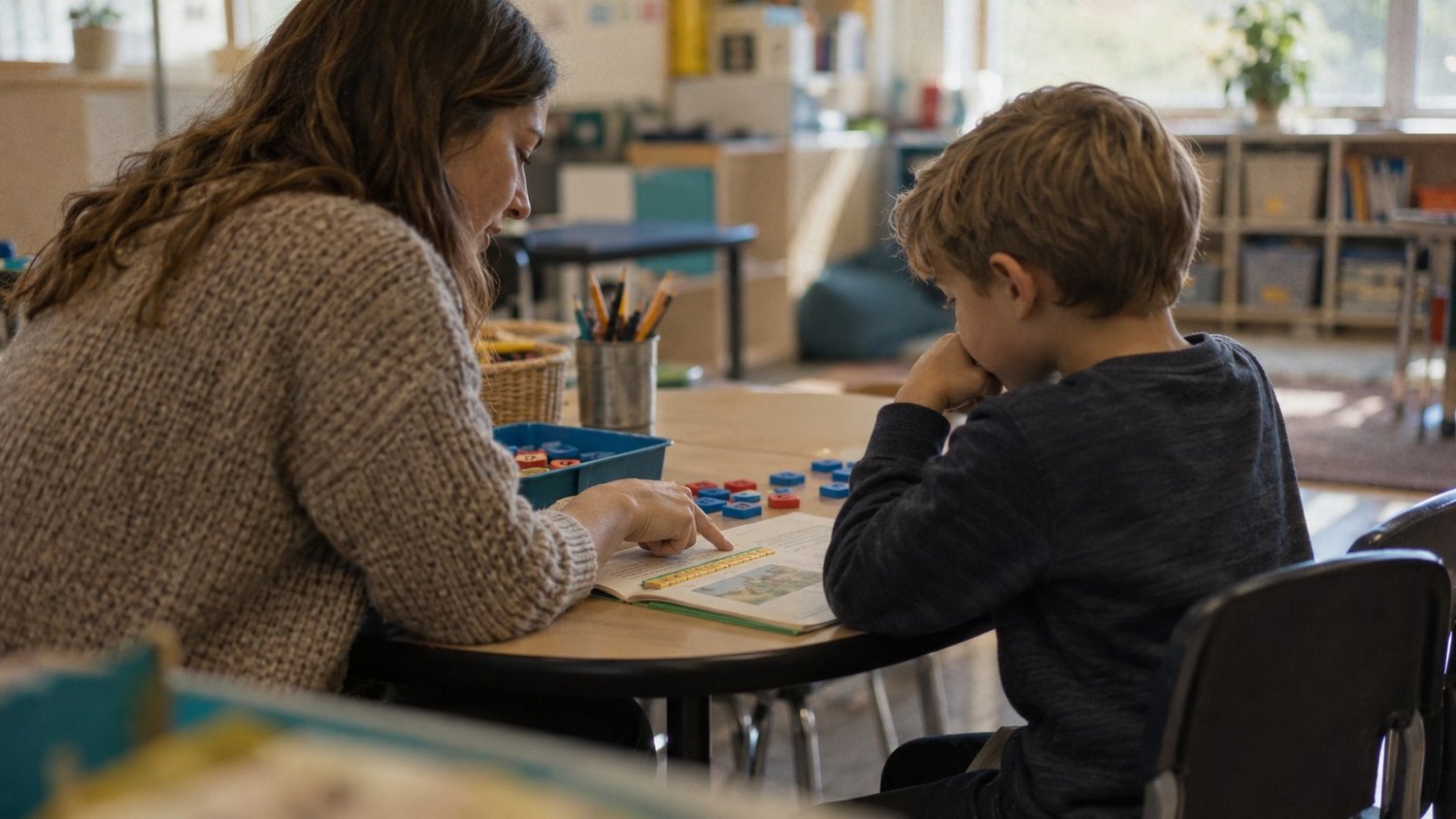
Dyslexia accommodations in the classroom give students with dyslexia fair access to learning while they build reading skills through structured literacy instruction. Dyslexia is a common, brain-based difference in how people process the sounds and s...
Read More
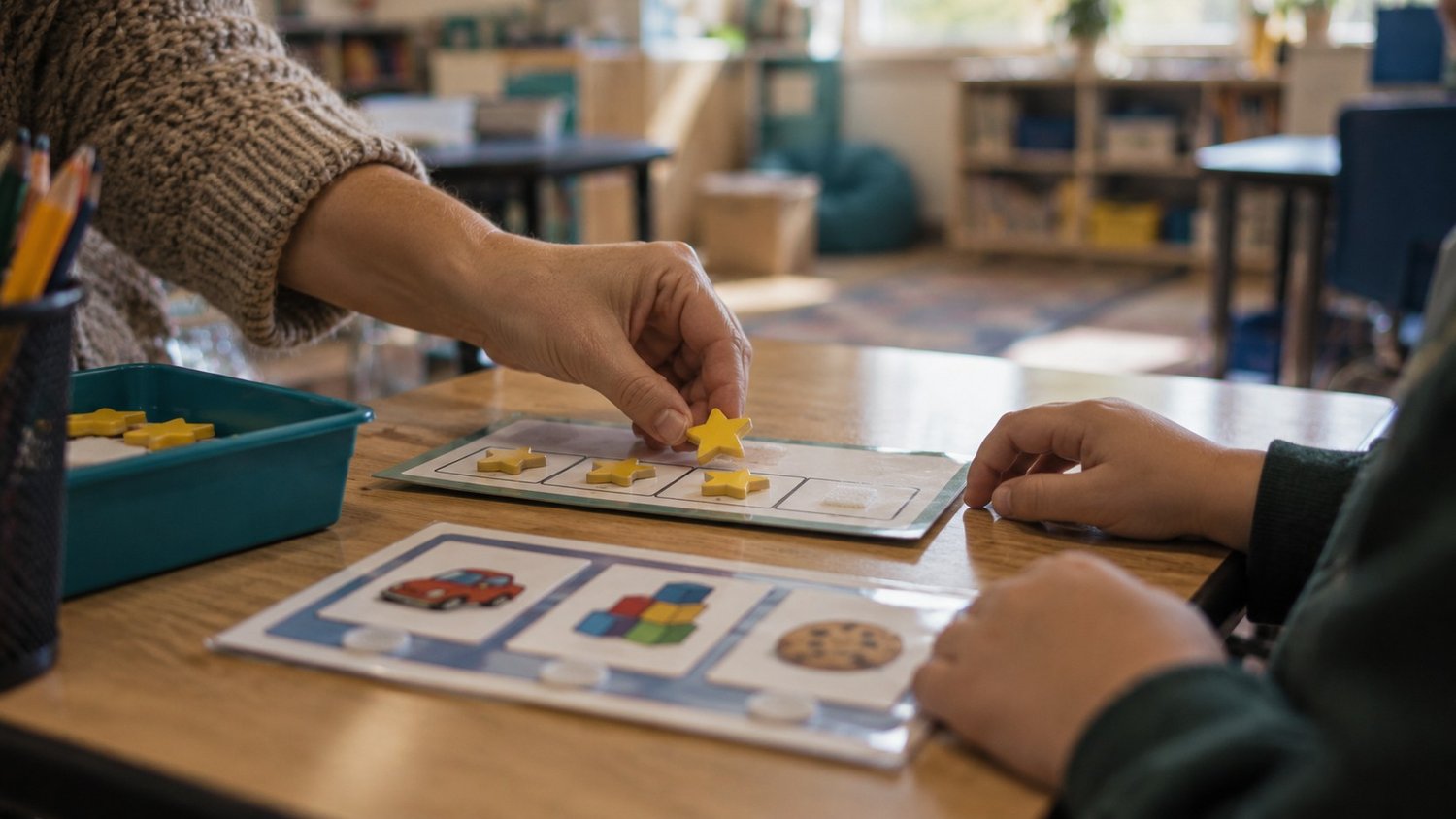
A token economy in the classroom is an ABA-based reinforcement system in which students earn small tokens, such as stars, stickers, or points, for target behaviors and later exchange them for something meaningful. Done well, token boards and behavio...
Read More

SEL short stories for kids are one of the simplest and most effective ways to teach social emotional skills, because children learn about feelings, kindness, and problem solving best through characters they can relate to. A three-minute story about ...
Read More

A low-demand classroom setup reduces unnecessary pressure on students' nervous systems so that they can feel safe enough to learn, and it starts long before any lesson begins: with the room, the routines, and the way adults communicate. Low-demand d...
Read More