

An individual learning plan is useful when someone can read it and understand what the student is learning, how it will be taught and what evidence will guide the next decision. A form filled with “improve maths,” “extra help” and “ongoing” may look...
Read More


School Occupational Therapy Collaboration: Describe Classroom Participation Before Asking for Advice
When a student finds a classroom activity difficult, “needs OT” is often the first note adults write. It is also an incomplete question. Which activity matters to the student? What happens during it? What can the student already do, and what makes p...
Read More

Student support services can look well organized on a caseload chart while important classroom questions remain unanswered. A row may show speech therapy, occupational therapy or behavior support without telling a teacher what to do during tomorrow'...
Read More
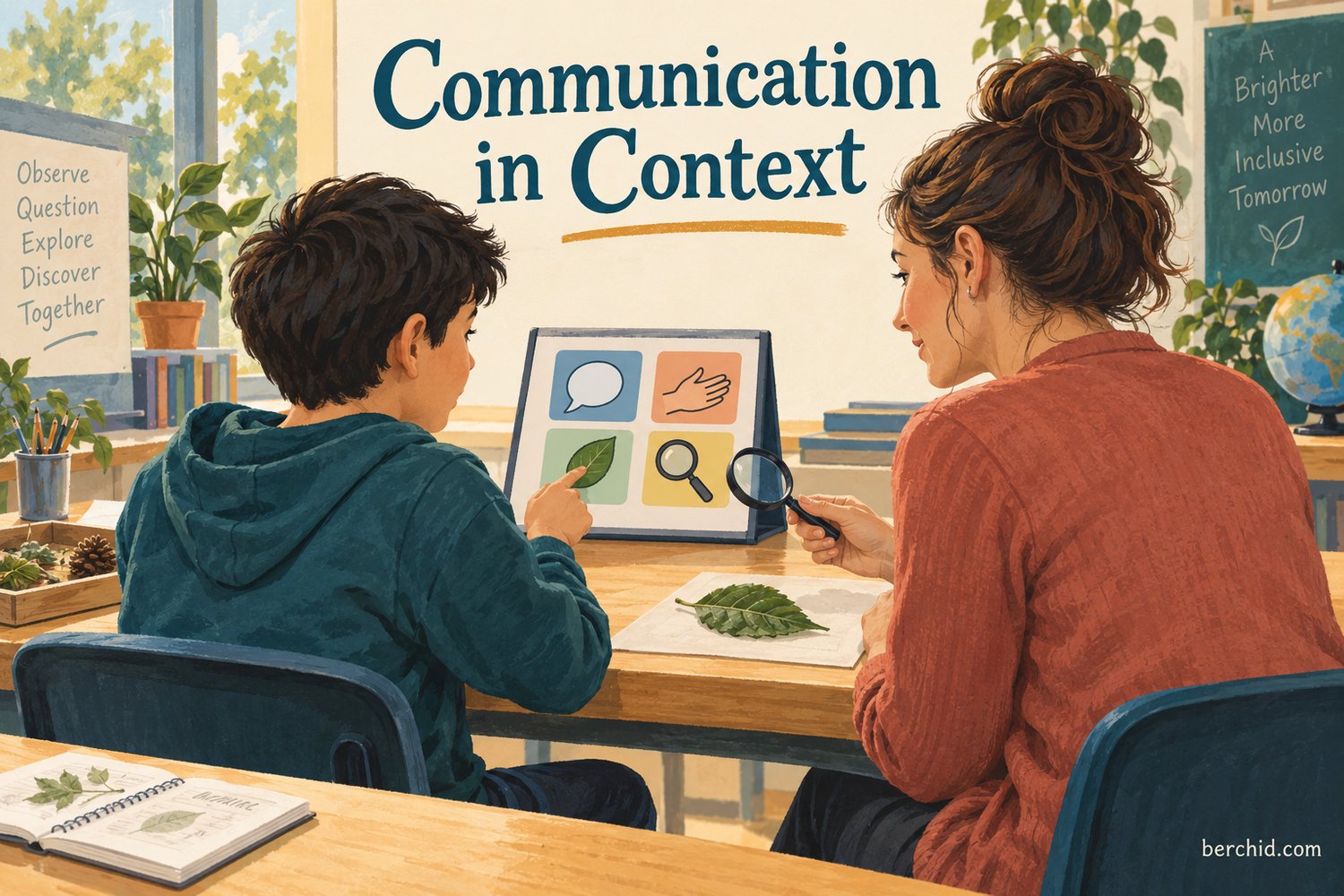
A communication progress sheet can show a rising percentage while leaving an important question unanswered: did the student use the skill to communicate something meaningful with another person? A sound, word, symbol or message needs context if the ...
Read More
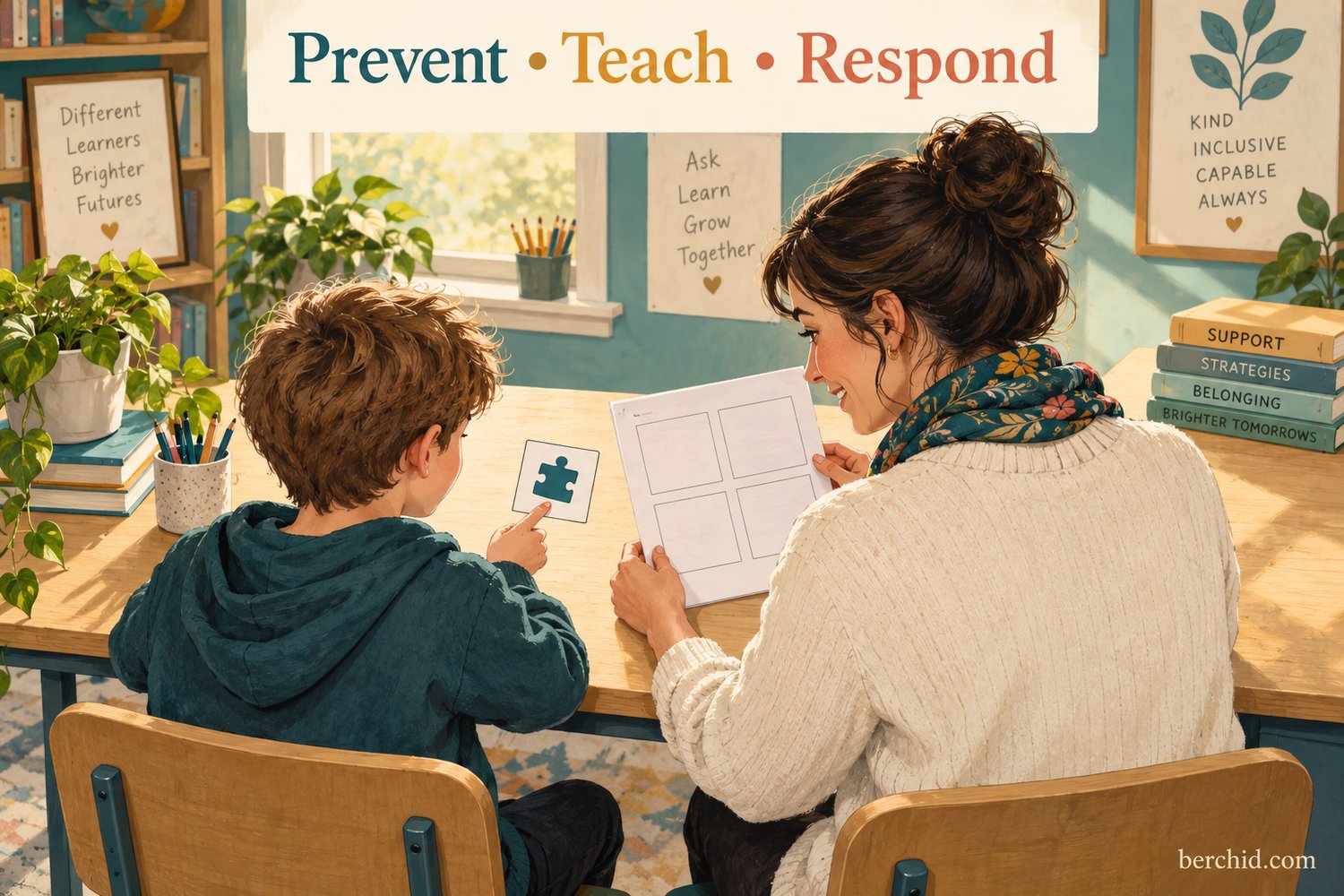
A behavior intervention plan is useful when the people supporting a student can explain what they will change, what they will teach, and how they will respond. A list of rewards or a direction to “make better choices” leaves too much of that work un...
Read More

A student can complete every box on a planning sheet and still be unsure how to do the assignment. Another student may produce a thoughtful answer while needing help to organize materials or estimate time. Useful task planning connects the steps to ...
Read More

Teacher weekly planning works best when the list tells you what to do next and why it matters for the classroom. “Prepare science” is a reminder, but it leaves the resource, access checks and timing undecided. “Check the shared investigation, adapt ...
Read More

A weekly student achievement review is useful when a learner can explain what changed and what to try next. A row of faces or checkmarks may help begin that conversation, but the marks alone cannot show which skill improved, how much support was use...
Read More

A student strengths and needs profile should help the next teacher make a useful decision. A list such as “creative, friendly, struggles with writing” offers a first impression, but it does not explain what the learner can do, which classroom condit...
Read More

“80% accuracy” is incomplete unless the reader knows what counted, how many opportunities were recorded, and what support was available. Four correct responses out of five and sixteen out of twenty both produce 80%, but they describe different sampl...
Read More

“Students were engaged” may sound encouraging, but it gives a teacher little information about what to keep doing. “Improve questioning” is equally incomplete unless the teacher knows which exchange you observed, what learning question it raises, an...
Read More

A classroom communication plan should explain how a student can participate when the activity is actually happening. “Use AAC during group work” leaves several questions unanswered: where is the system, what can the student express, what will partne...
Read More

An adapted lesson should make its teaching decisions visible. A different worksheet may be easier to complete without giving the student a useful opportunity to learn the intended concept. Start with the objective, decide what access and instruction...
Read More

A strengths-based observation is useful when it changes what you offer a learner. “Creative,” “kind,” and “good with pictures” can sound positive while leaving the next teacher unsure what to do. A clearer observation describes what the student did,...
Read More

A writing conference can sound productive while leaving the student unsure what to change. “Add more detail” is feedback, but it does not explain which detail the reader needs, where to put it, or how to begin. A useful conference connects a specifi...
Read More