
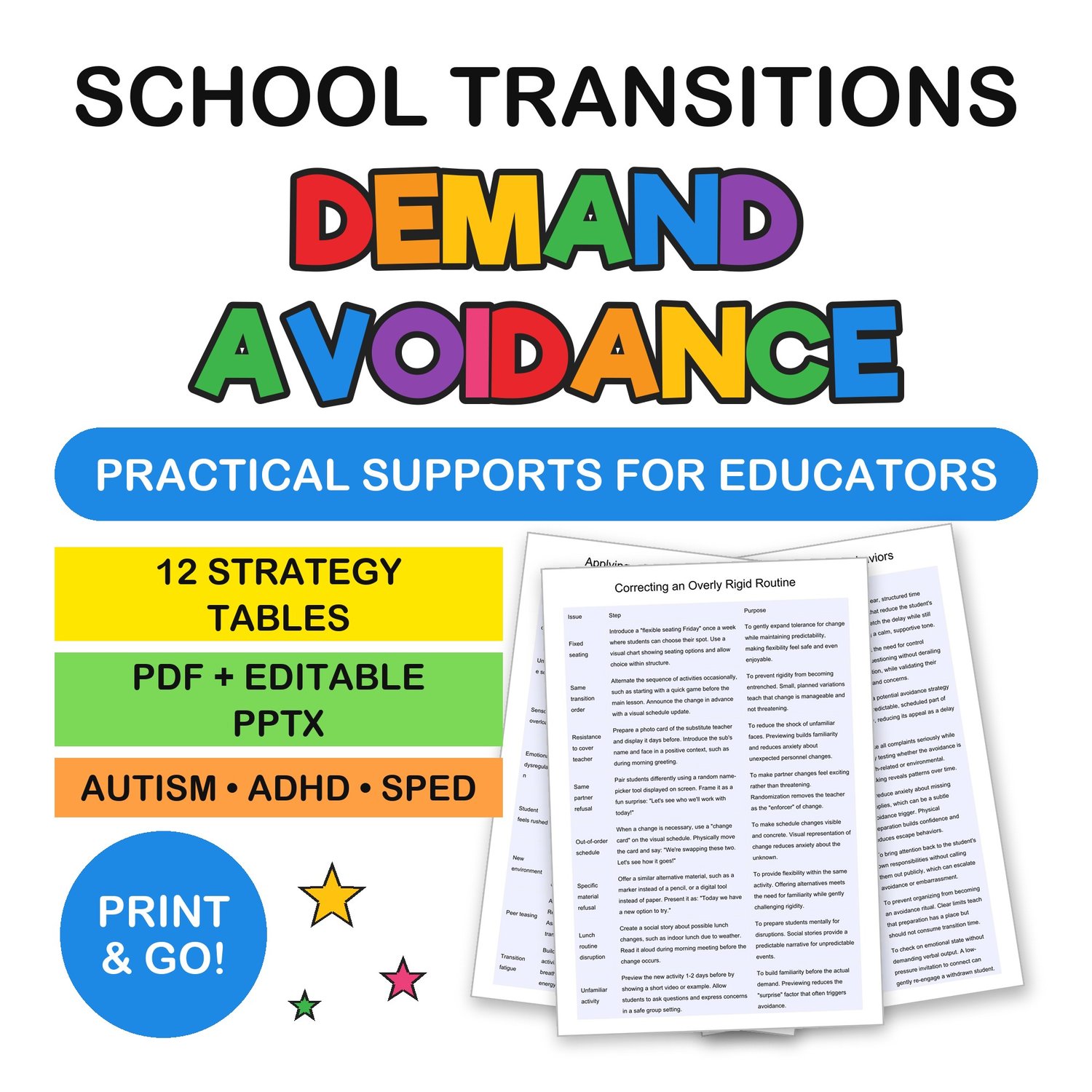

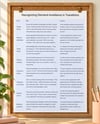
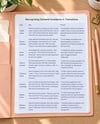
Demand Avoidance During School Transitions | Practical Supports for Educators
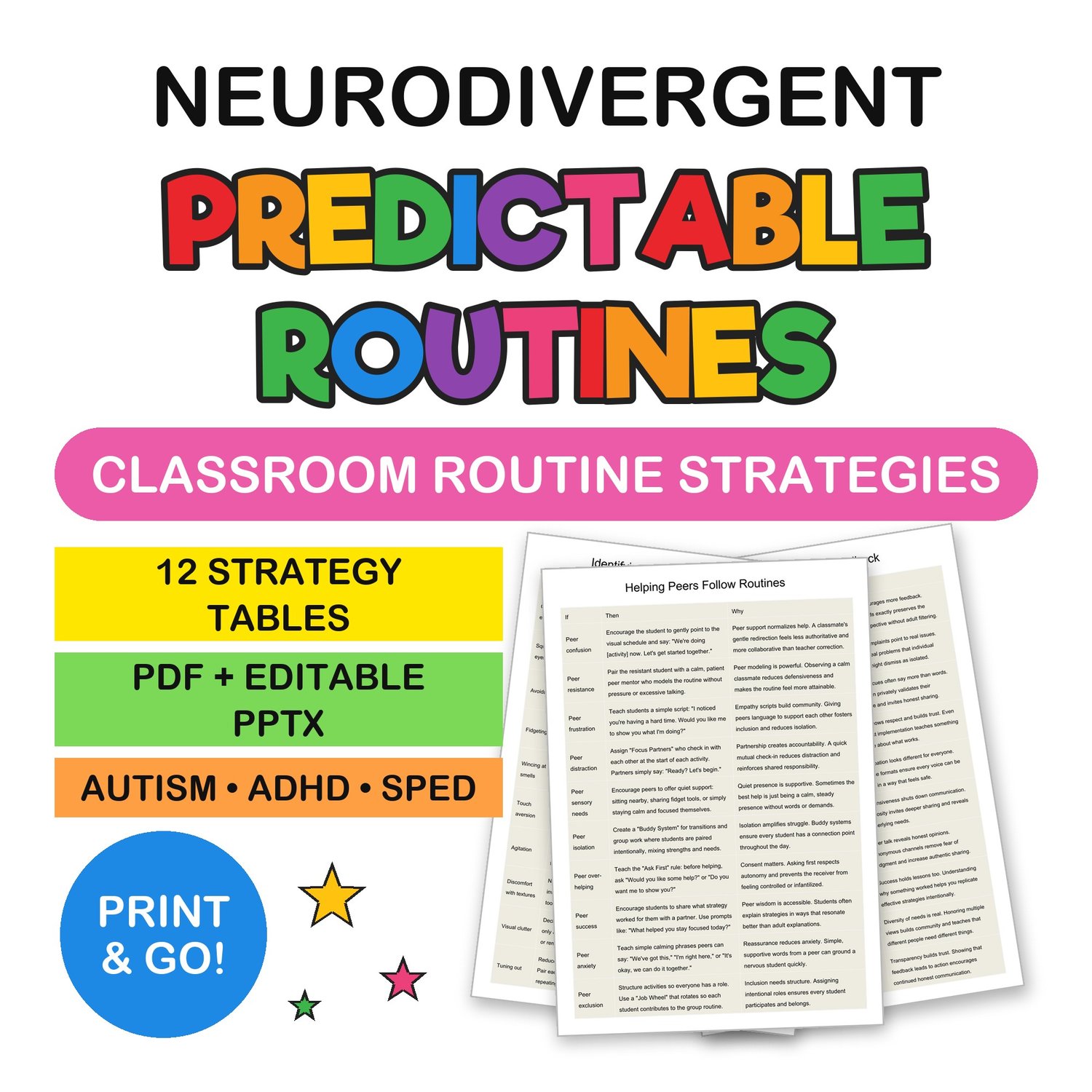
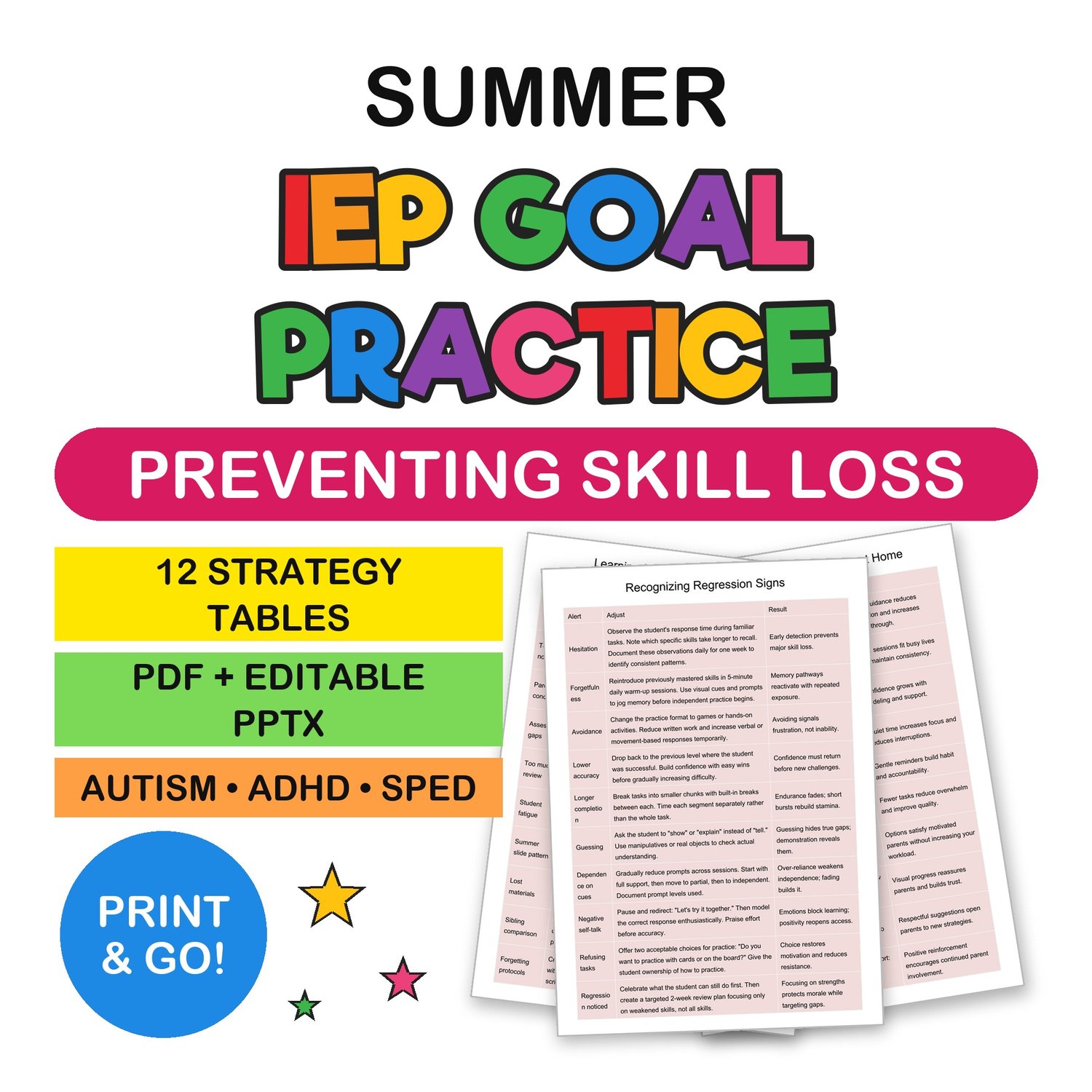
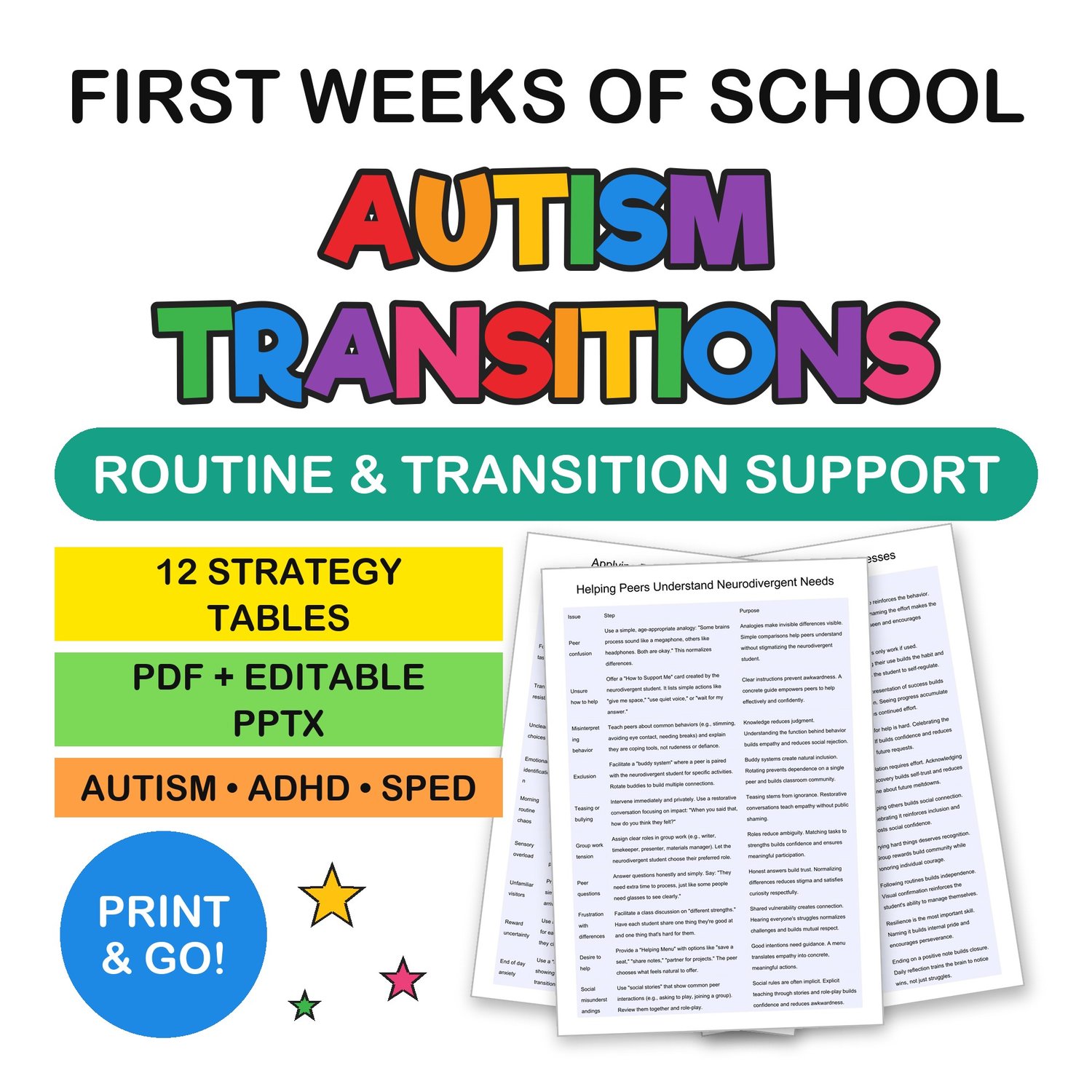
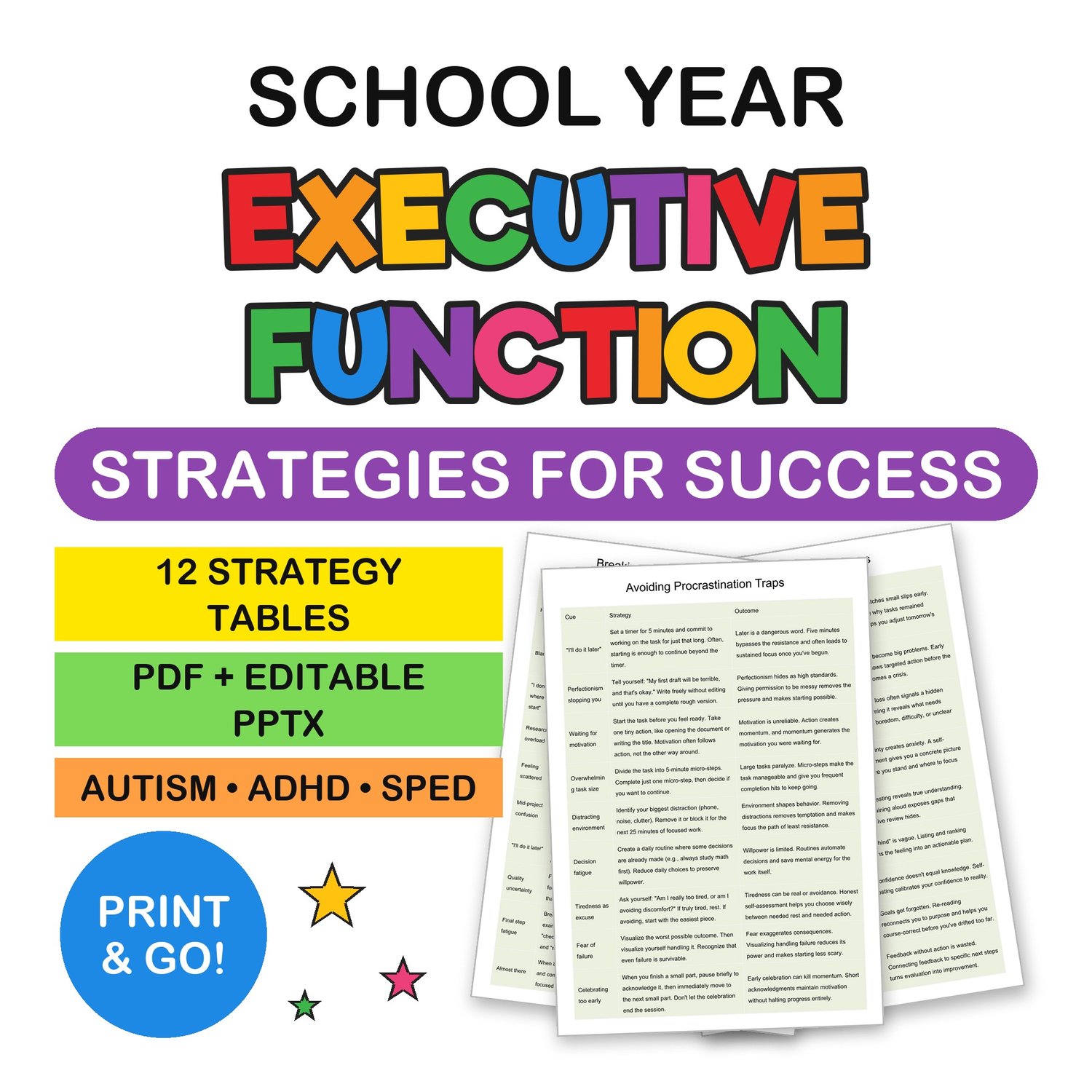
Students with a PDA profile often resist transitions when they feel like demands, and traditional approaches can make things worse. These 12 strategy tables give educators flexible, practical steps for supporting demand-avoidant students through school transitions.
What's Inside
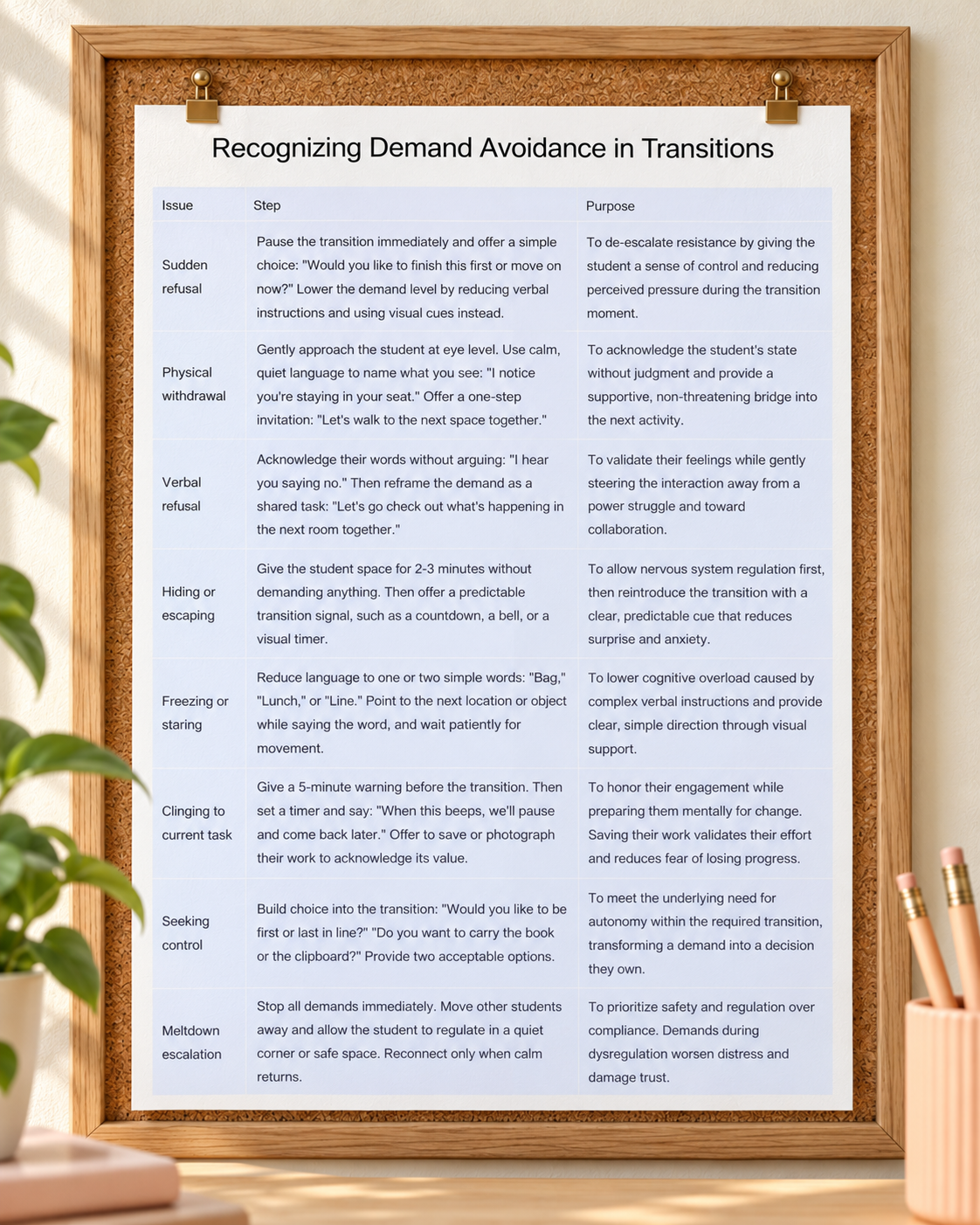
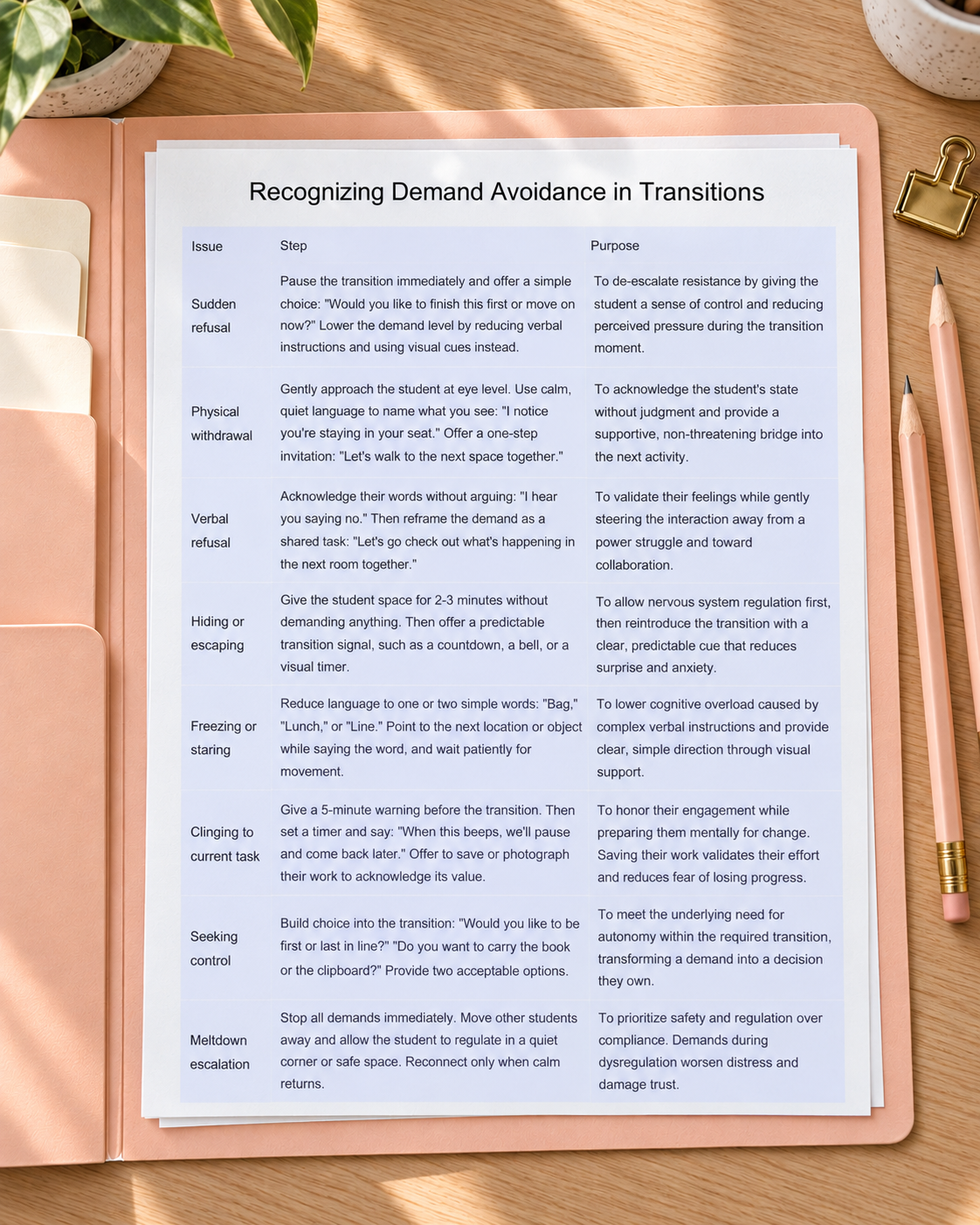
- Recognizing Demand Avoidance in Transitions
- Reacting to a Student's Refusal
- Correcting an Overly Rigid Routine
- Identifying Subtle Avoidance Behaviors
- Learning from Successful Transitions
- Accepting Responsibility as an Educator
- Frustration with Repeated Resistance
- Repeating the Same Transition Strategy
- Applying a Flexible Transition Approach
- Helping Colleagues Support Avoidant Students
- Fearing Loss of Classroom Control
- Celebrating a Smooth Transition
How It Helps You
- Helps you recognize subtle avoidance behaviors
- Encourages flexible routines instead of rigid demands
- Supports collaboration with colleagues working with the same student
Ways to Use It
Use them when planning transitions, in team meetings, for staff training, or as a reference during difficult moments.
Who It's For
Educators supporting students with PDA profiles..
Format
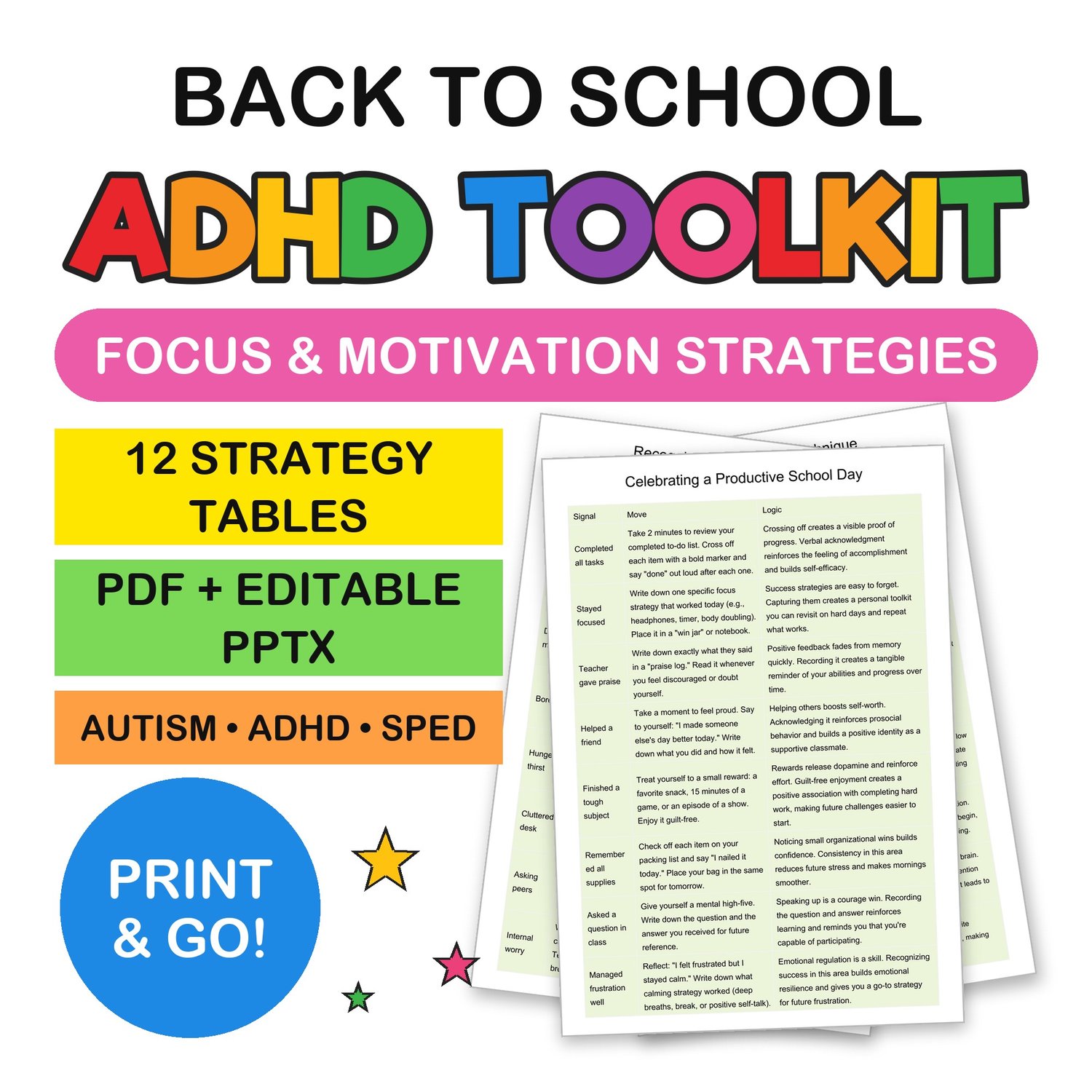
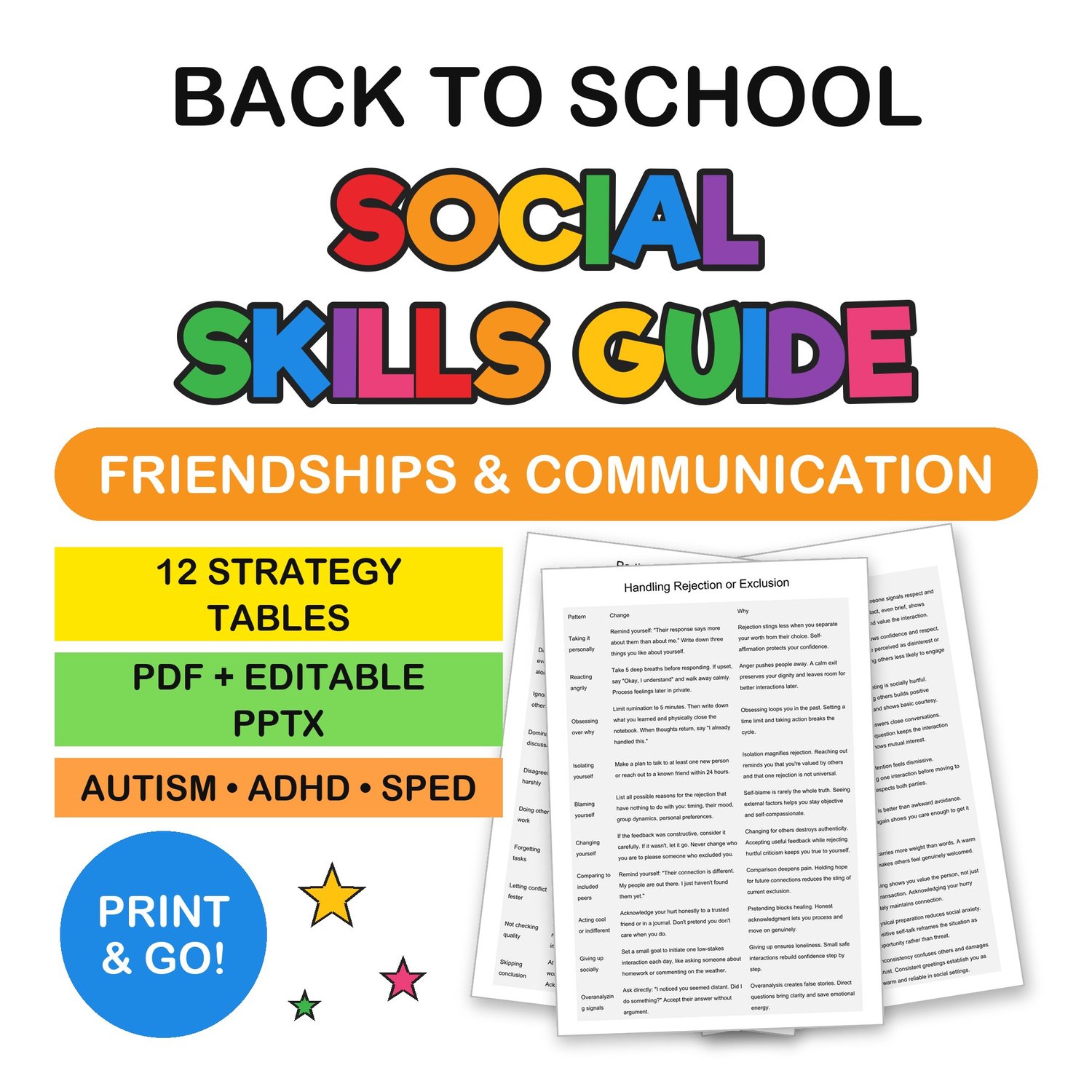
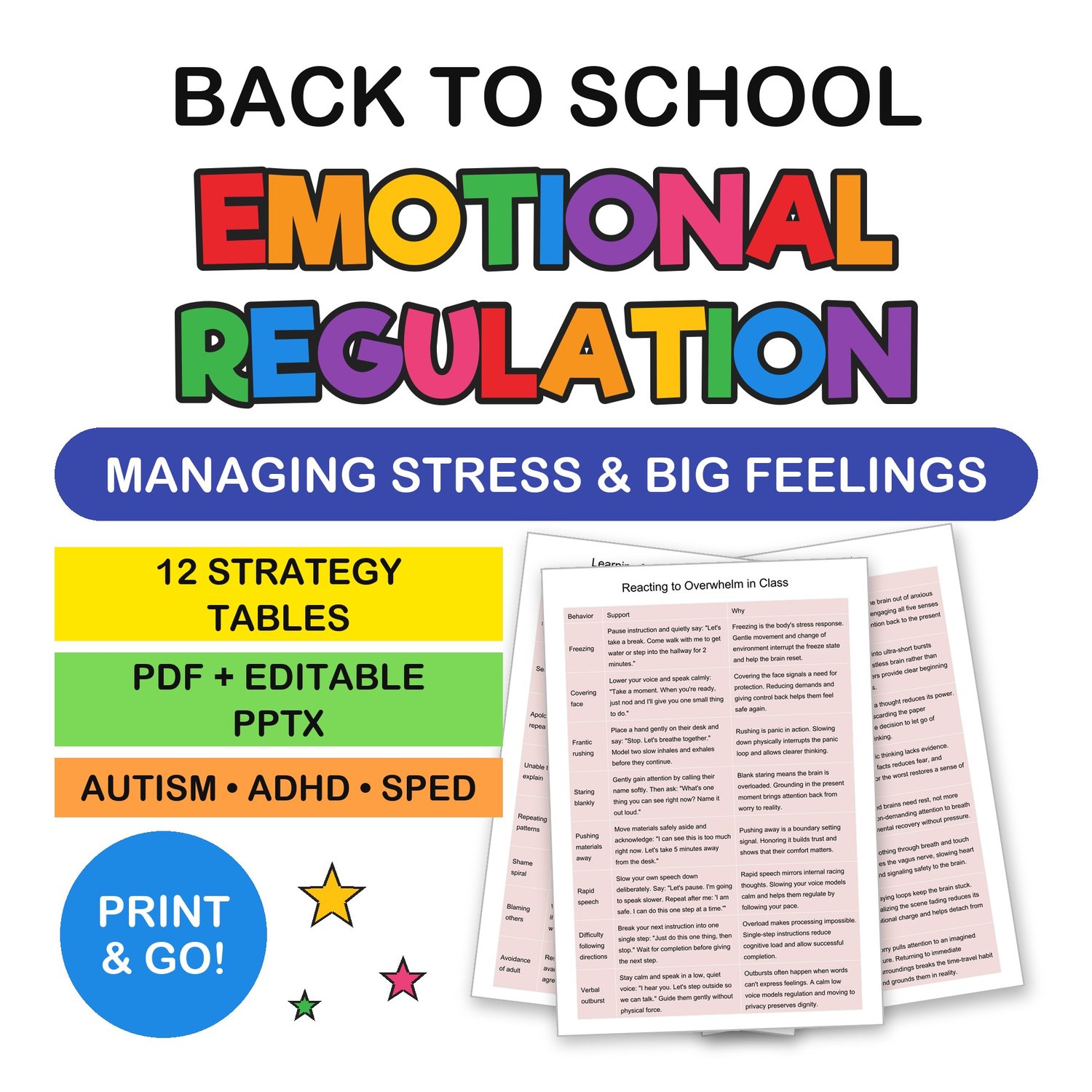
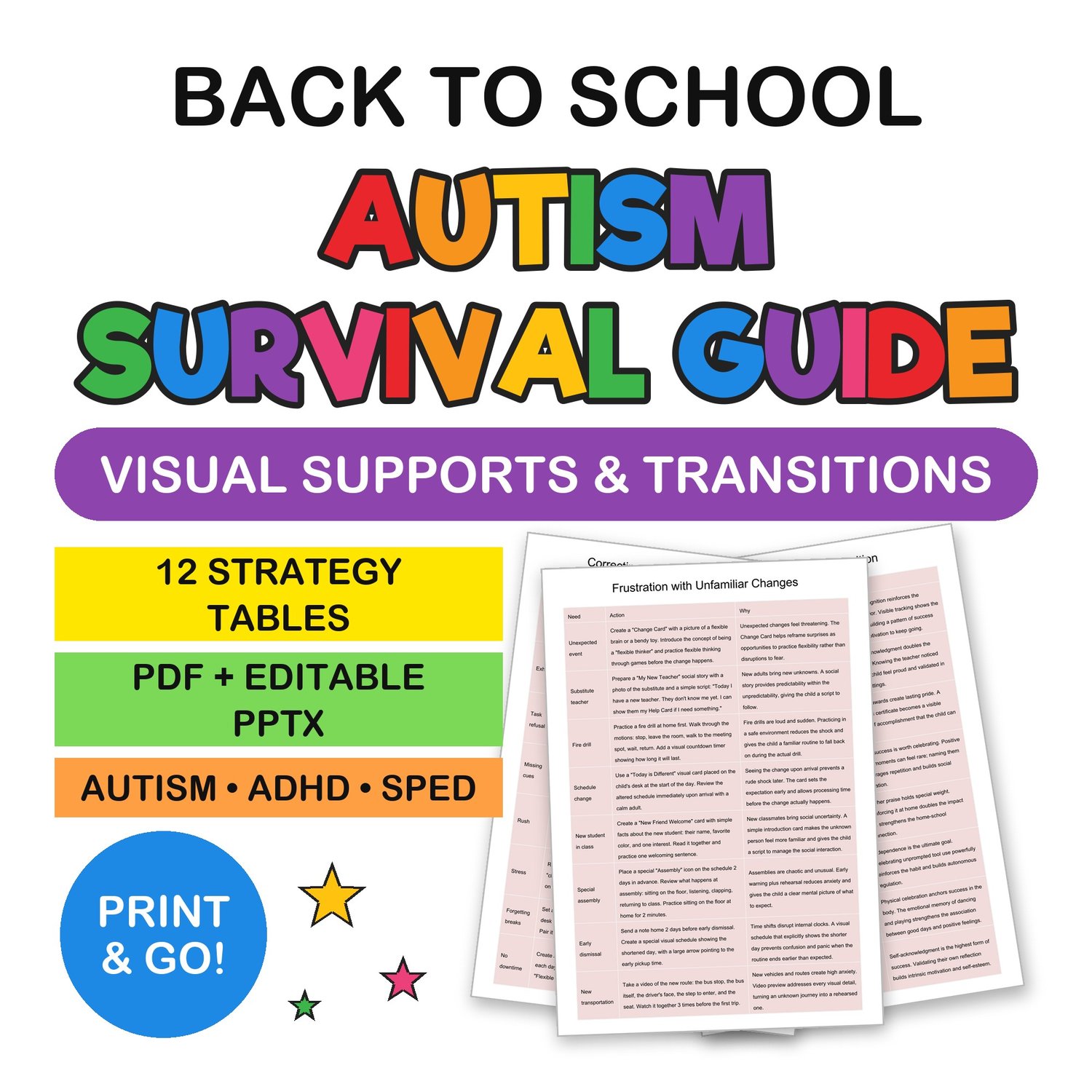
PDF (print-ready) and PPTX (editable). 12 strategy tables, one per page. Instant download.
Need more than one?
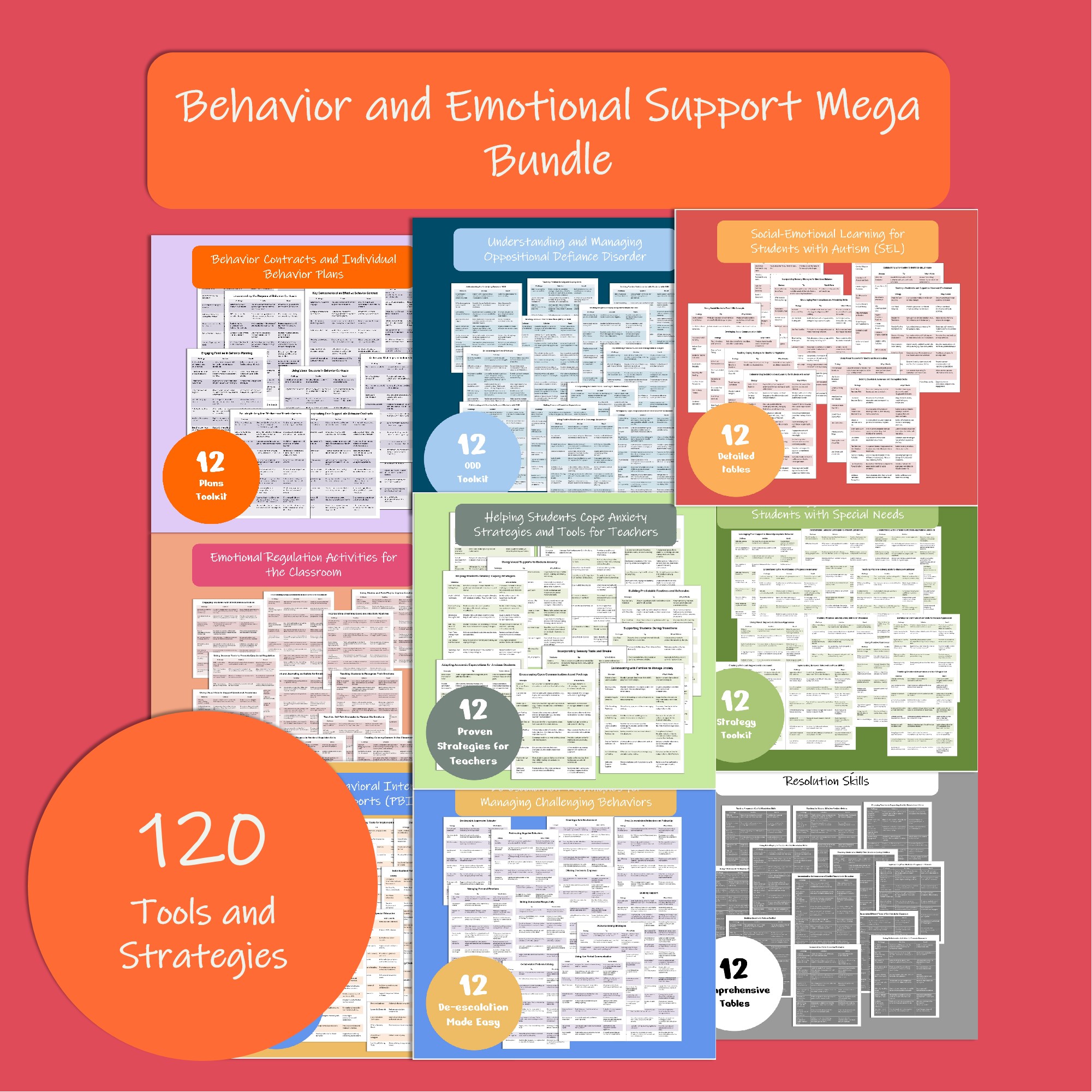
If behavior and emotional support is a priority for your students, you can cover more situations with the same practical format. The Behavior and Emotional Support Mega Bundle brings together 10 related resources in one download, and you save 25% compared to buying each item separately.