
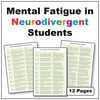
Mental Fatigue in Neurodivergent Students | Pacing and Energy Strategies
On Sale
$4.00
(25% off)
$3.00
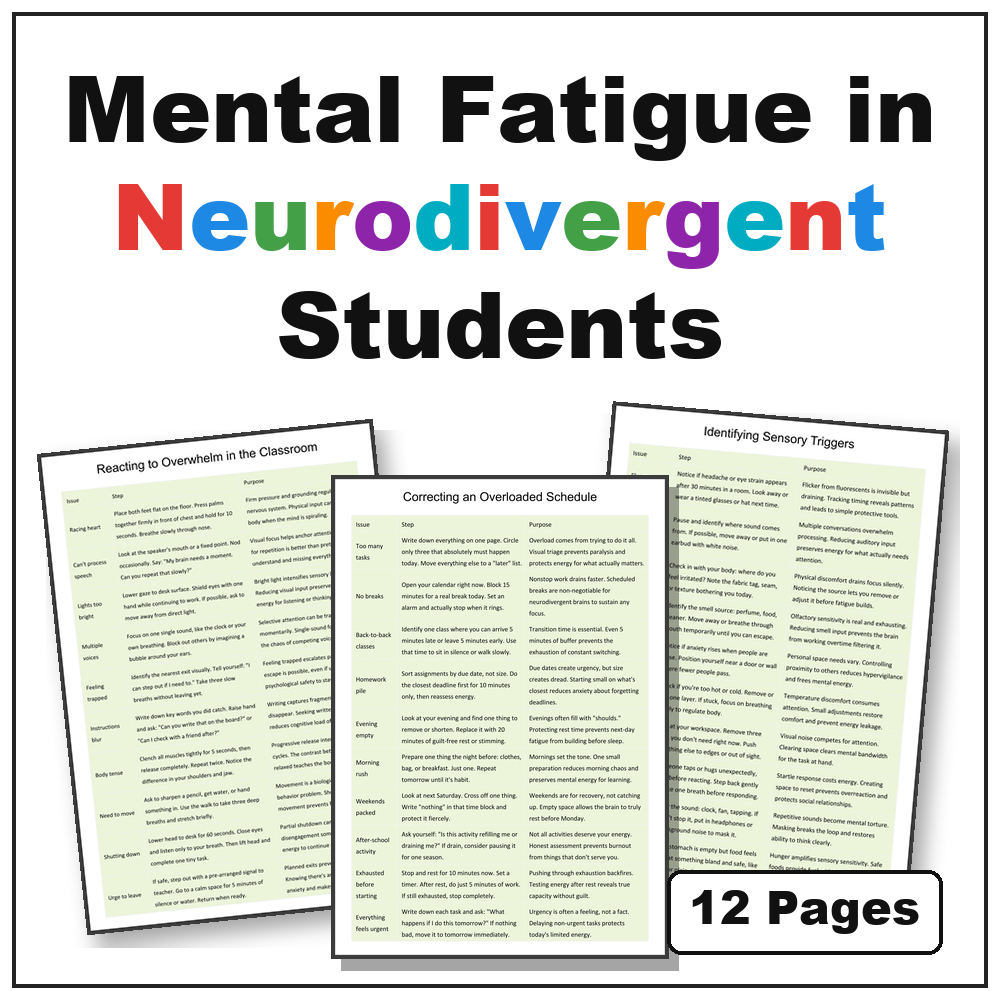
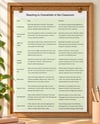
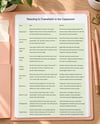
Neurodivergent students often spend extra energy masking, processing and coping with sensory input, which leads to mental fatigue. These 12 strategy tables help you recognize early signs and respond with practical pacing steps.
What's Inside
- Recognizing Early Signs of Mental Fatigue
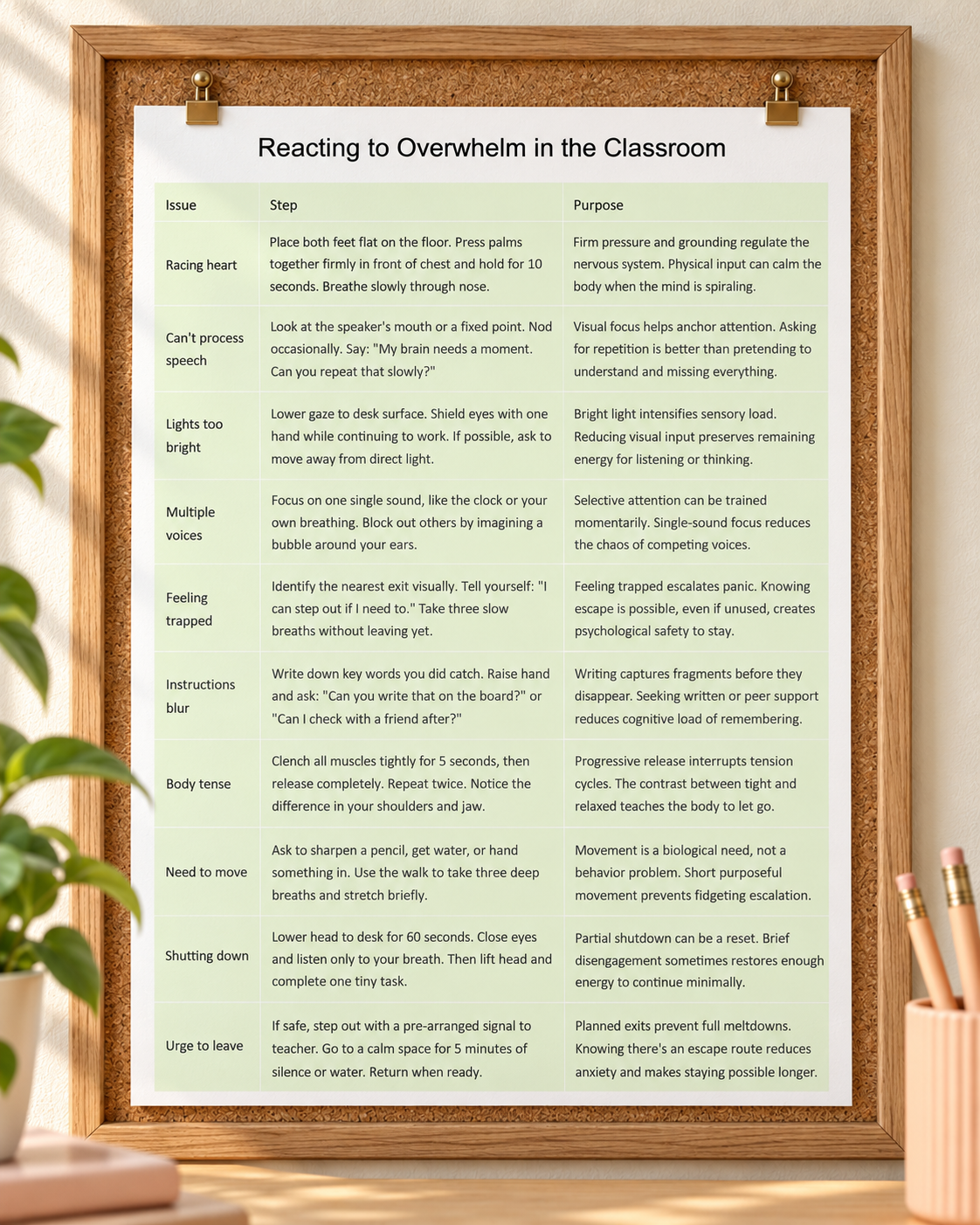
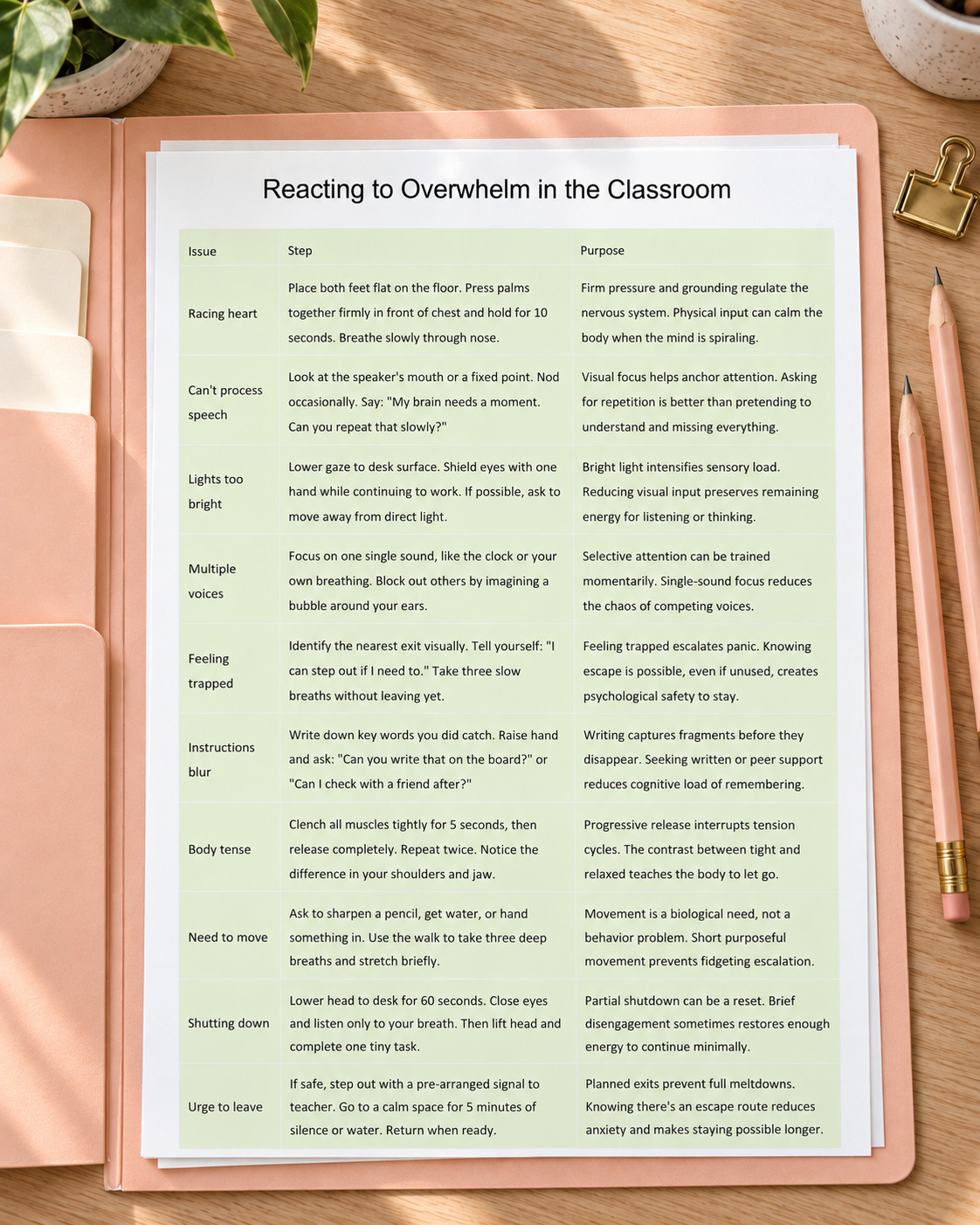
- Reacting to Overwhelm in the Classroom
- Correcting an Overloaded Schedule
- Identifying Sensory Triggers
- Learning from a Fatigue-Induced Mistake
- Accepting Limitations Without Shame
- Frustration with Needing More Rest
- Repeating the Same Energy Drain
- Applying a New Pacing Strategy
- Helping a Neurodivergent Peer Rest
- Fearing Being Seen as "Lazy"
- Celebrating a Well-Managed Day
How It Helps You
- Helps you notice early signs of fatigue before overwhelm
- Offers pacing and scheduling changes that protect energy
- Addresses the fear of being seen as lazy with respect
Ways to Use It
Use them in classroom planning, counseling sessions, IEP meetings or with families at home.
Who It's For
Special education teachers, counselors, occupational therapists and parents.
Format
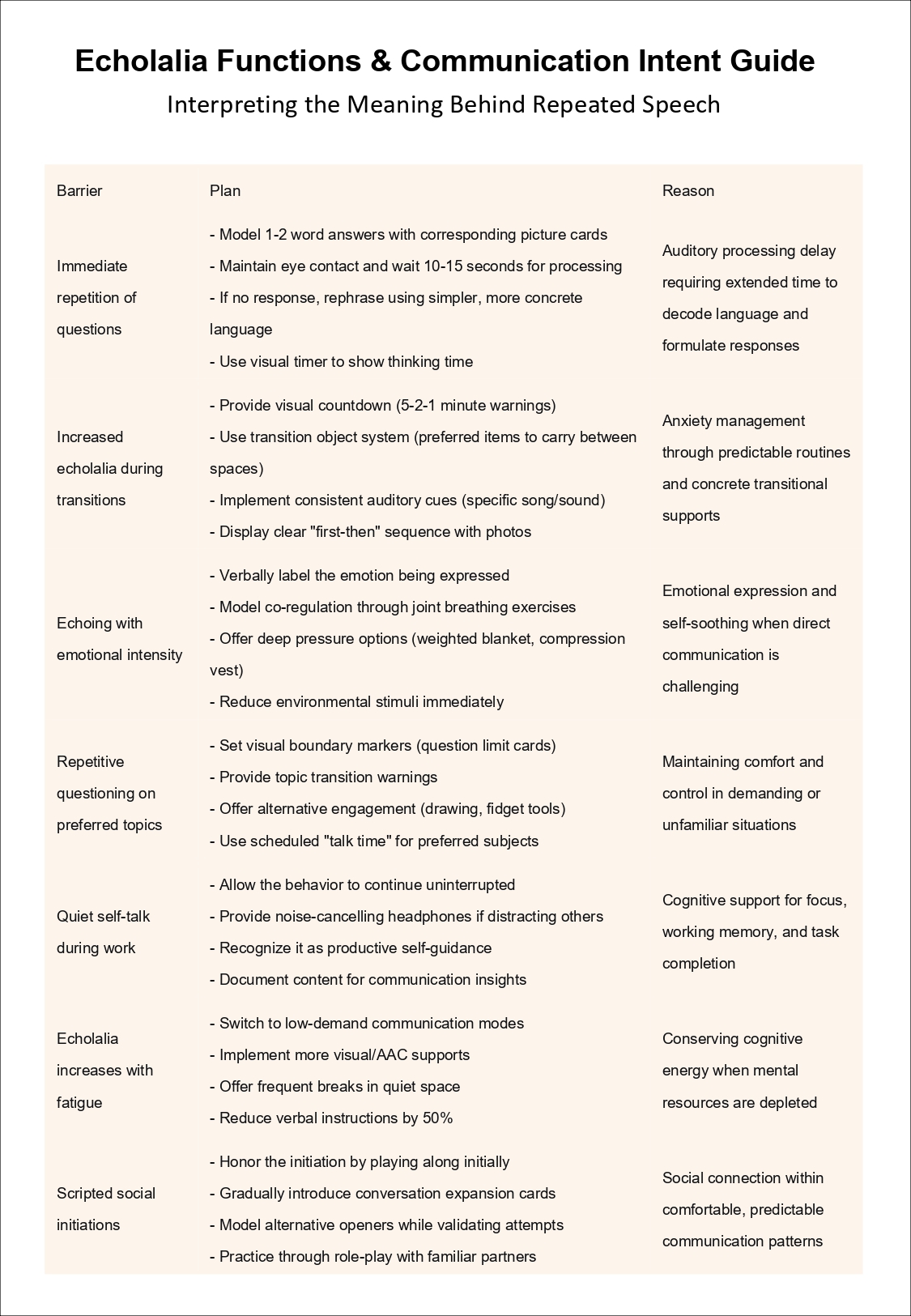
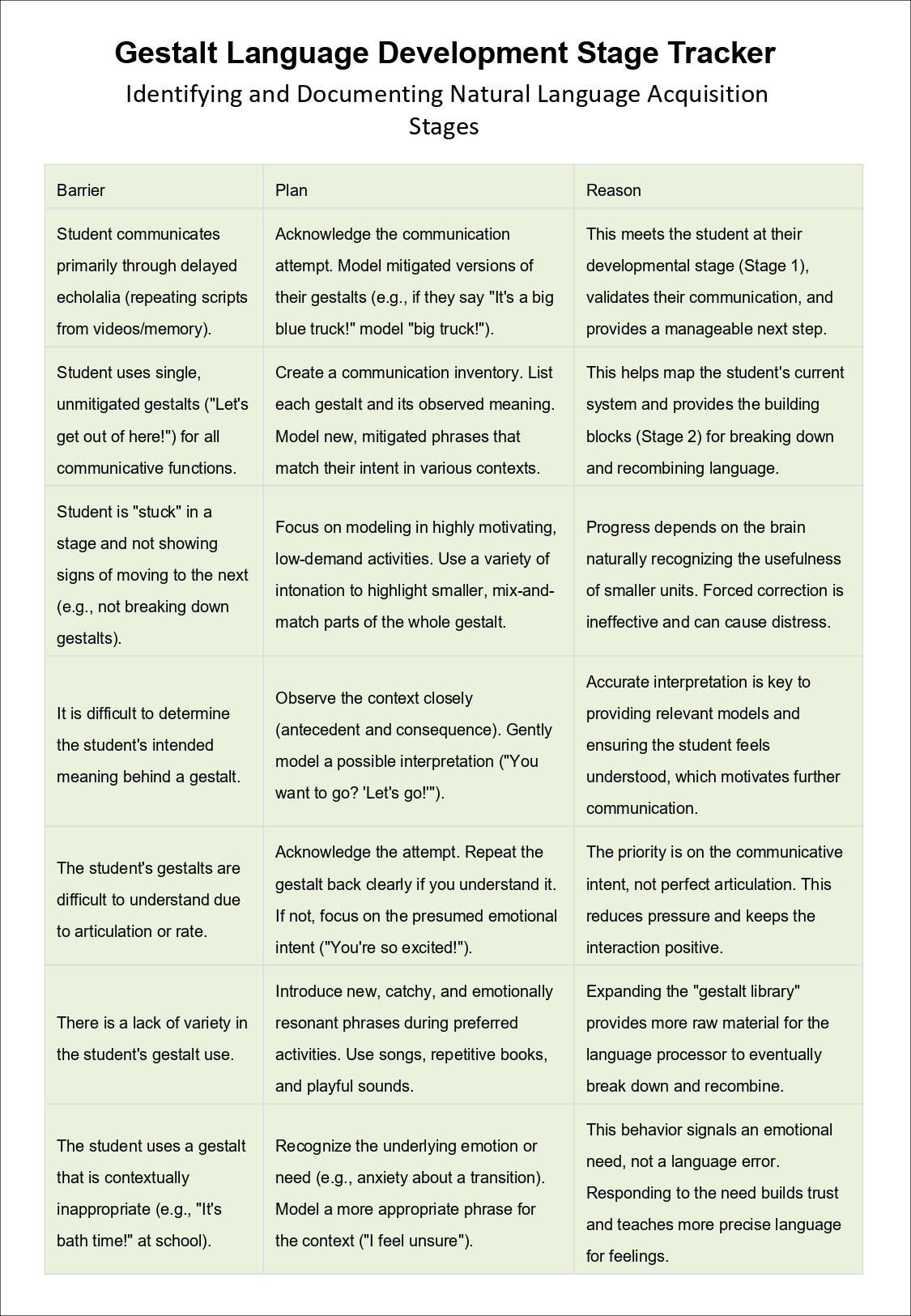
PDF (print-ready) and PPTX (editable). 12 strategy tables, one per page. Instant download.
Need more than one?
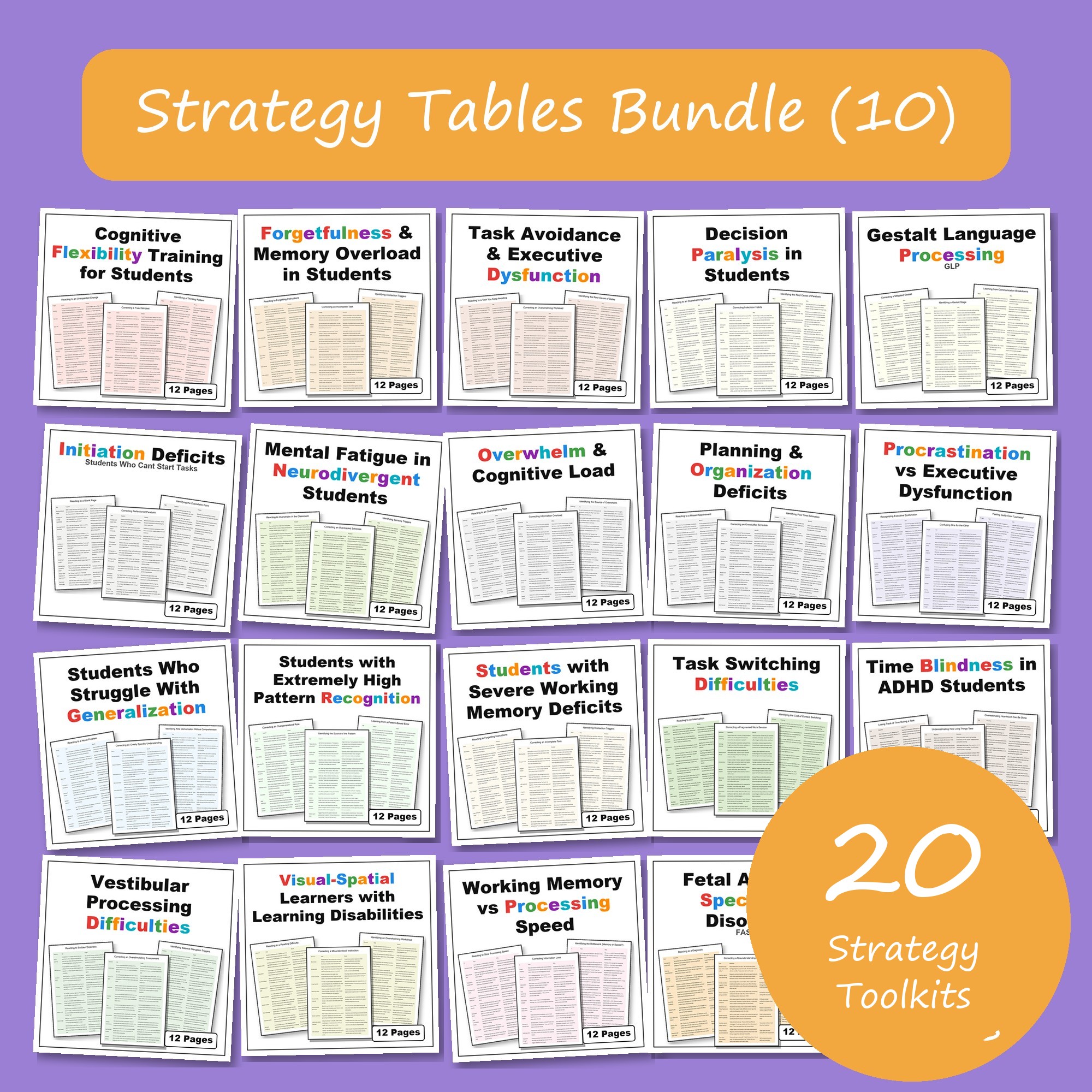
If one-page strategy tables suit the way you work, the Strategy Tables Bundle (10) includes this resource and 19 more in one download, and you save 58% compared to buying each item separately.