



Understanding PDA Profiles in Educational Settings
On Sale
$5.00
(25% off)
$3.75
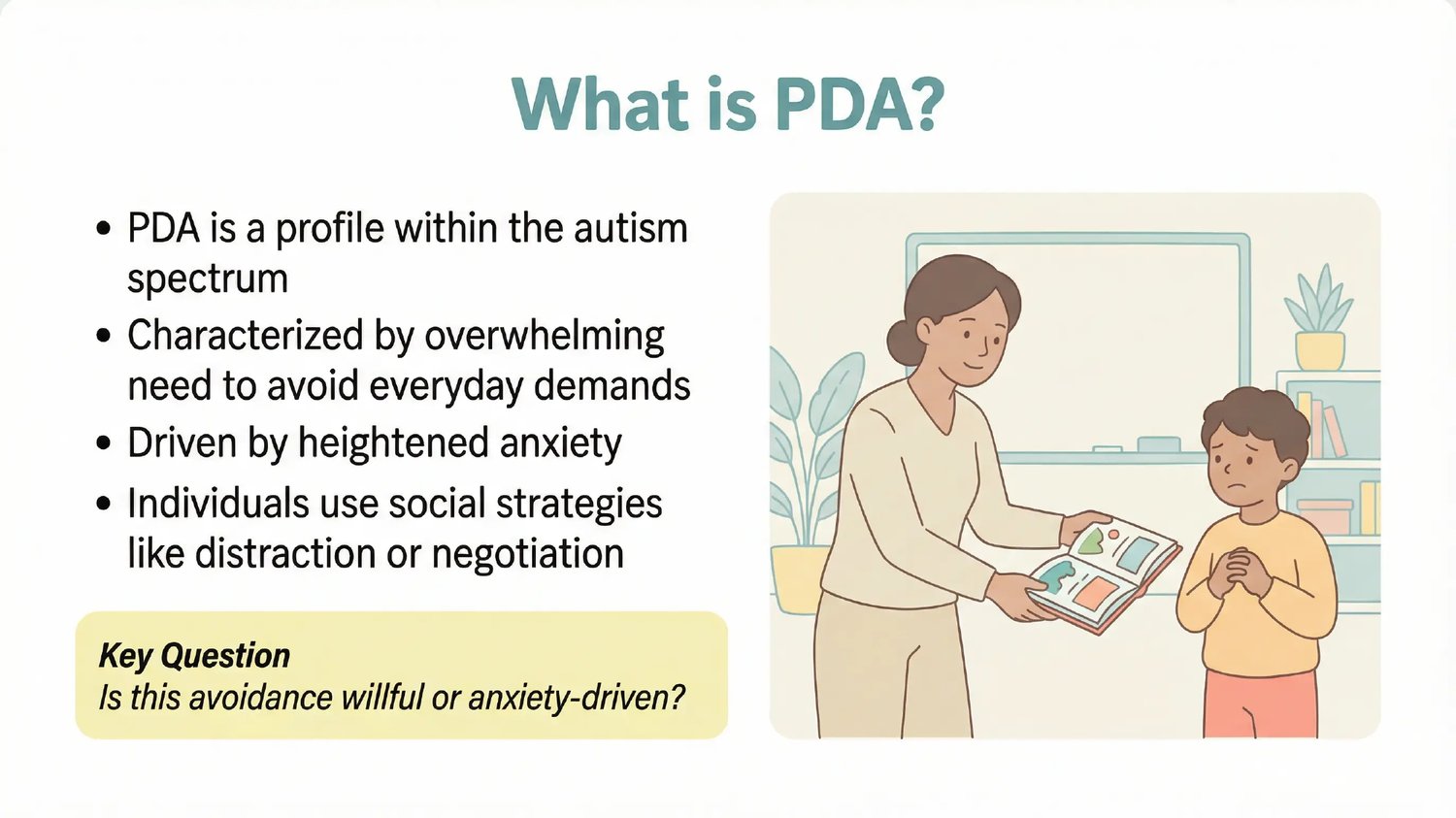
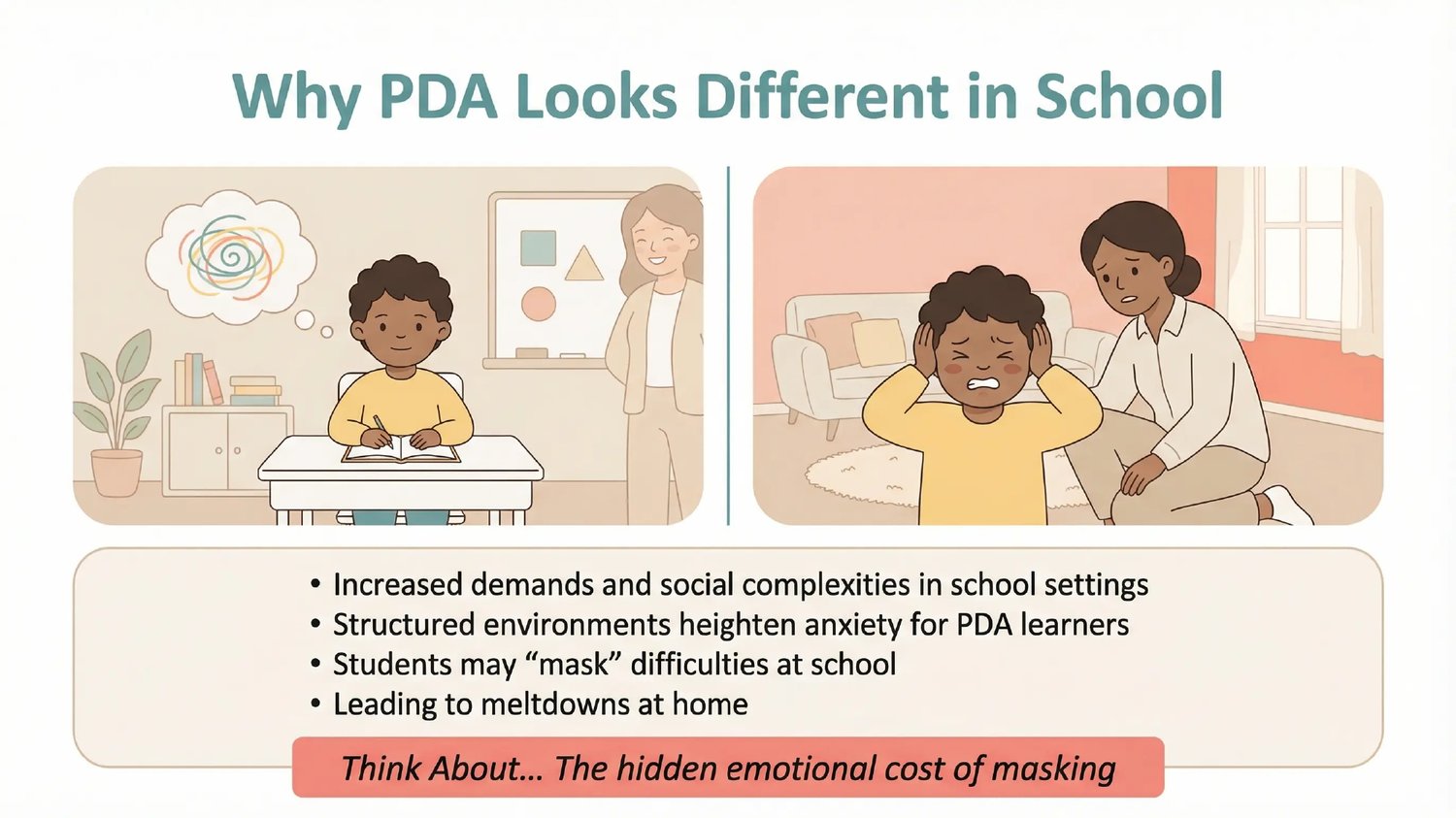
PDA is often mistaken for defiance or general anxiety. This foundational guide helps educators understand Pathological Demand Avoidance as a distinct profile within the autism spectrum and recognize how it shows up in school.
What's Inside
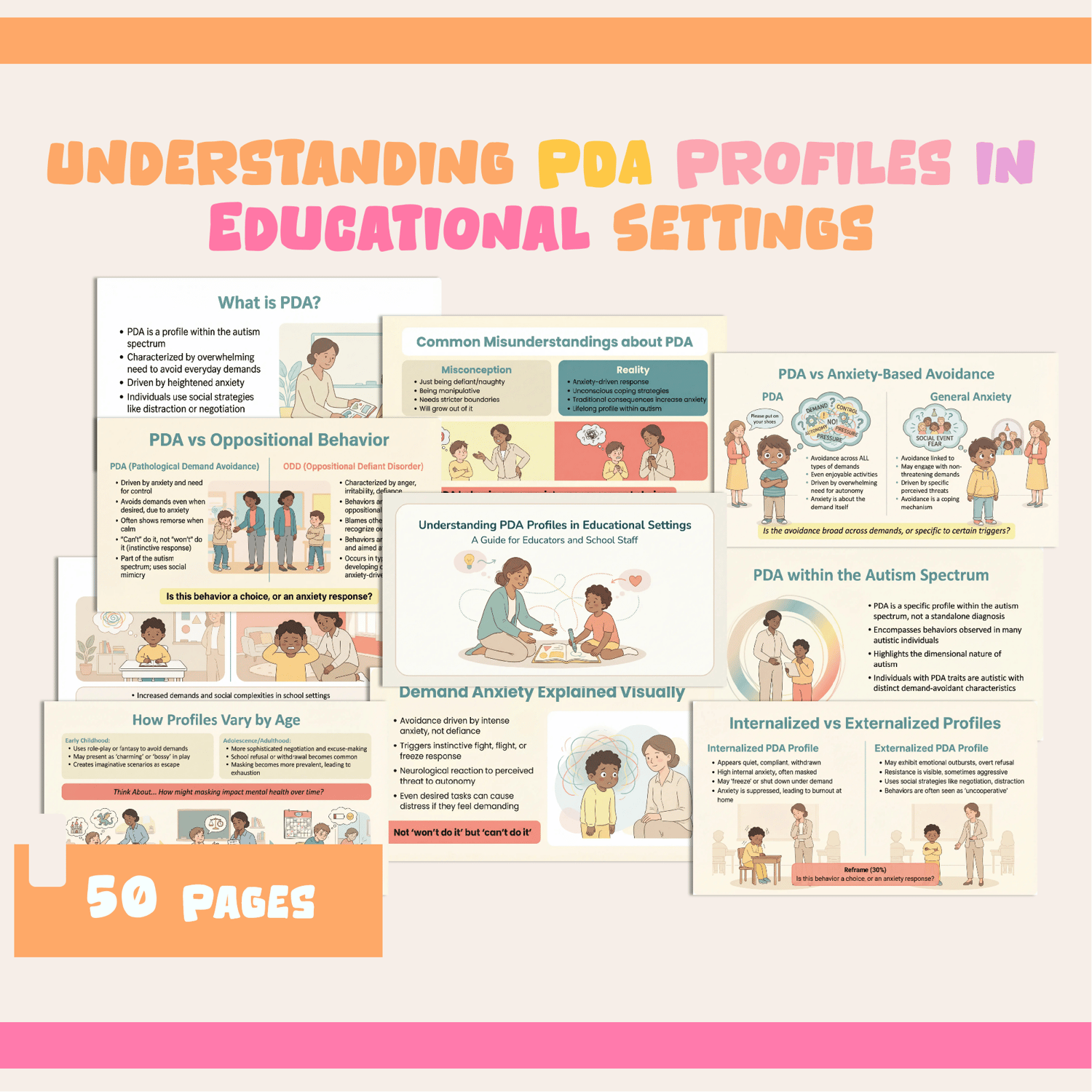
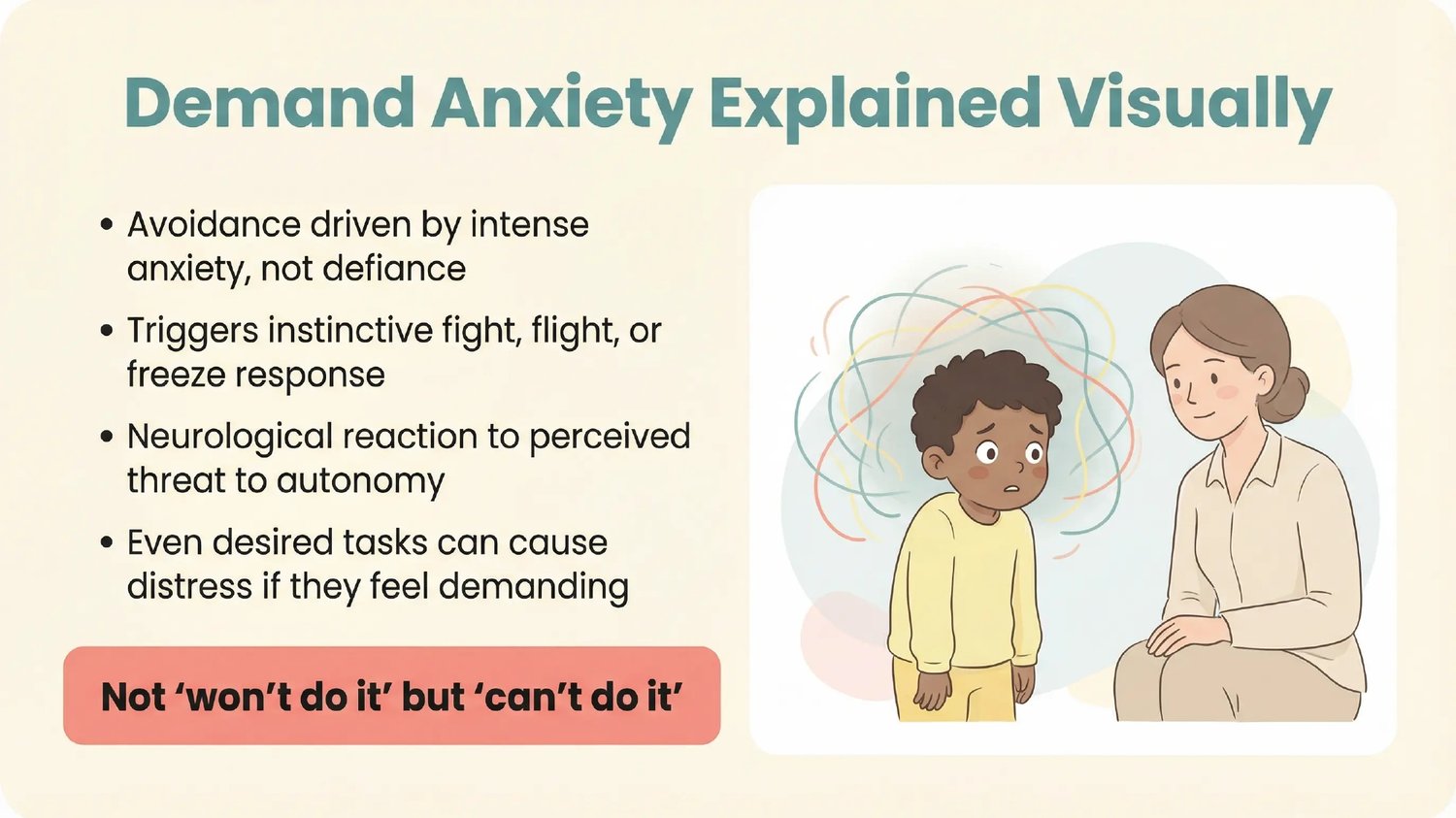
- A clear explanation of what PDA is and how it's driven by anxiety, not defiance
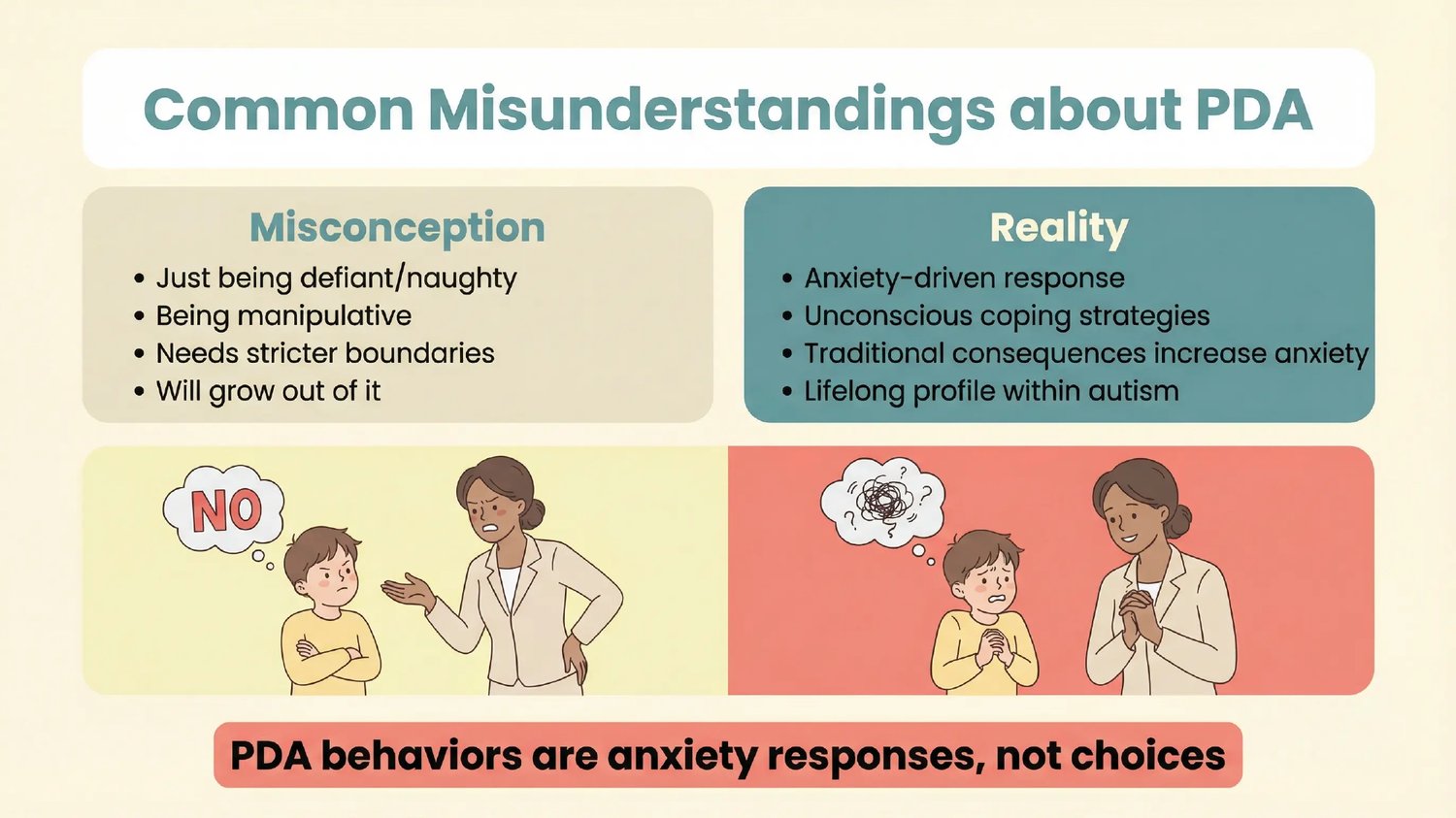
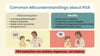
- A Common Misunderstandings About PDA chart contrasting misconception with reality
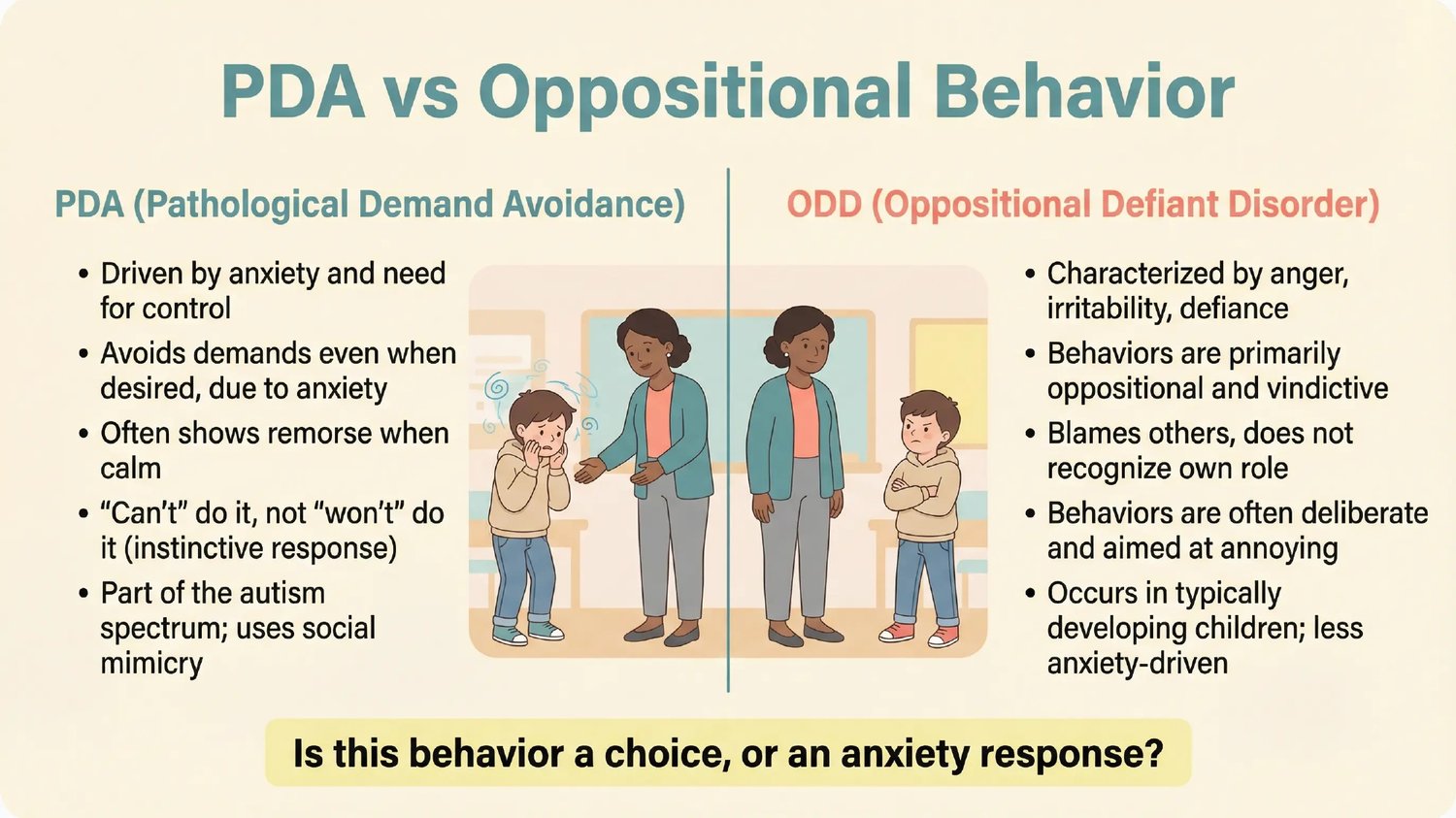
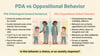
- A PDA vs. Oppositional Behavior comparison (PDA vs. ODD)
- A PDA vs. Anxiety-Based Avoidance comparison
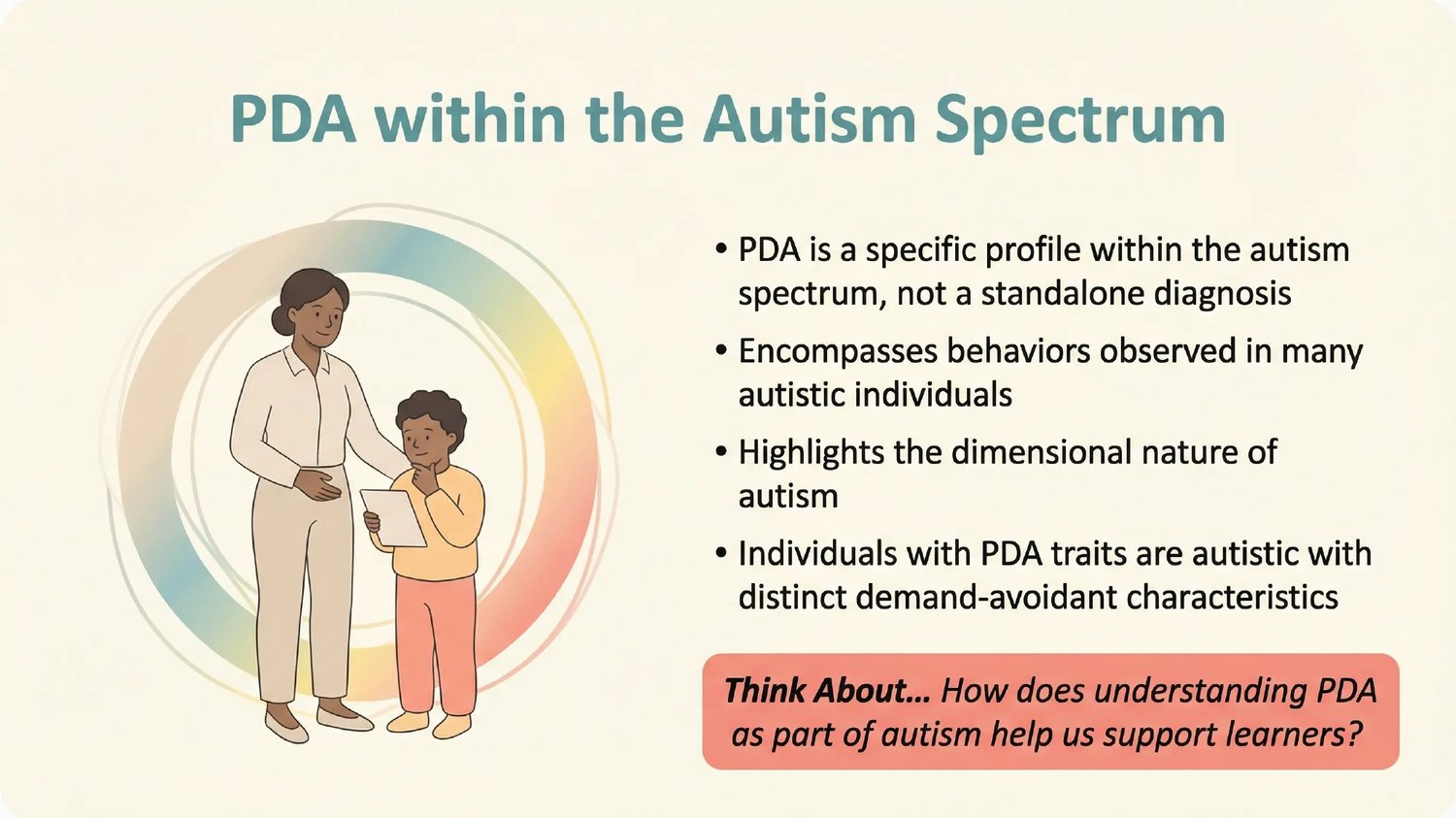
- An overview of PDA within the autism spectrum
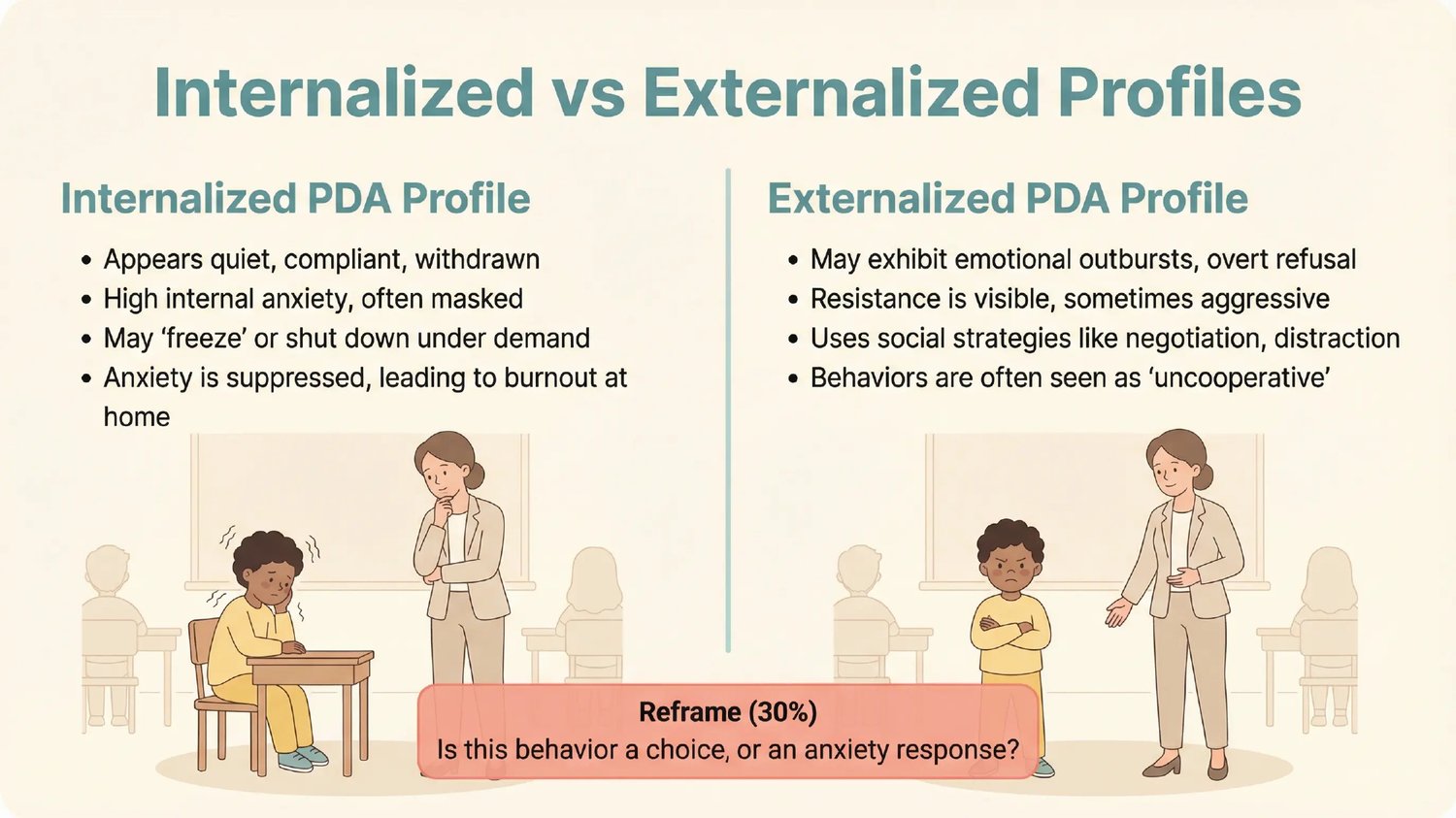
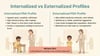
- Internalized vs. Externalized PDA Profile breakdowns
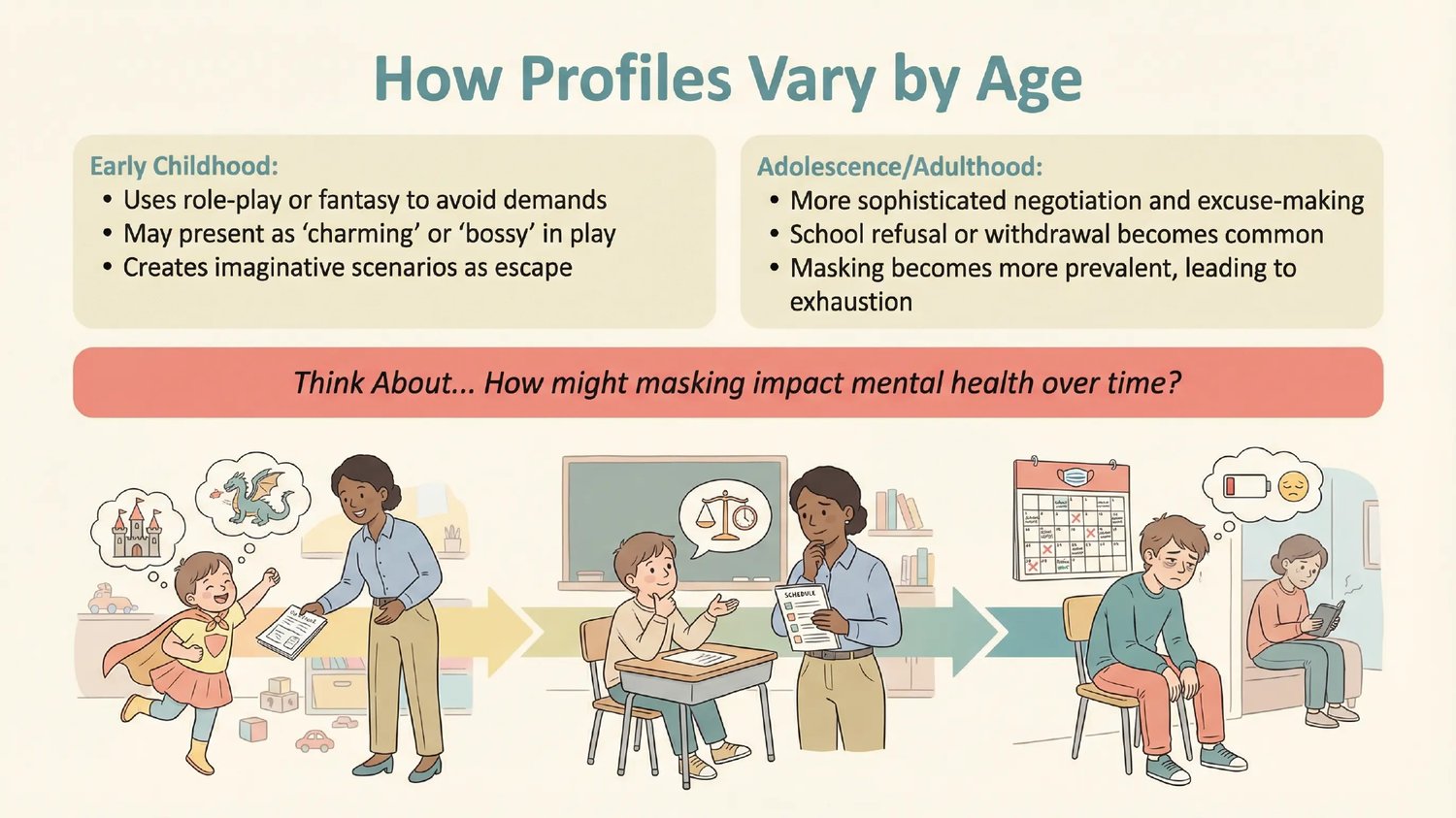
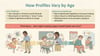
- How PDA profiles vary by age, from early childhood to adolescence/adulthood
- A visual explanation of demand anxiety and the fight/flight/freeze response
- Insight into why traditional reward systems backfire, with a reframe toward process and collaboration
How It Helps You
- Clears up common misconceptions about PDA
- Distinguishes PDA from ODD and anxiety-based avoidance
- Explains why traditional reward systems often backfire
Ways to Use It
Use it for staff PD, team discussions before planning supports, or self-paced learning.
Who It's For
Teachers, school psychologists, behavior specialists, and school staff.
Format
Digital guide. Instant download.
Need more than one?

If you use professional development resources with your team, this course fits alongside many others on special education practice. The Special Education Courses Bundle includes this resource and more in one download, and you save 66% compared to buying each item separately.