
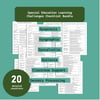
Dyslexia Dyscalculia Dysgraphia Dyspraxia Checklists Special Education
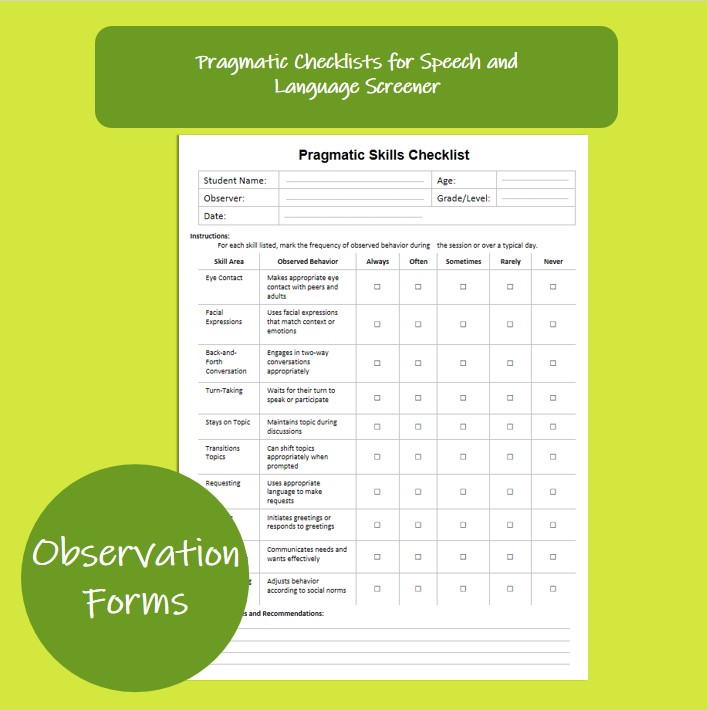
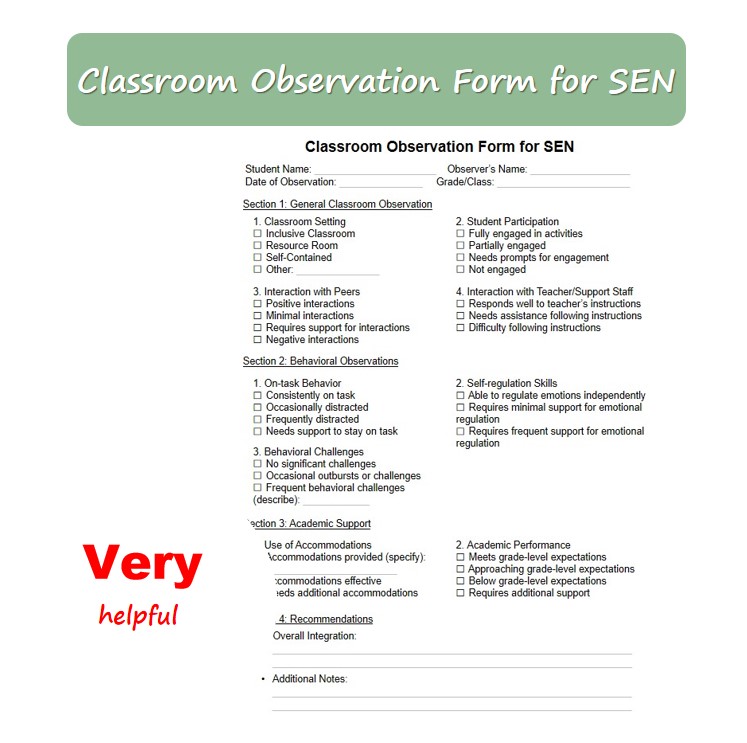
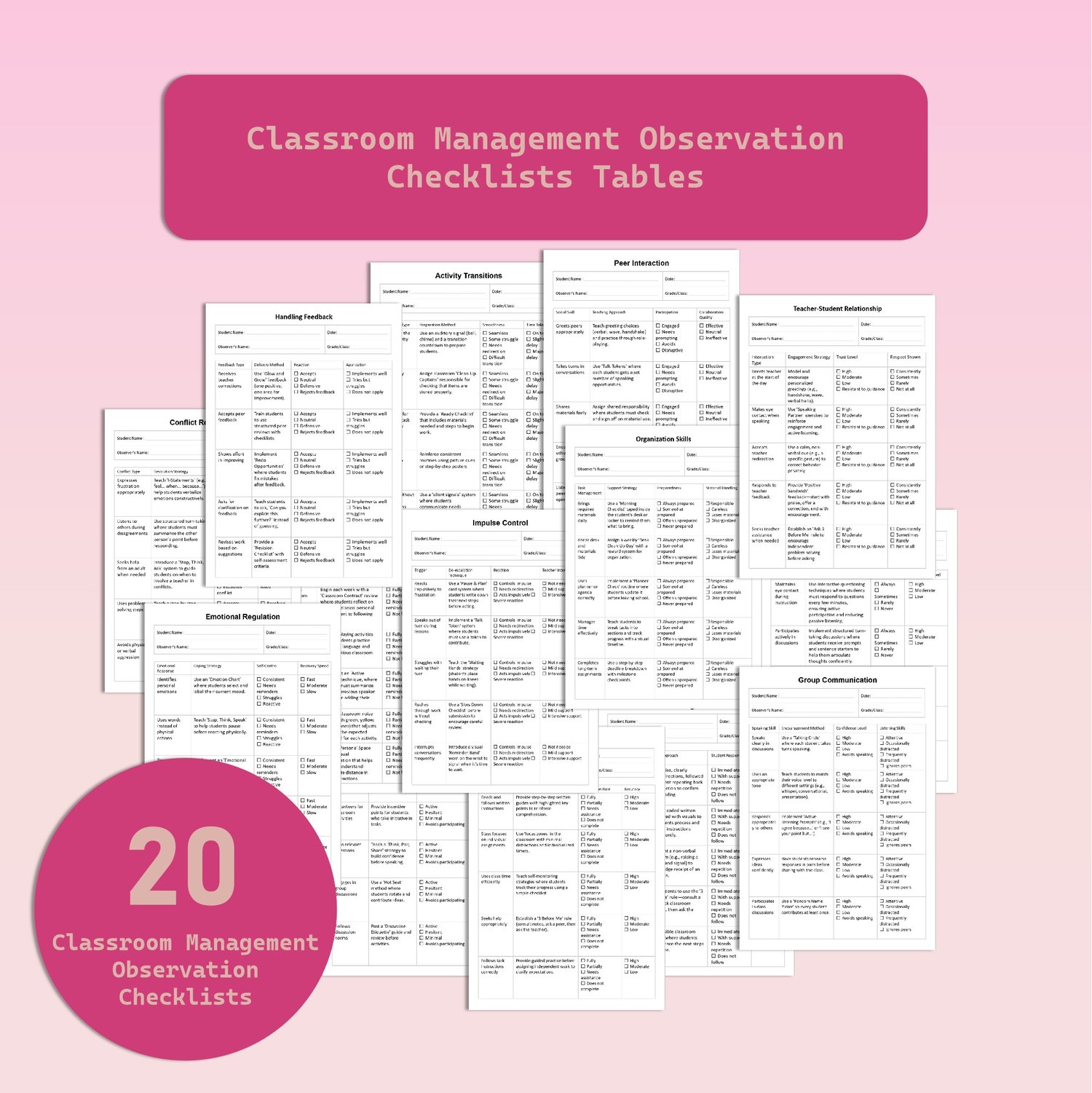
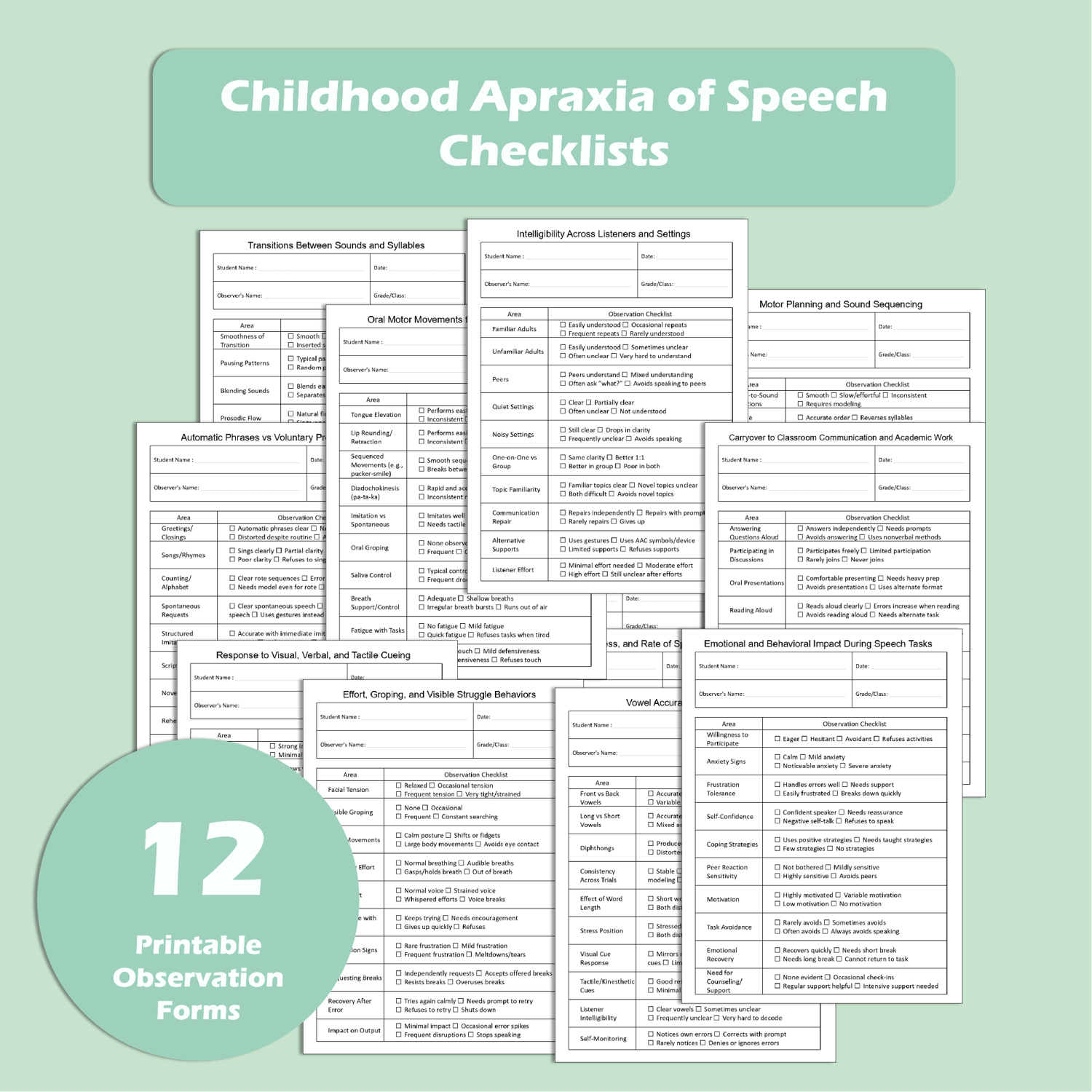
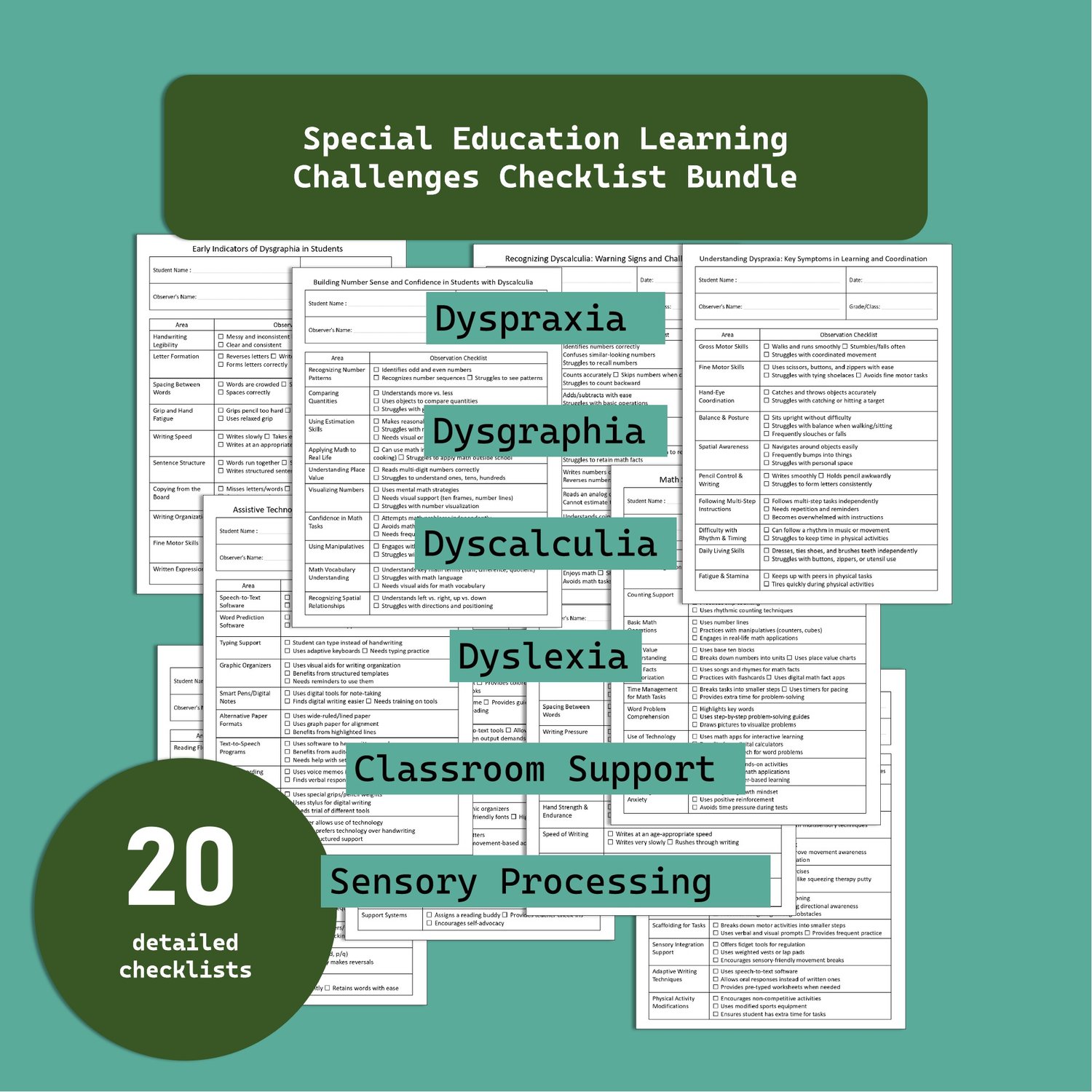
Noticing the signs of a learning difference is the first step to getting a student the right support. This set of 20 observation checklists covers dyslexia, dysgraphia, dyscalculia, dyspraxia, and related executive functioning, sensory, and social needs, with identification, accommodation, and intervention ideas in one place.
What's Inside
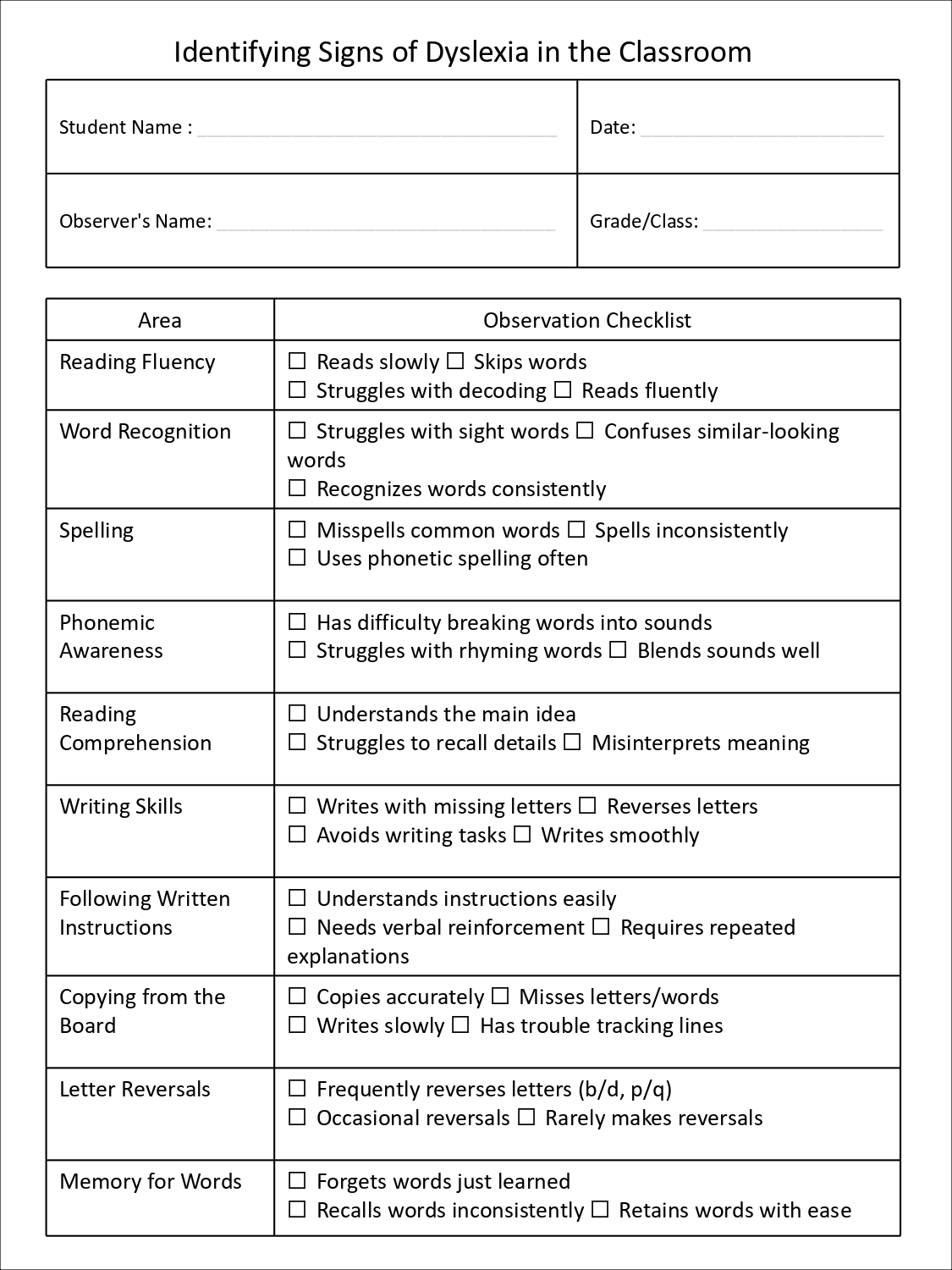
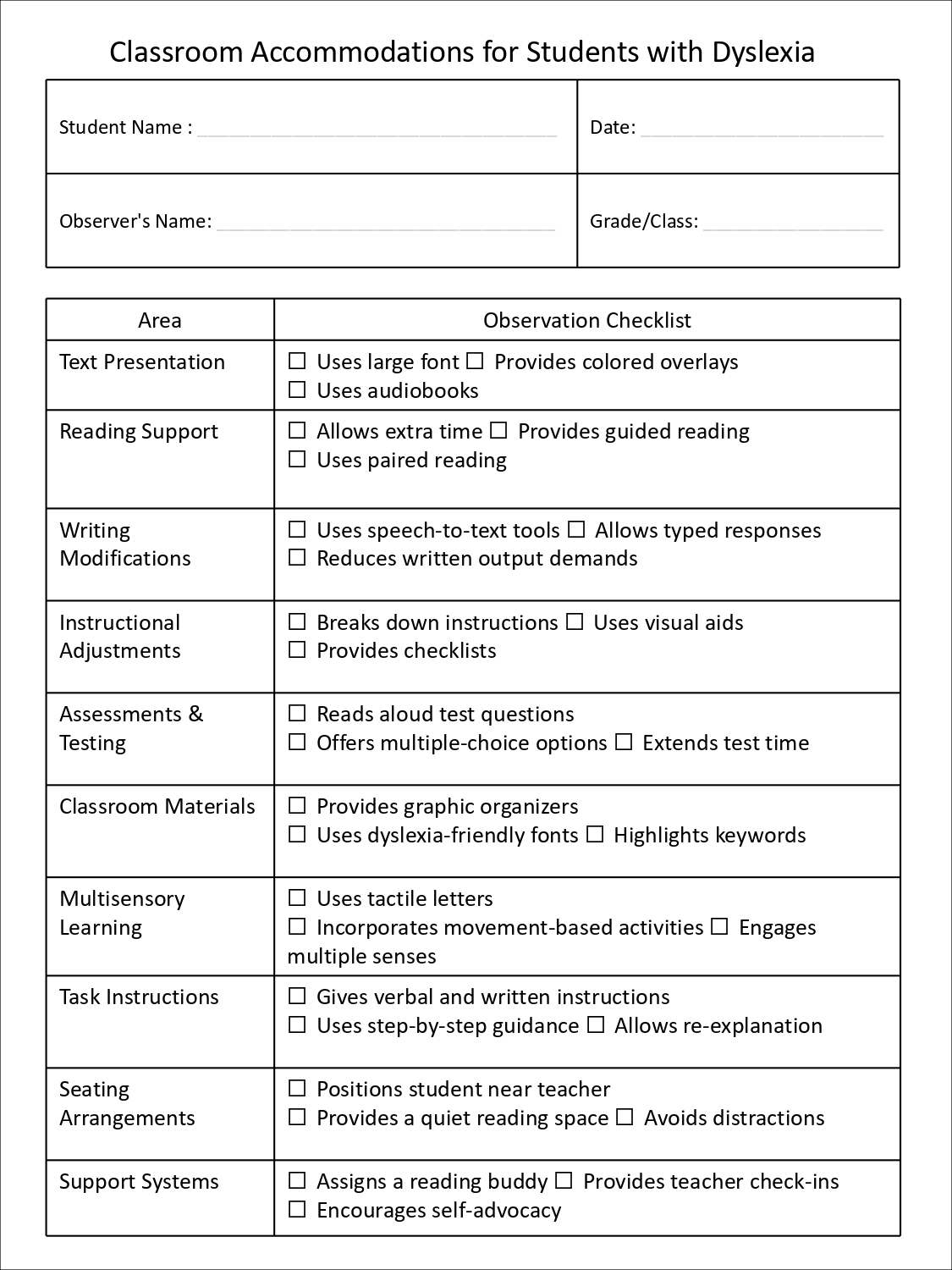
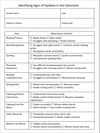
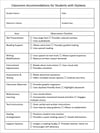
- Identifying signs of dyslexia and classroom accommodations
- Early indicators of dysgraphia, handwriting and fine motor support, and assistive technology tools
- Recognizing dyscalculia, math strategies, and building number sense
- Understanding dyspraxia symptoms, motor skills strategies, and adaptive classroom supports
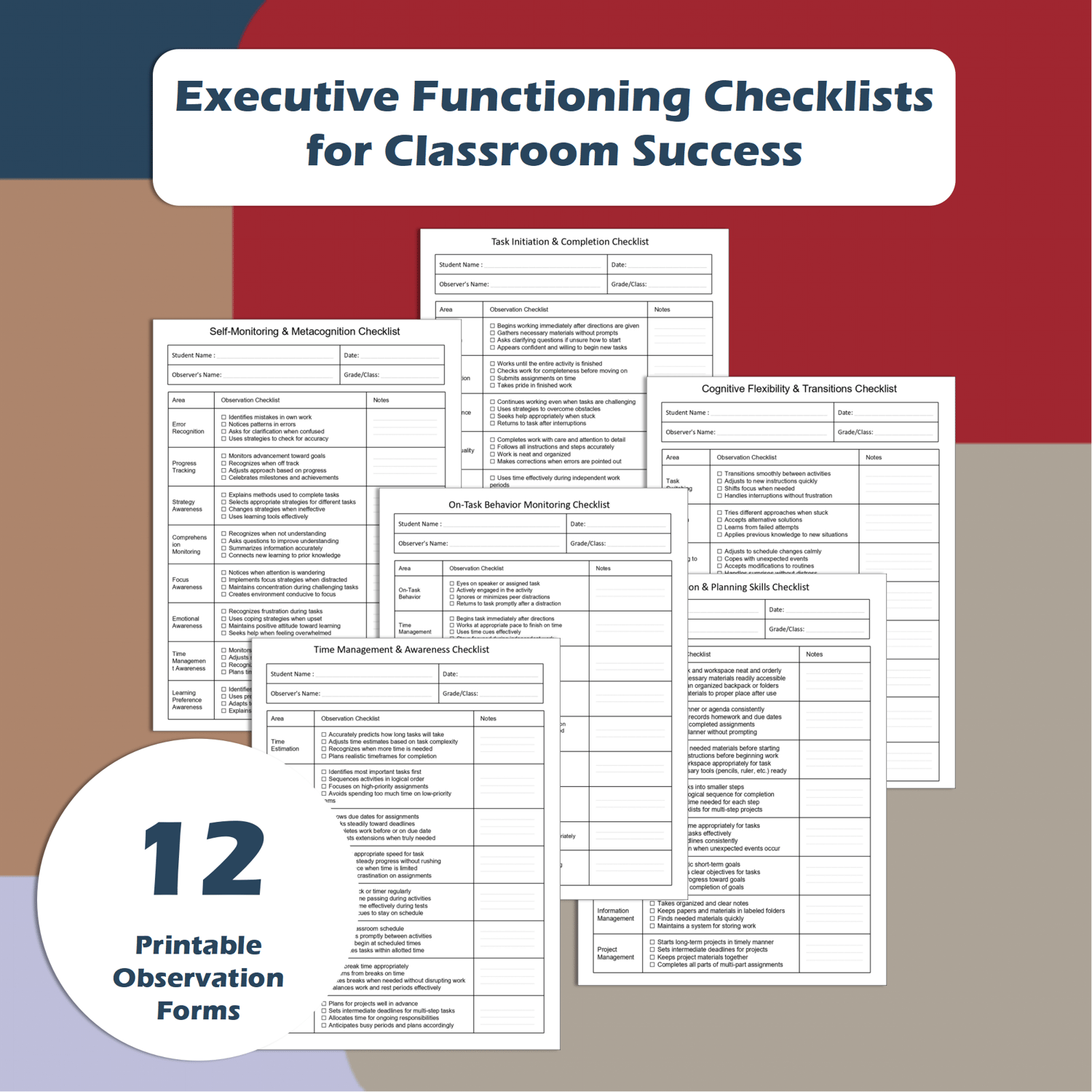
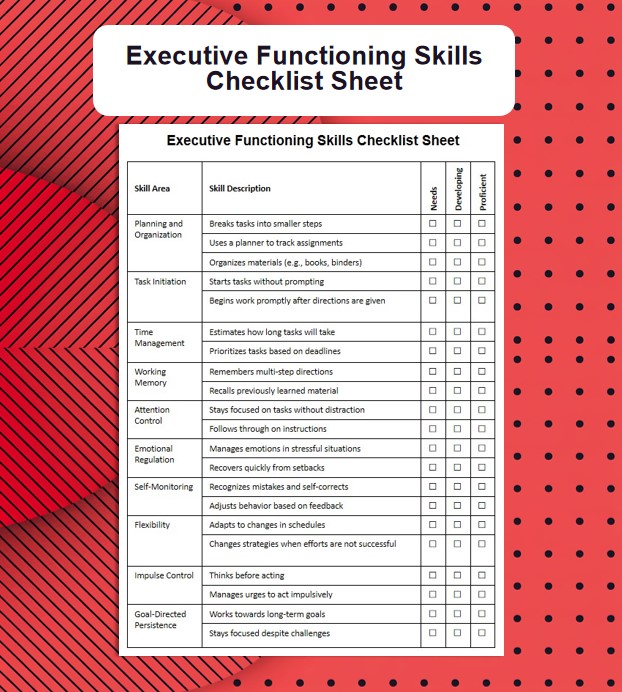
- Executive functioning challenges
- Sensory processing strategies
- Peer relationships and social skills
- Self-regulation and emotional control
- Classroom participation, organizational skills, independent work, self-advocacy, and test-taking support
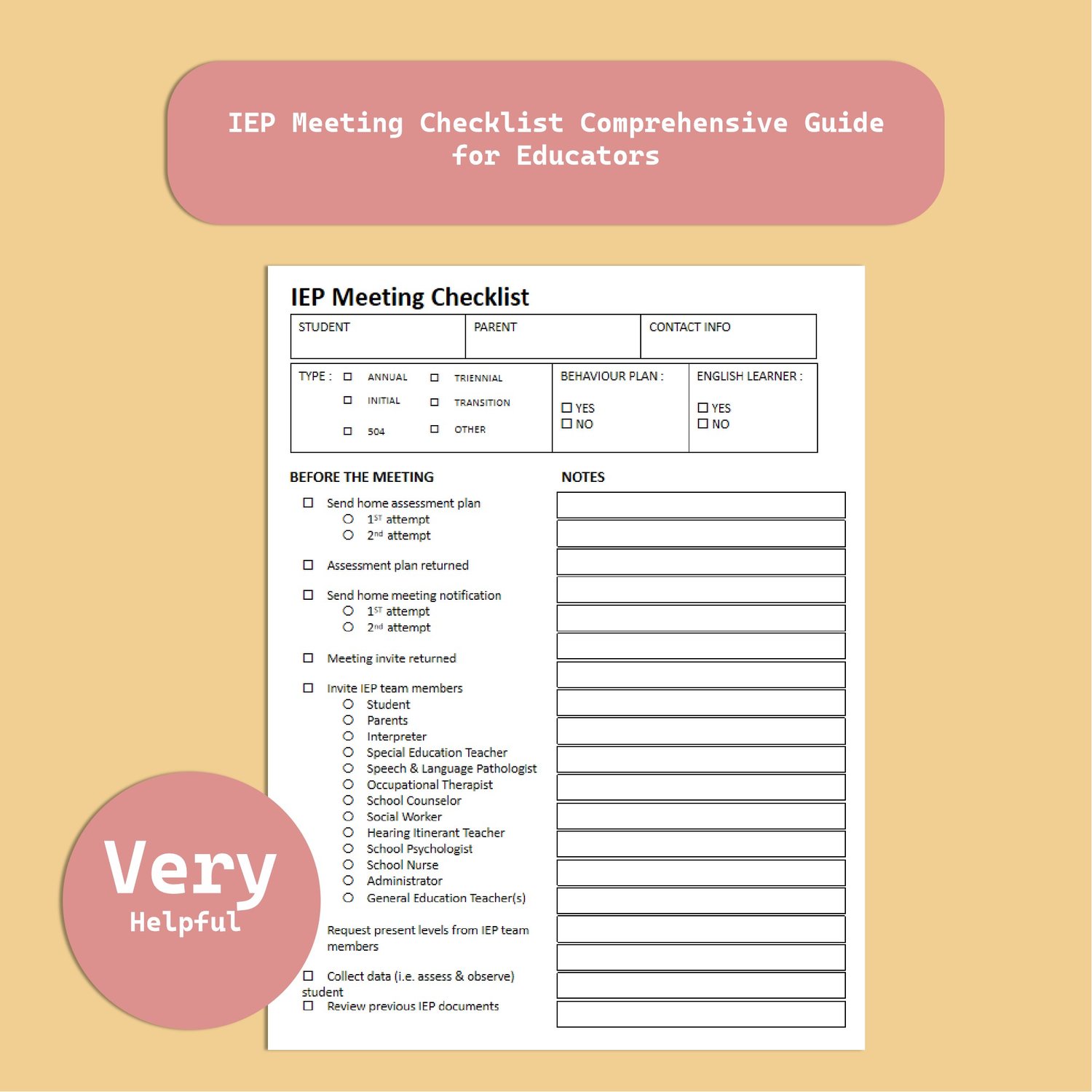
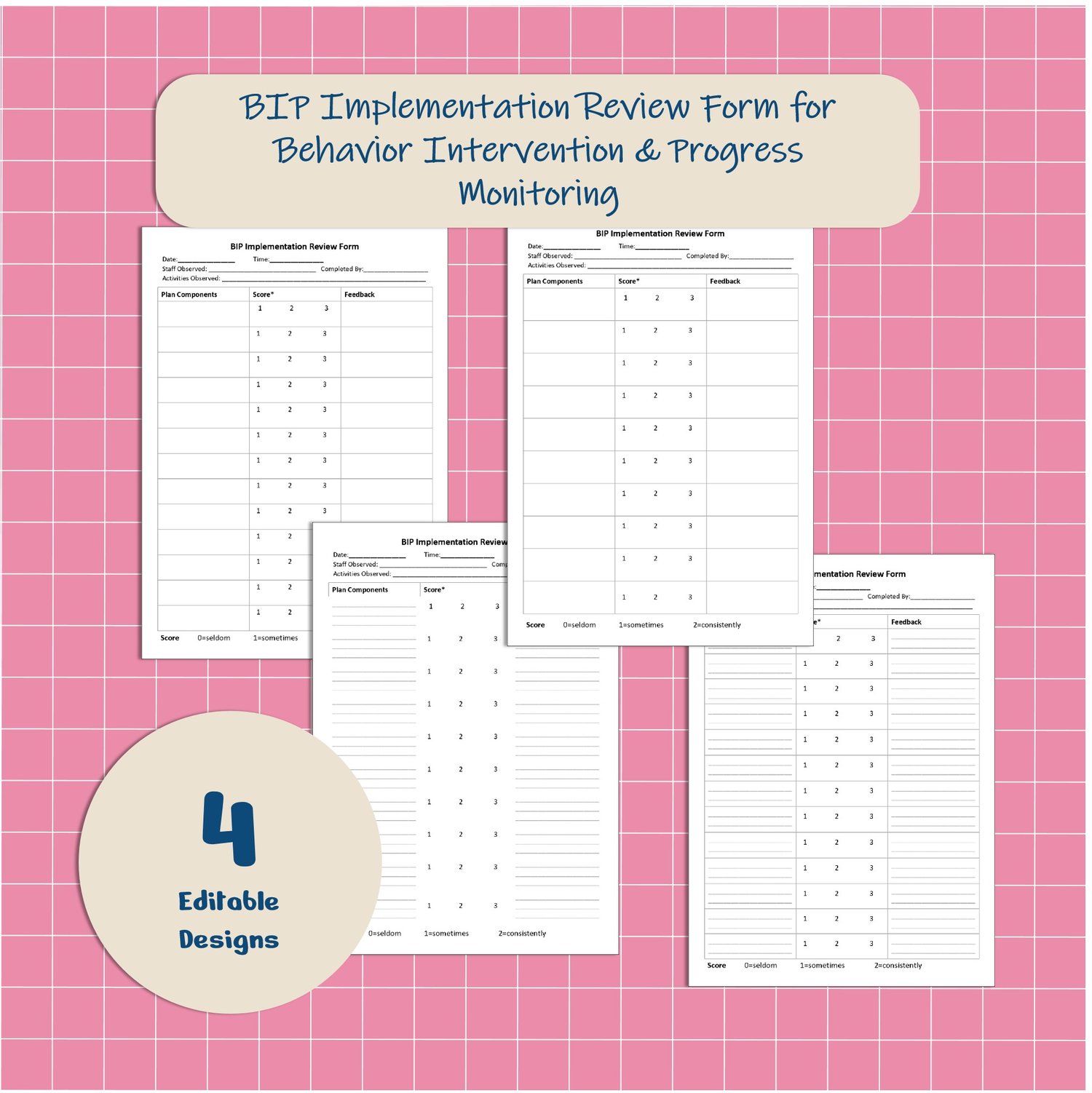
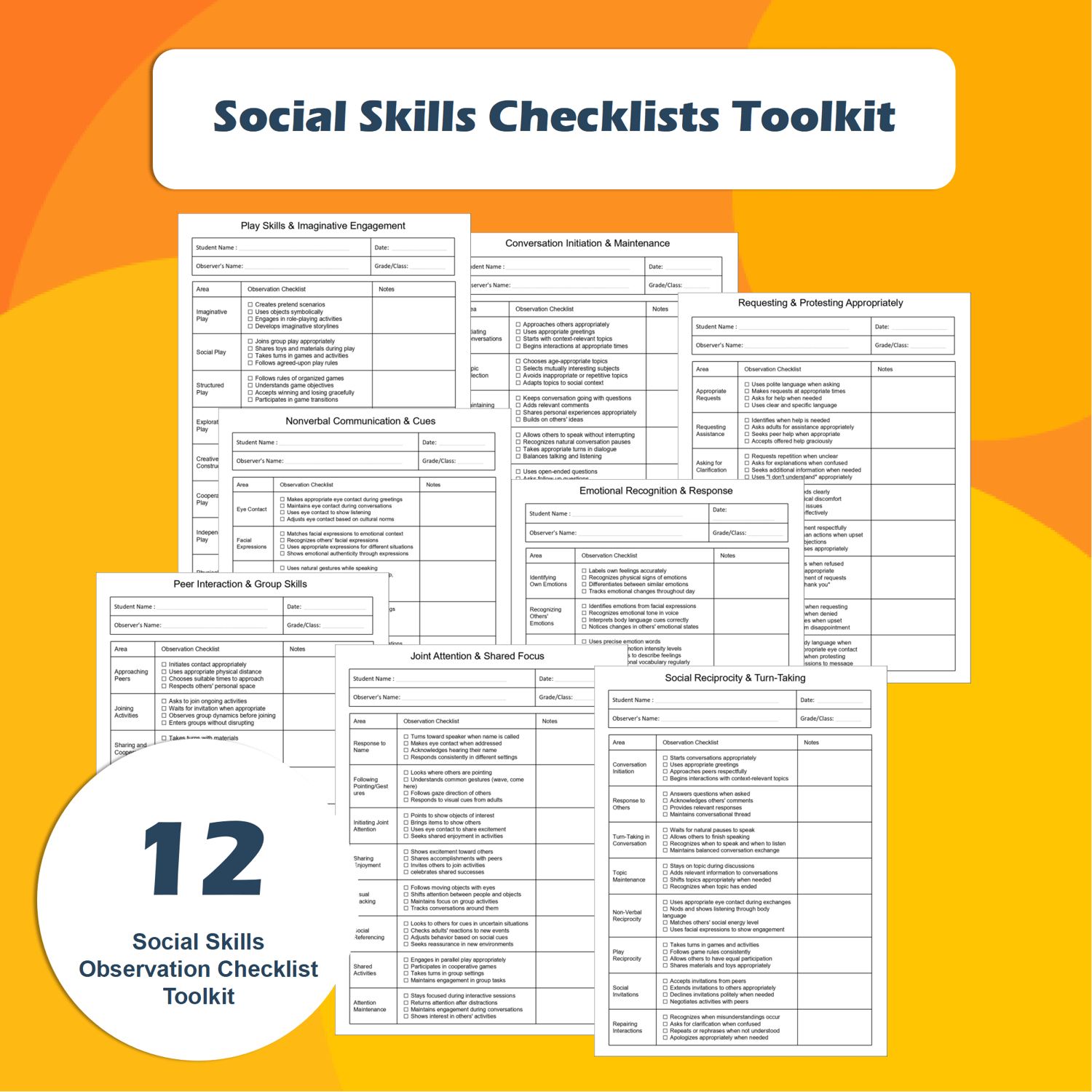
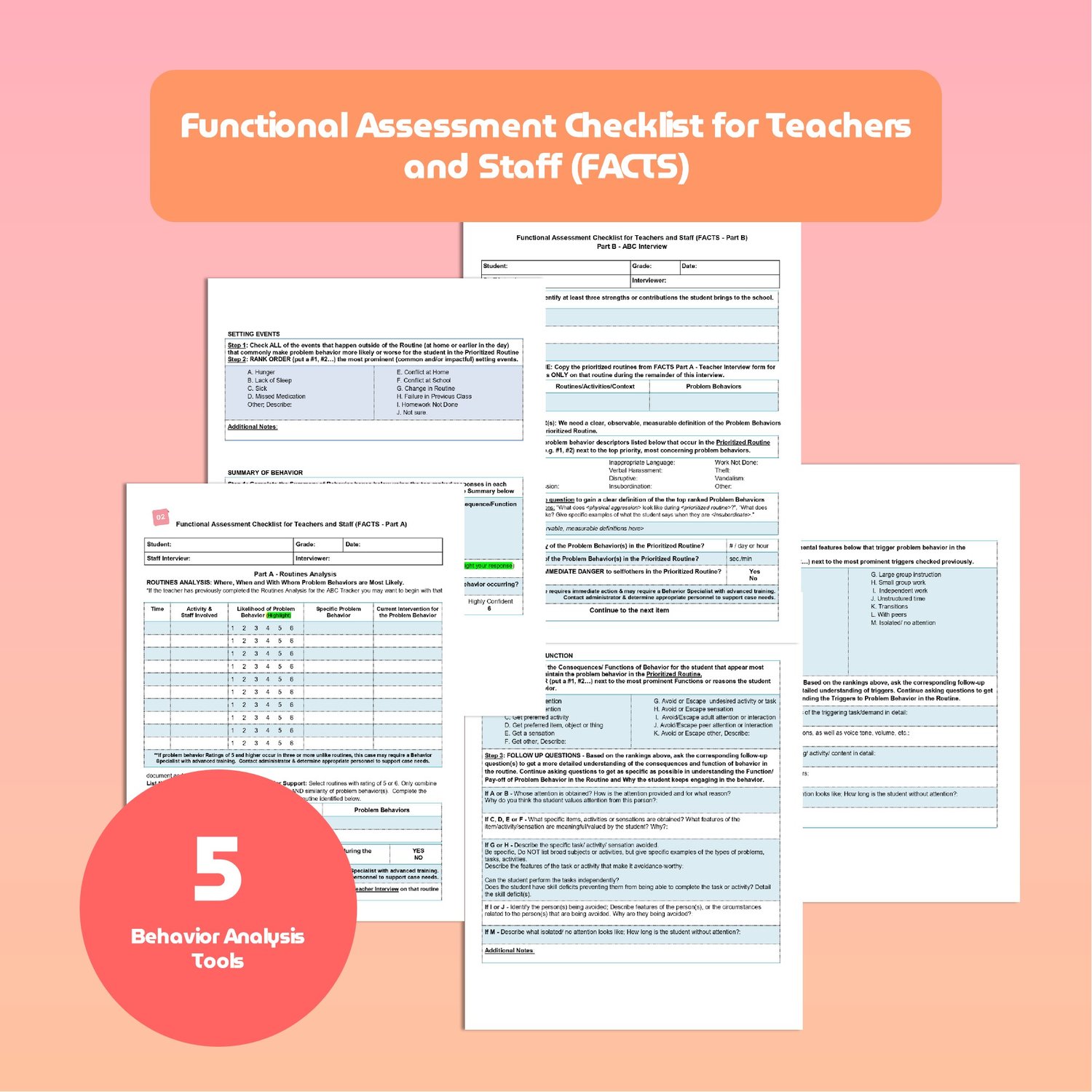
Each checklist includes specific indicators plus space for student name, date, and observer, so you can track over time.
How It Helps You
- Gives you concrete, observable indicators instead of vague descriptions
- Helps you document patterns for the intervention team and parents
- Points you toward the type of support to try next
Ways to Use It
Use the checklists during observation periods, RTI or MTSS meetings, or before a formal evaluation referral. They are screening and support tools, not diagnostic instruments; a diagnosis should come from a qualified professional.
Who It's For
General and special education teachers, school counselors, interventionists, and parents.
Format
PDF (print-ready) and PPTX (editable). Instant download. 20 checklists.
Need more than one?
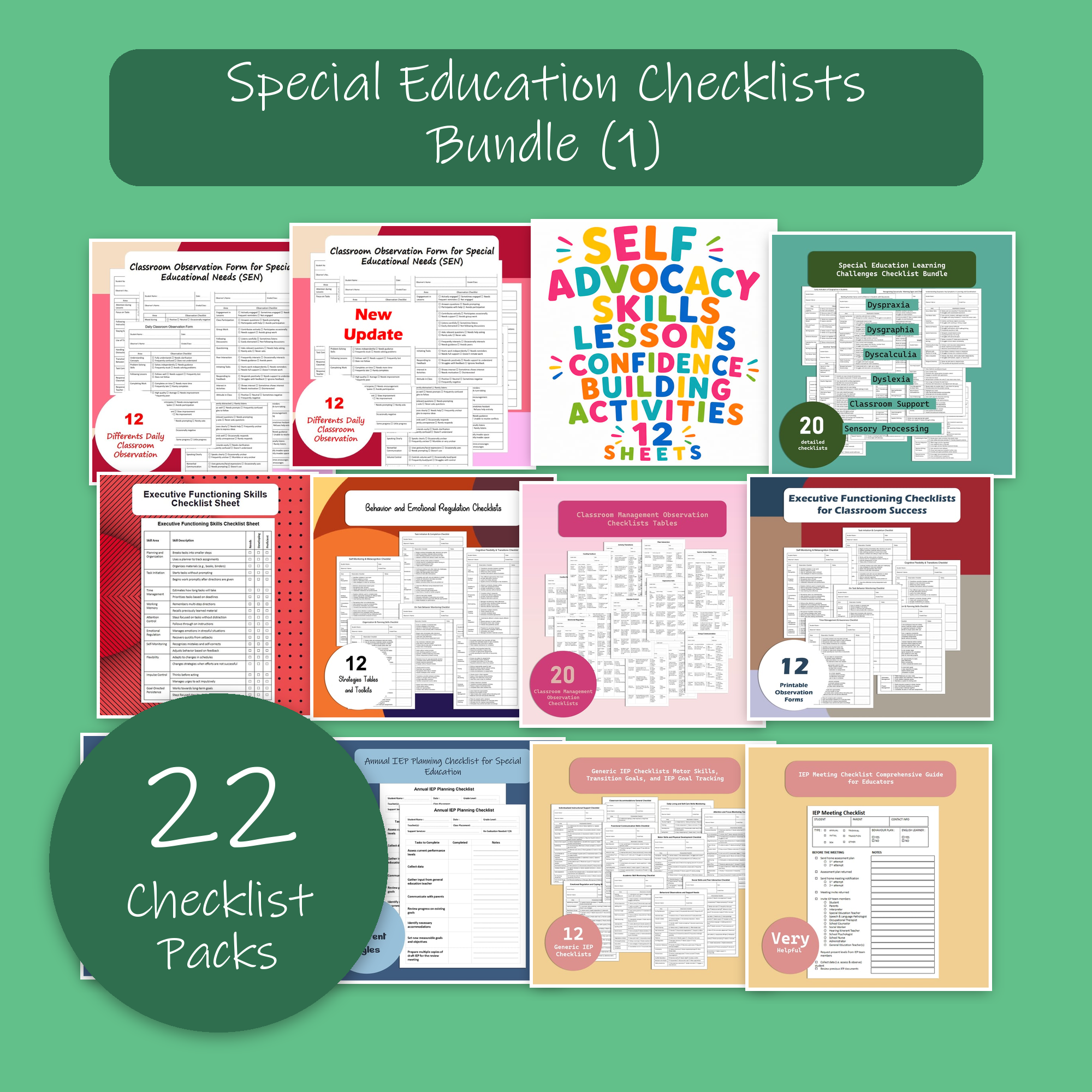
If these checklists help you spot and support learning needs, more are ready in the same collection. The Special Education Checklists Bundle (1) includes this resource and more in one download, and you save 57% compared to buying each item separately.