

Transition Planning for Students with Disabilities
Transition planning covers far more ground than most IEPs show, and a student can easily end up with a post-school plan that sounds good on paper but does not match their skills or interests. This resource helps you recognize an unprepared student, correct an unrealistic plan, and notice low engagement before a student checks out of their own planning process.
What's Inside
- Pattern, Change, and Why tables: 12 pages covering unrealistic post-school plans, lack of student engagement, and reacting to a missed transition goal
- Practical fixes for common gaps: a student who has never had a real job conversation, or a family with overprotective expectations
- Accepting responsibility for poor coordination: dropped referrals, mixed messages, and unclear ownership between agencies
- Coordination systems: clear ways to keep students, families, and outside agencies working from the same information
How It Helps You
- Helps you spot a plan that does not fit the student before it is written into the IEP
- Gives you concrete next steps when a transition goal is missed
- Reduces confusion between school, family, and outside agencies
Ways to Use It
Use the tables when preparing for transition IEP meetings, during case manager check-ins with students, or as a shared reference when coordinating with families and agencies.
Who It's For
Transition coordinators, special education teachers, and case managers working with students preparing for life after high school.
Format
PDF (print-ready) and PPTX (editable). 12 pages of tables. Instant download.
Need more than one?
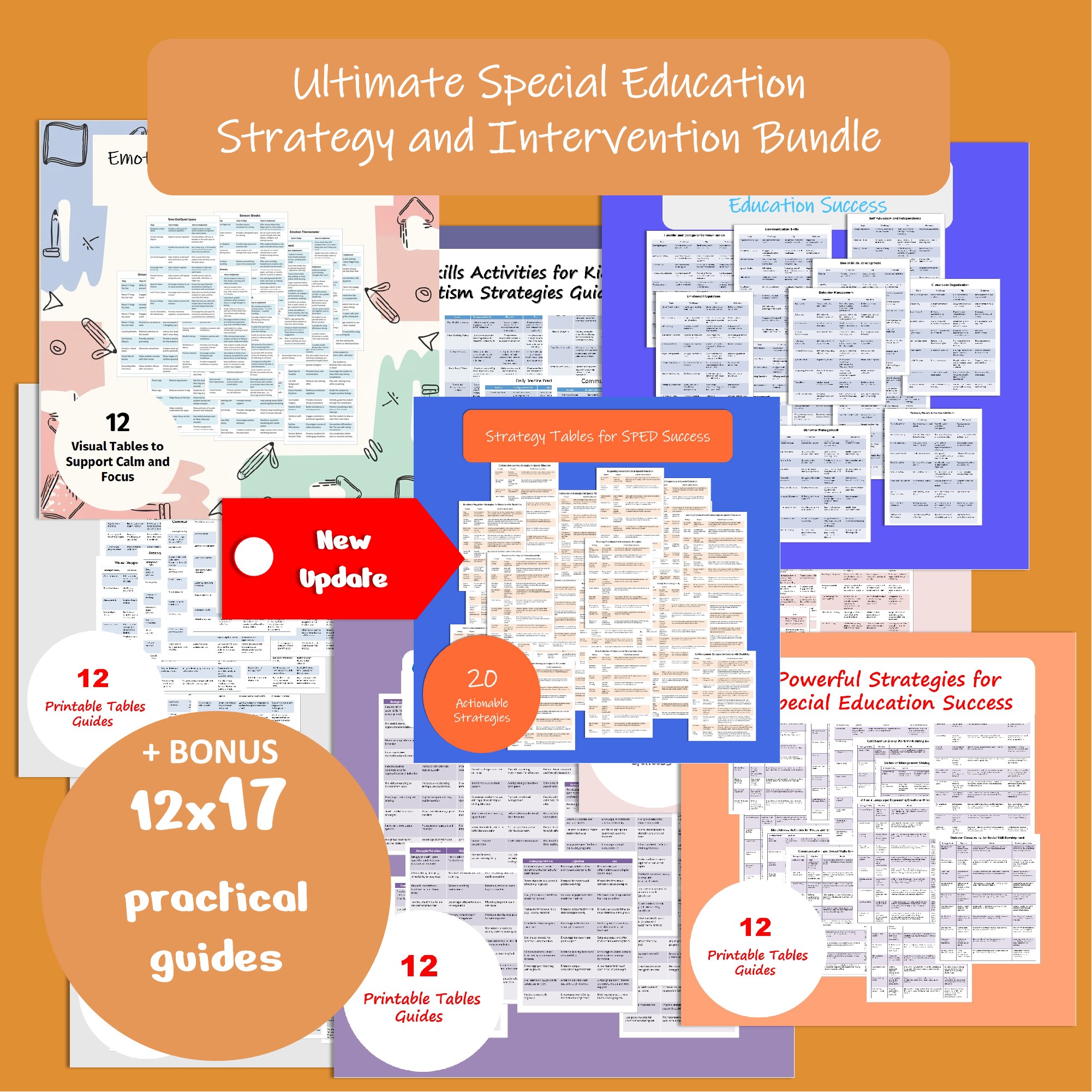
If these Pattern, Change, and Why style tables fit the way you work, there are many more topics to cover. The Special Education Mega Bundle brings together 18 related resources in one download, and you save 31% compared to buying each item separately.