
Emotional Regulation Activities for Students with Visual Impairment and Blindness
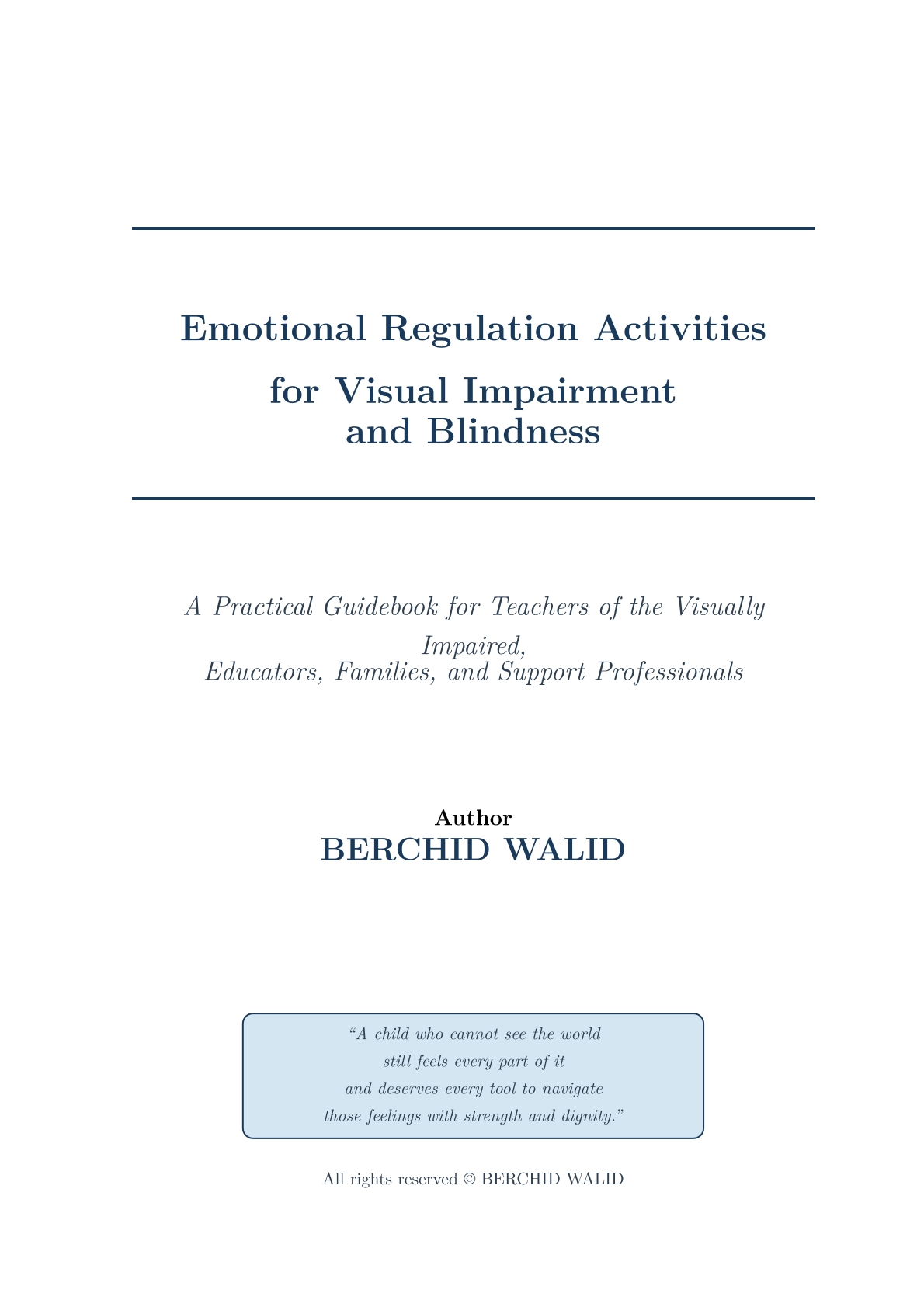
Most emotional regulation tools are built around sight. This 63-page guide offers accessible, non-visual strategies that help students who are blind or have low vision name their feelings, calm their bodies and build resilience with dignity and independence, with notes on adapting for low vision versus total blindness.
What's Inside
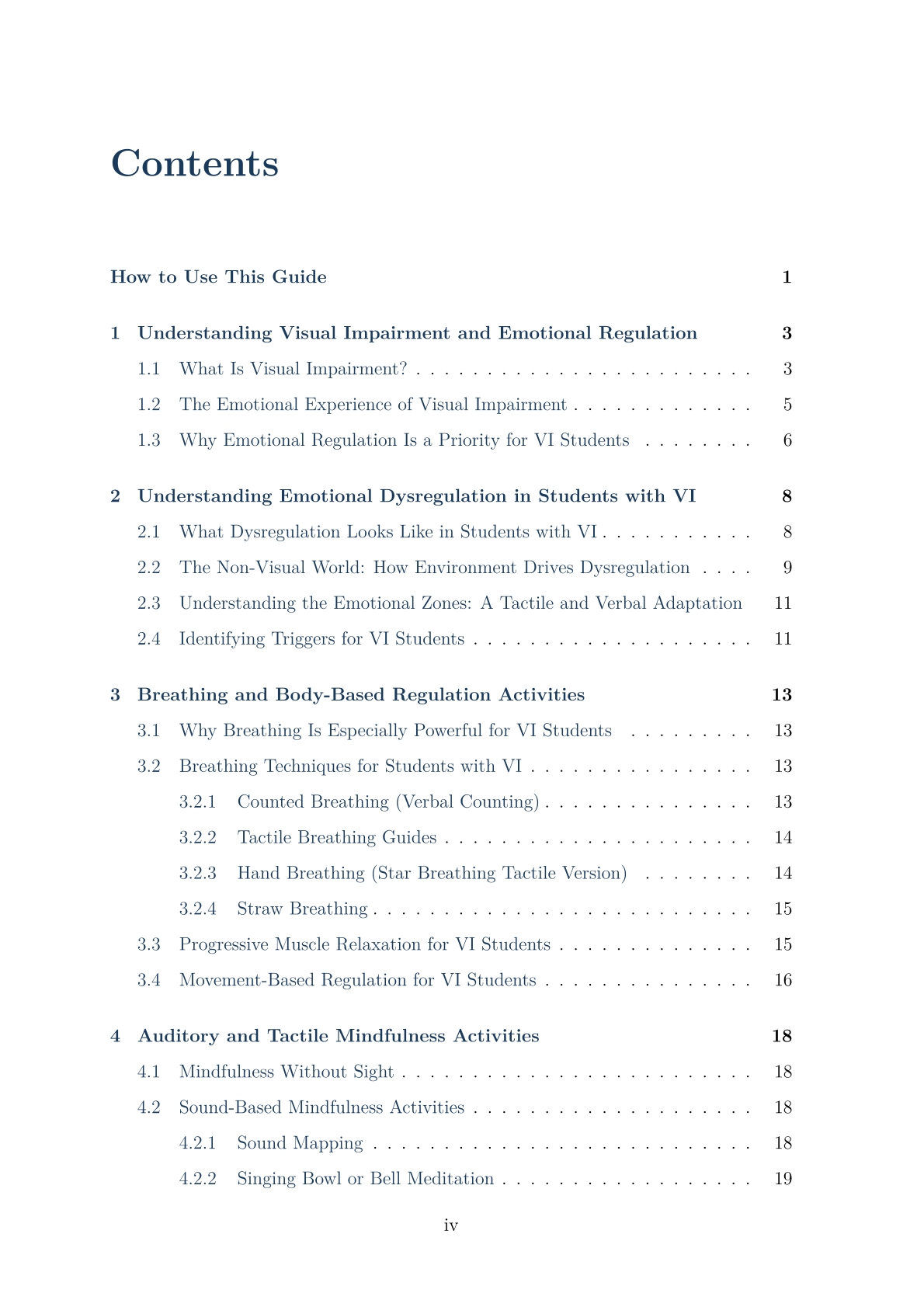
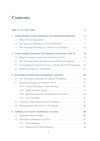
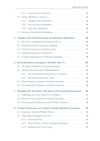
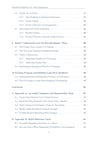
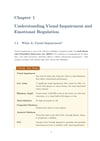
- Visual impairment and emotion: what dysregulation looks like and how a non-visual environment can drive it
- Emotional zones: a tactile and verbal adaptation, plus trigger identification
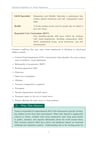
- Breathing and body-based activities: counted breathing, tactile breathing guides, hand breathing, straw breathing, progressive muscle relaxation and movement
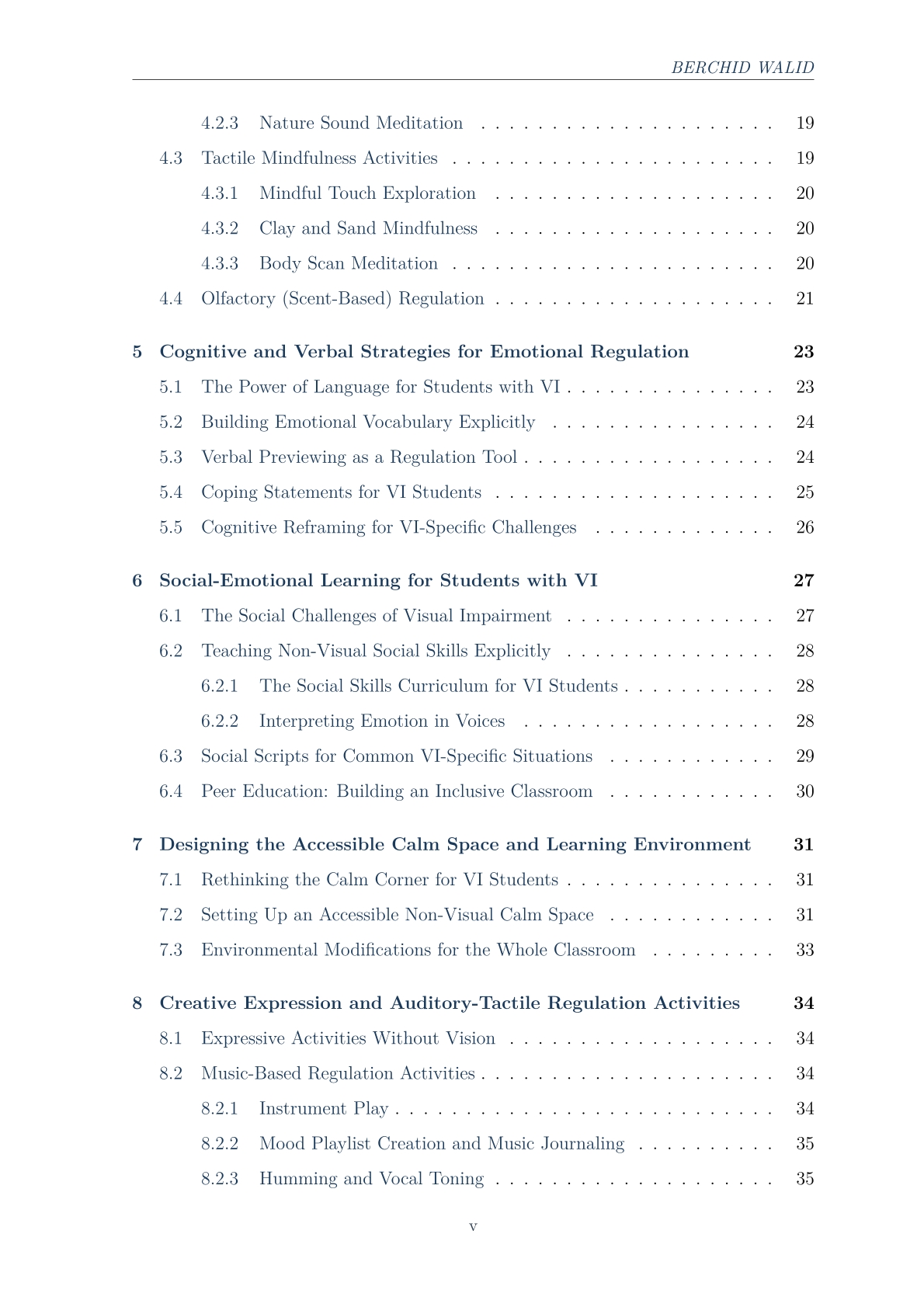
- Auditory and tactile mindfulness: sound mapping, singing bowl meditation, nature sounds, mindful touch, clay and sand, body scan and scent-based regulation
- Cognitive and verbal strategies: emotional vocabulary, verbal previewing, coping statements and reframing
- Social-emotional learning: non-visual social skills, interpreting emotion in voices, social scripts and peer education
- Accessible non-visual calm space and classroom adaptations
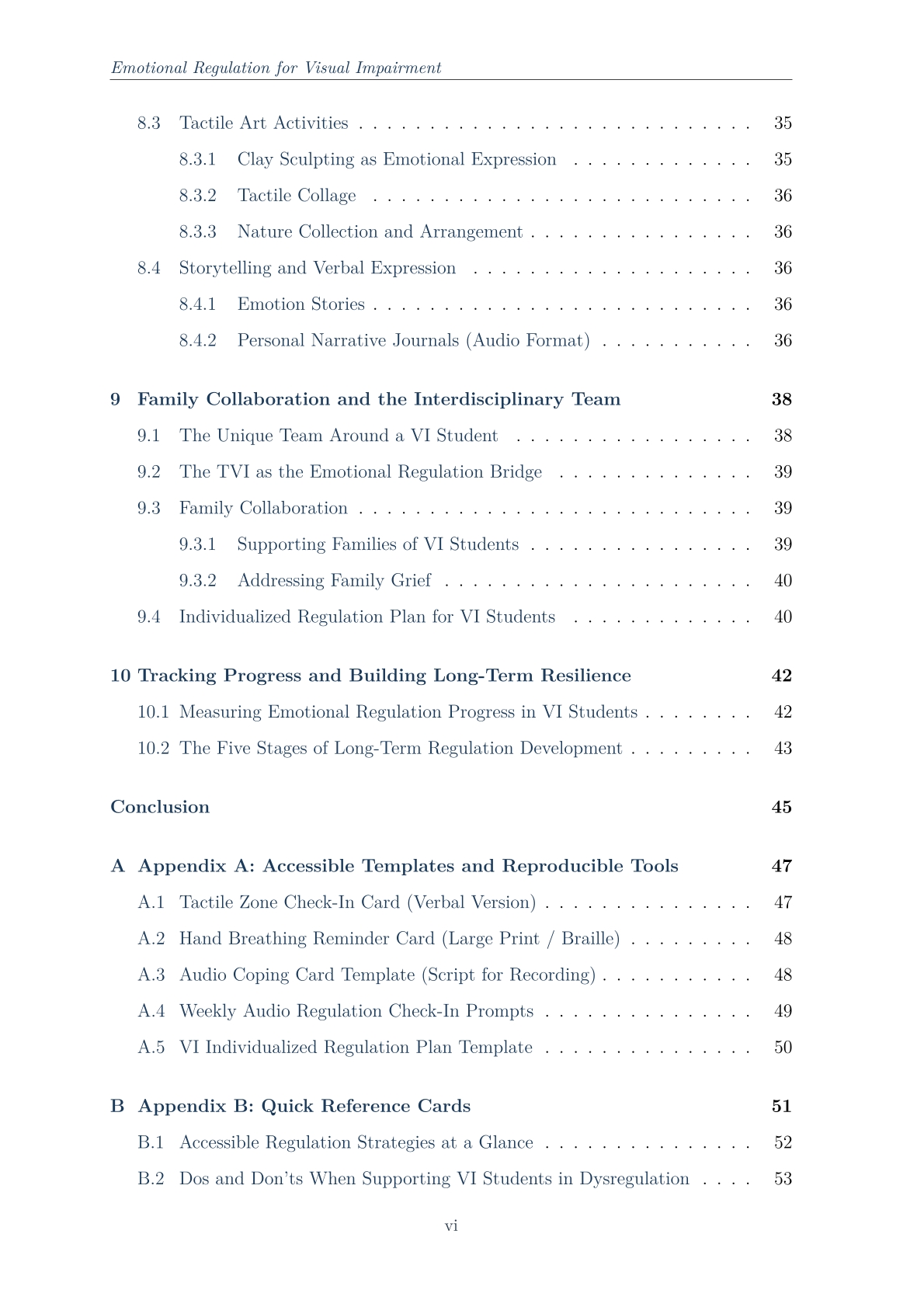
- Creative expression without sight: instrument play, mood playlists, humming and vocal toning, clay sculpting, tactile collage, emotion stories and audio journals
- Family collaboration: the TVI's role and an Individualized Regulation Plan
- Progress tracking: the Five Stages of Long-Term Regulation Development
- Accessible templates: Tactile Zone Check-In Card, Hand Breathing Reminder Card (large print and braille), Audio Coping Card script, weekly audio check-in prompts and a VI Individualized Regulation Plan
- Quick reference cards, dos and don'ts, case studies, reflection questions and checklists
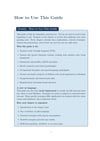
How It Helps You
- Every strategy works without relying on sight
- Templates come in large print and braille-ready versions
- Step-by-step activities you can use right away
Ways to Use It
Use it in TVI sessions, inclusive classrooms, resource rooms, orientation and mobility programs, school counseling and at home.
Who It's For
TVIs, special education teachers, O&M specialists, school counselors, OTs, SLPs, paraprofessionals and parents.
Format
63-page guide with accessible templates. Instant download.
Need more than one?
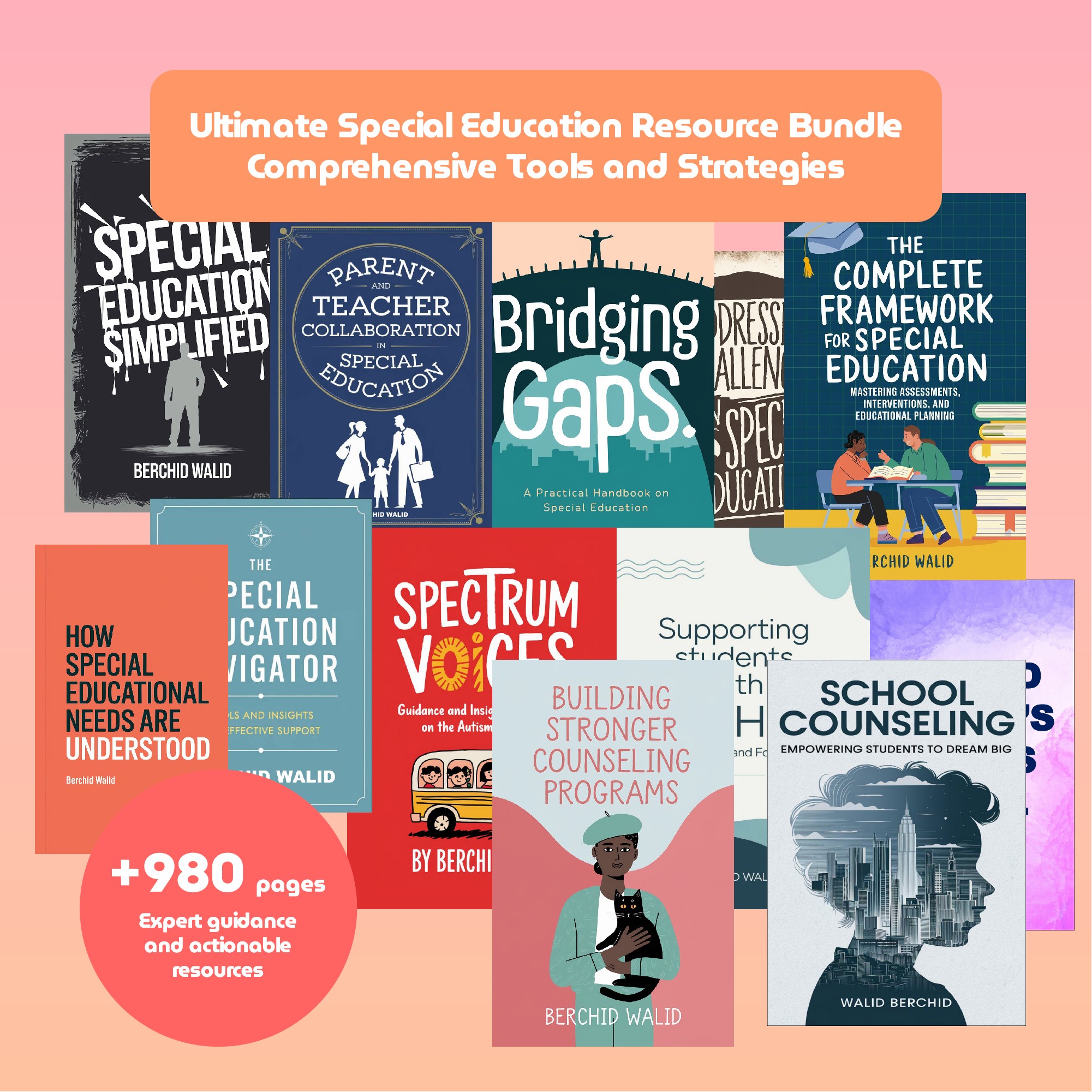
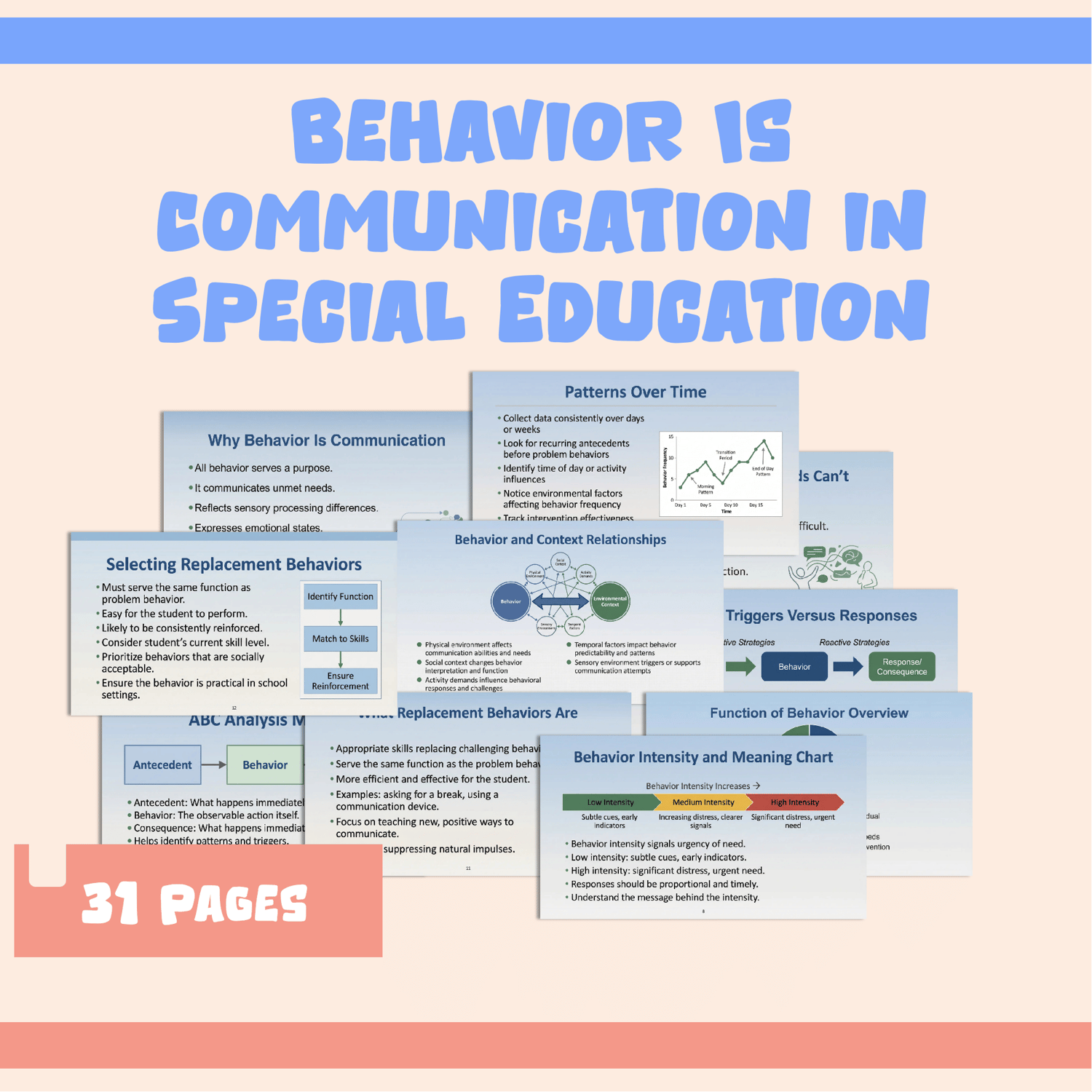
For more in-depth professional guides like this one, the guides collection covers many other special education topics. The Special Education Guides Bundle brings together 31 related resources in one download, and you save 80% compared to buying each item separately.