
Transition Skills for Ages 14–22: Preparing Students for Life After School
On Sale
$5.00
(25% off)
$3.75
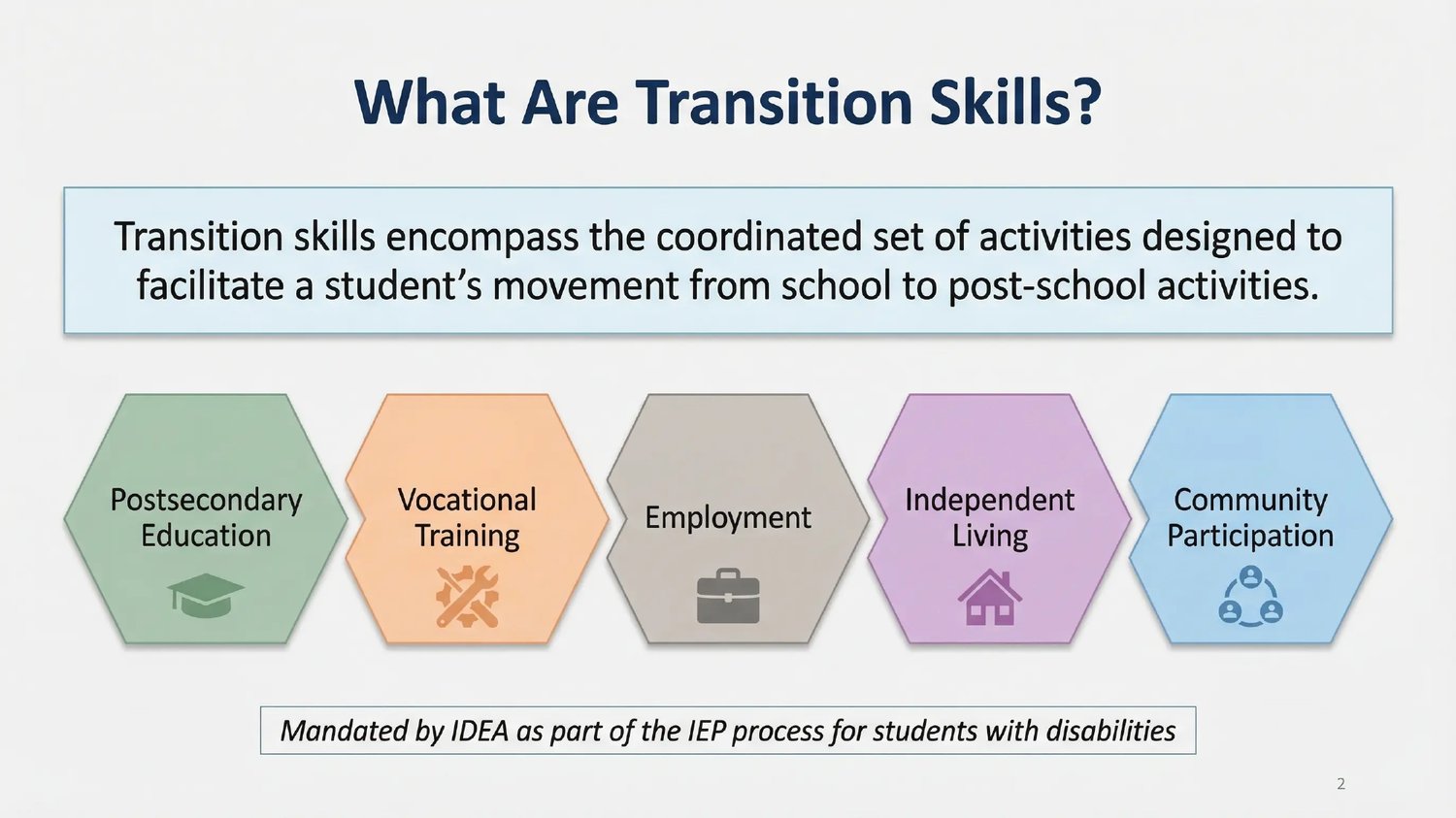
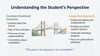
Transition planning works best when it starts early and is led by the student. This resource gives educators a framework for guiding students ages 14-22 from high school into adult life, from education pathways to independent living.
What's Inside
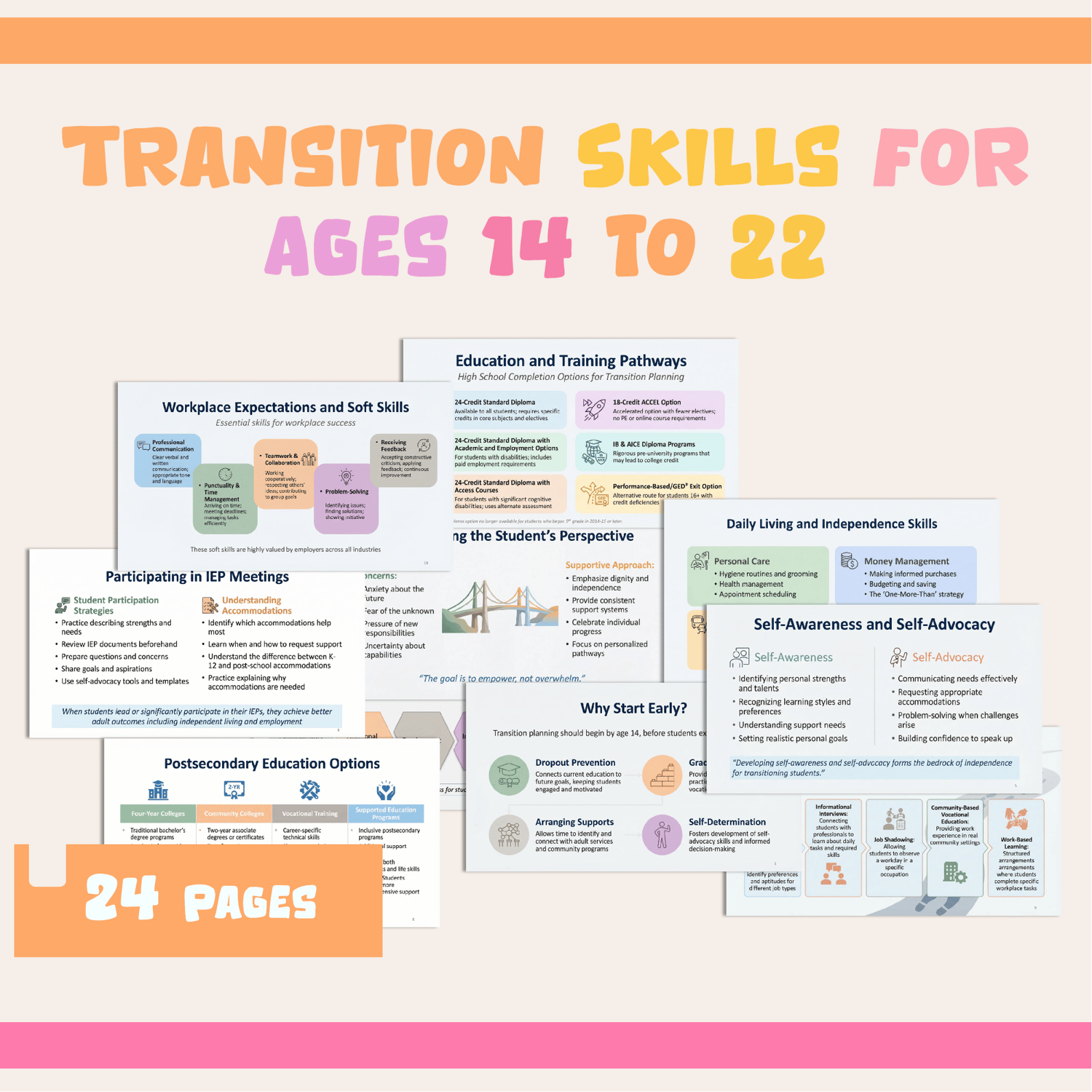
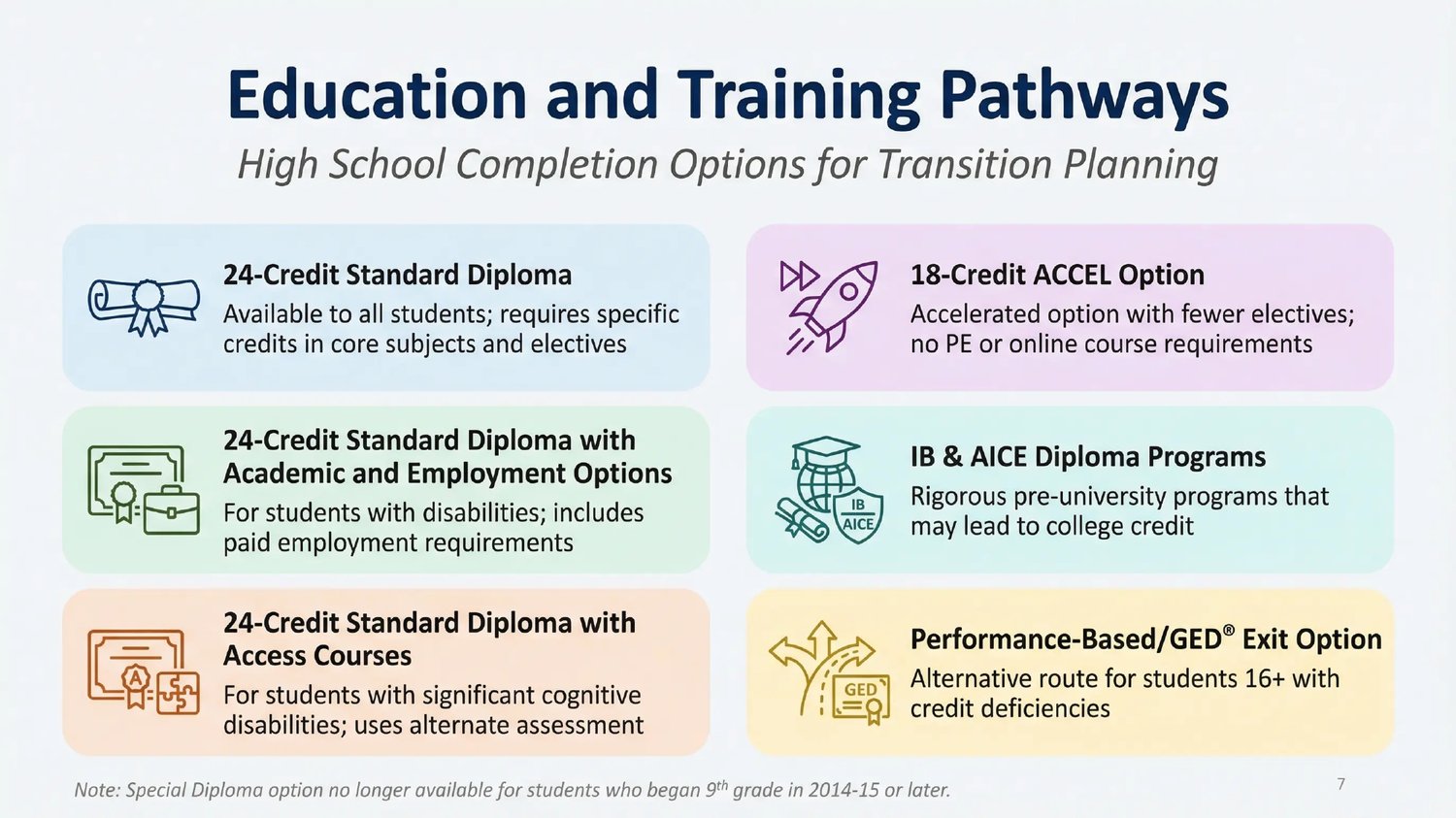
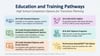
- An Education and Training Pathways overview of high school completion options for transition planning
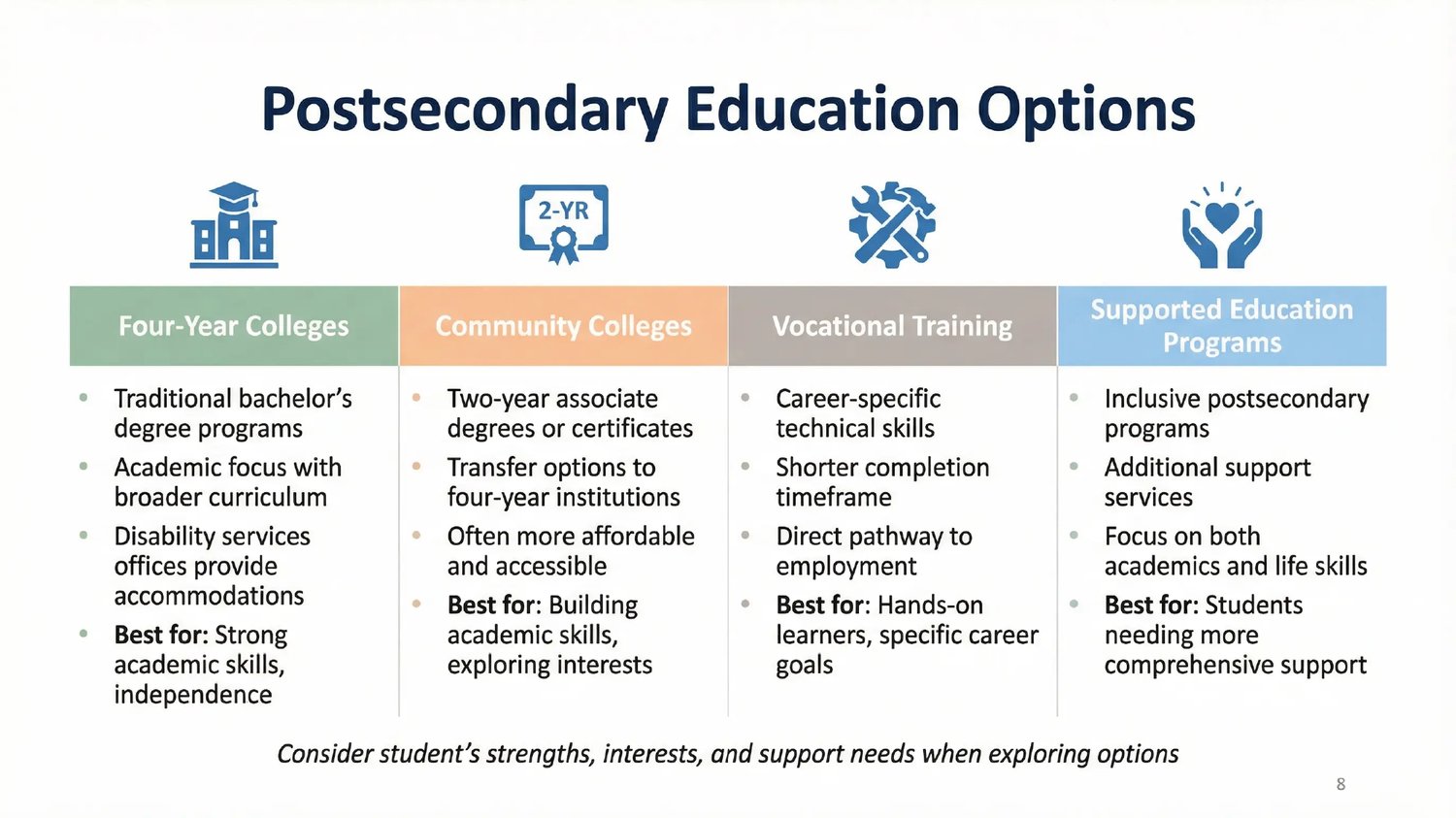
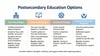
- A Postsecondary Education Options comparison (four-year colleges, community colleges, vocational training, supported education)
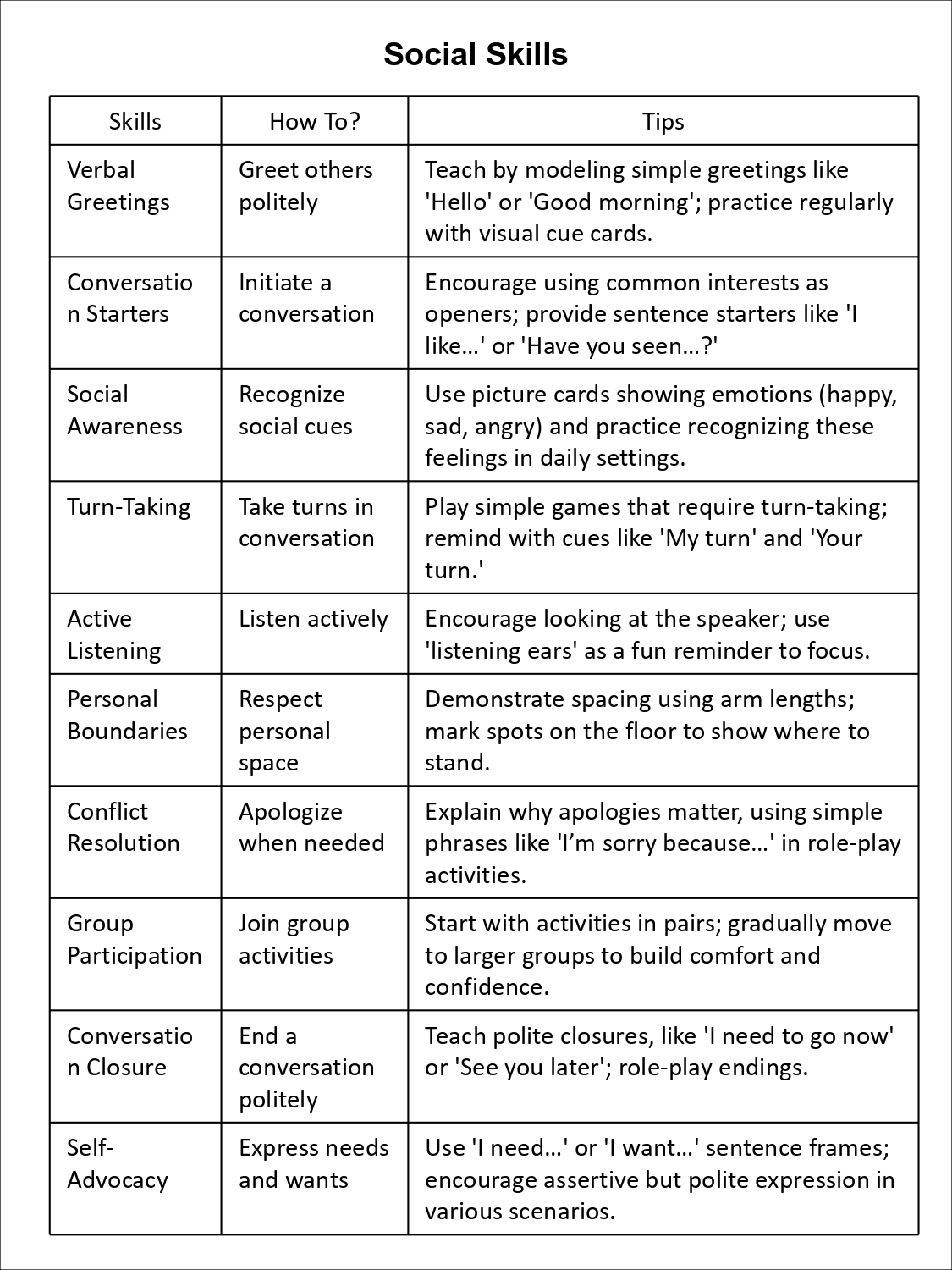
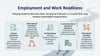
- Workplace Expectations and Soft Skills essential for job success
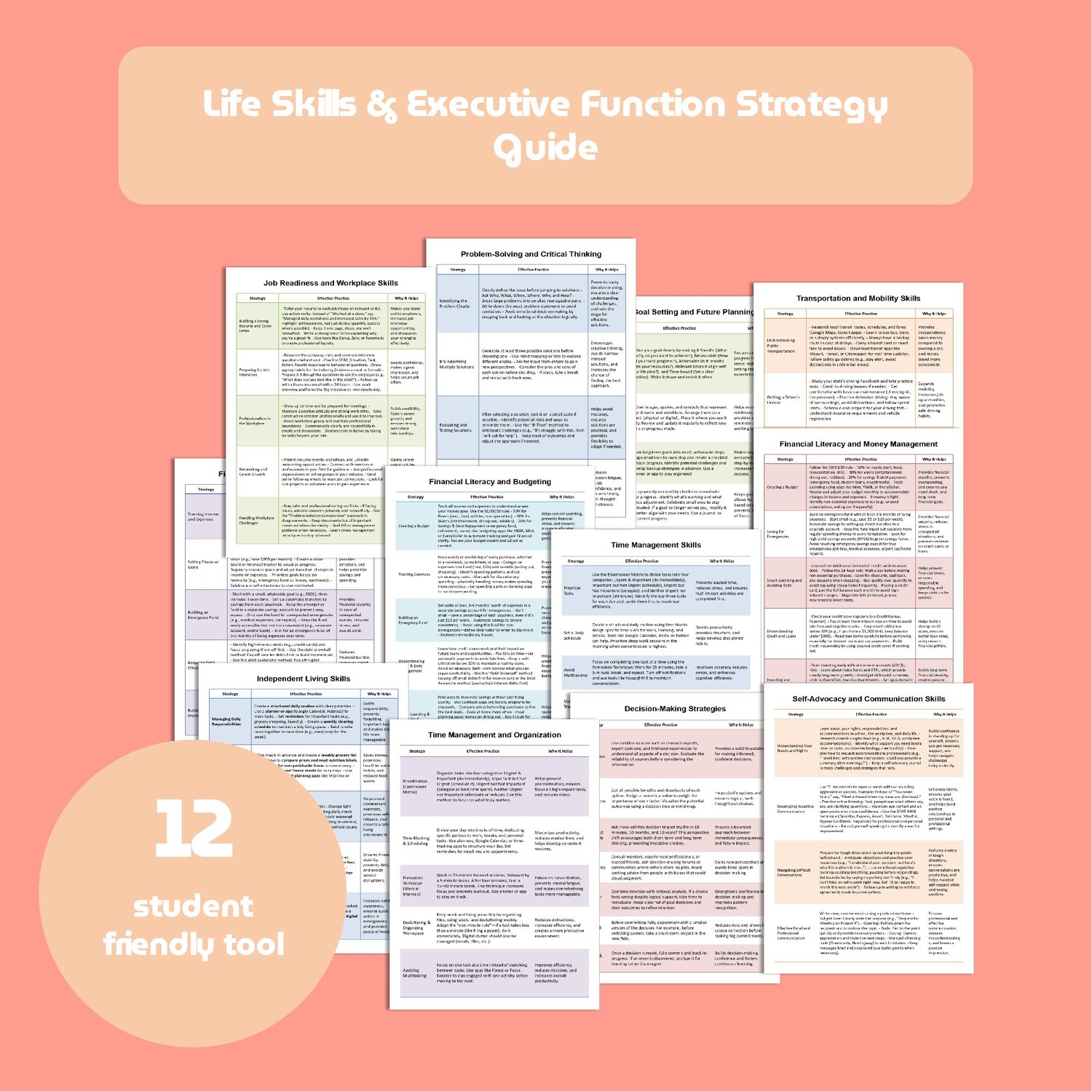
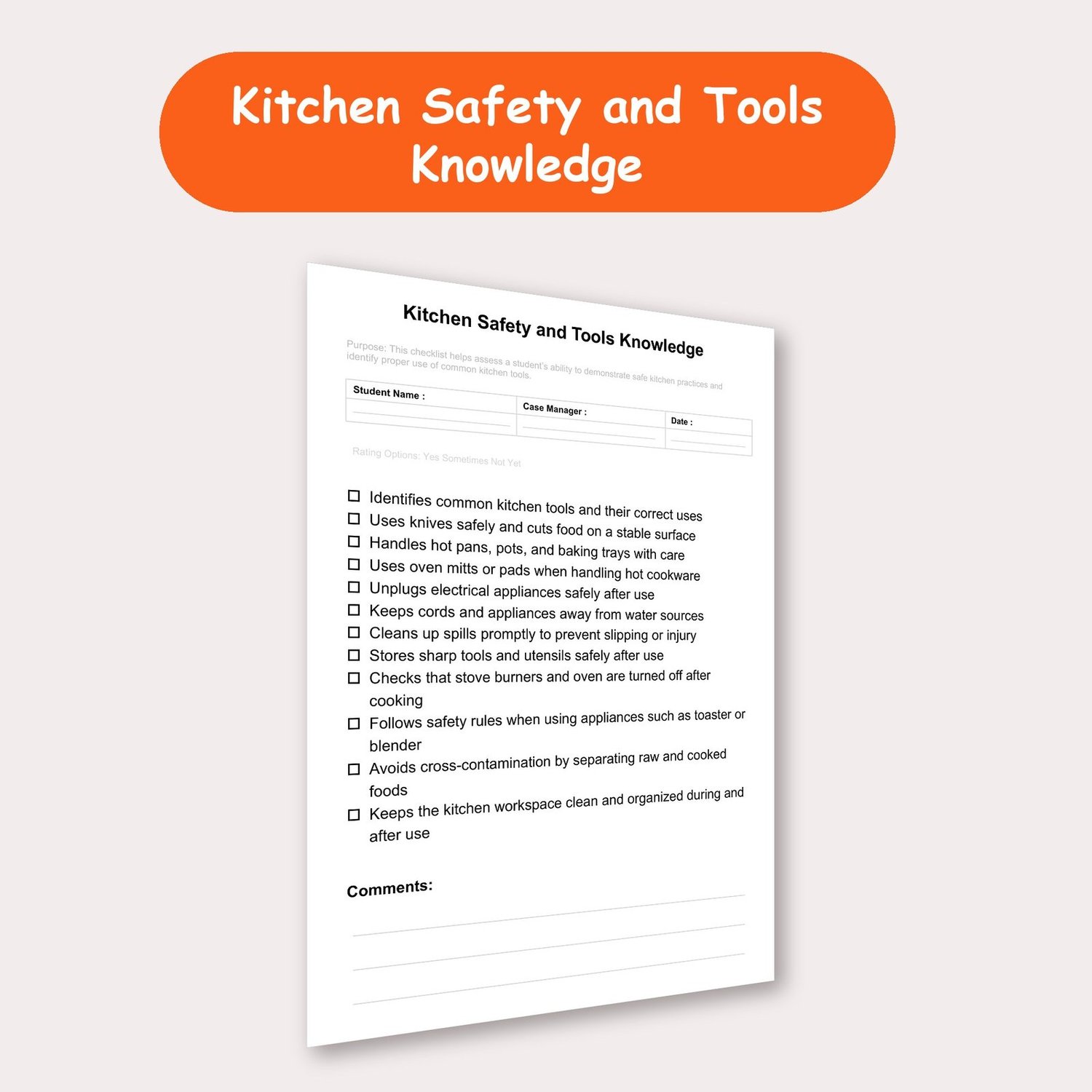
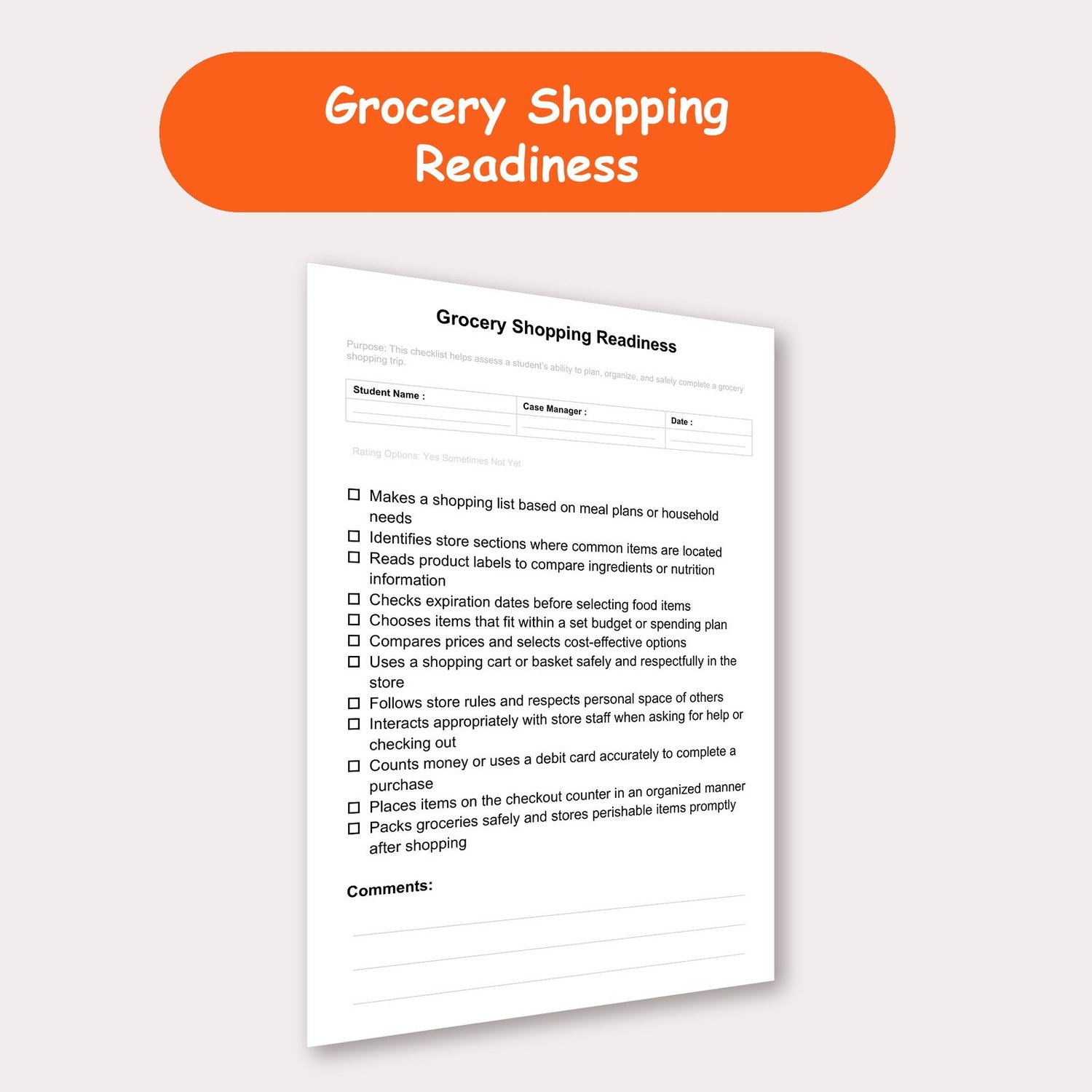
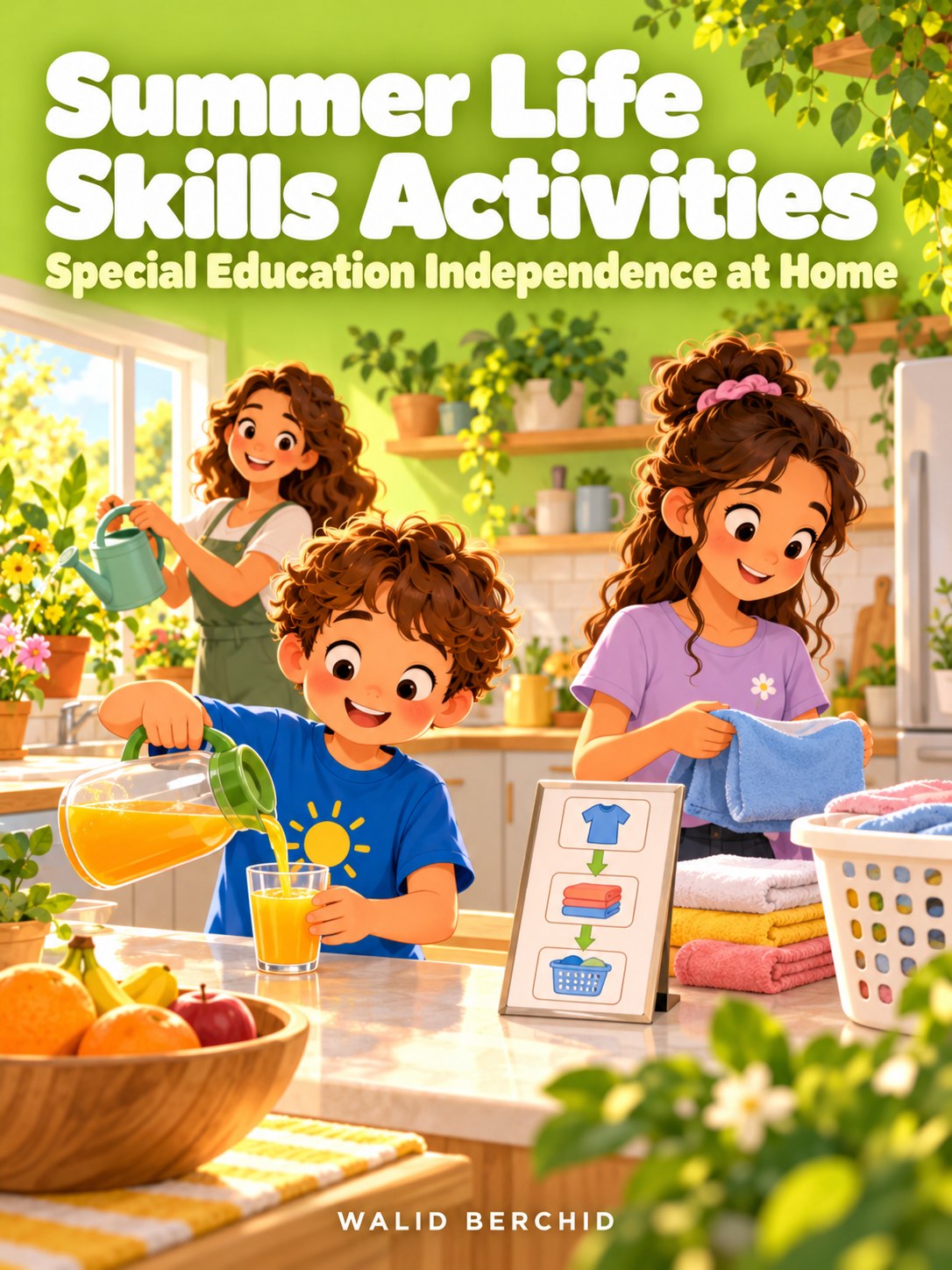
- Daily Living and Independence Skills, including personal care and money management
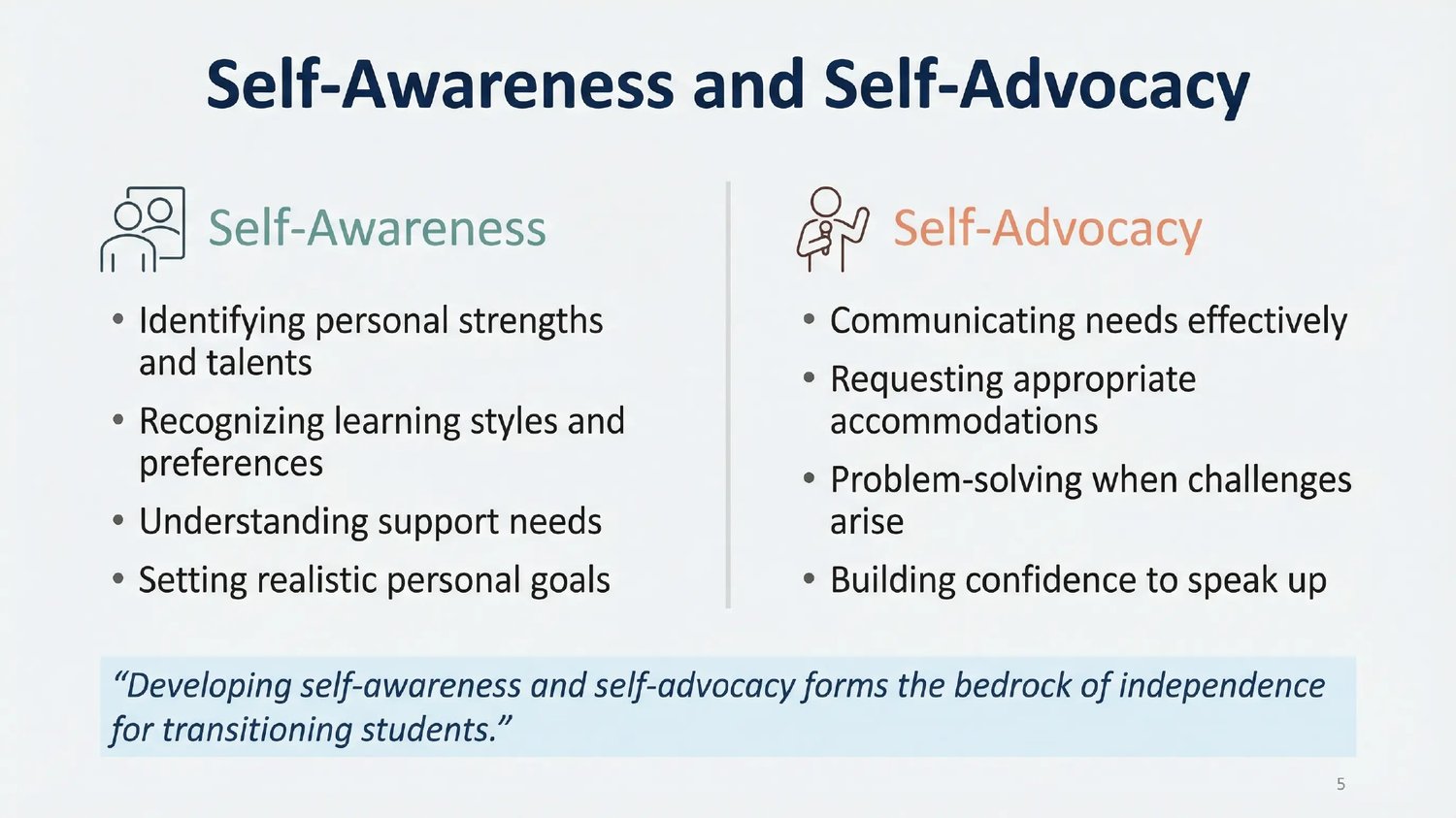
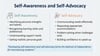
- A Self-Awareness and Self-Advocacy framework
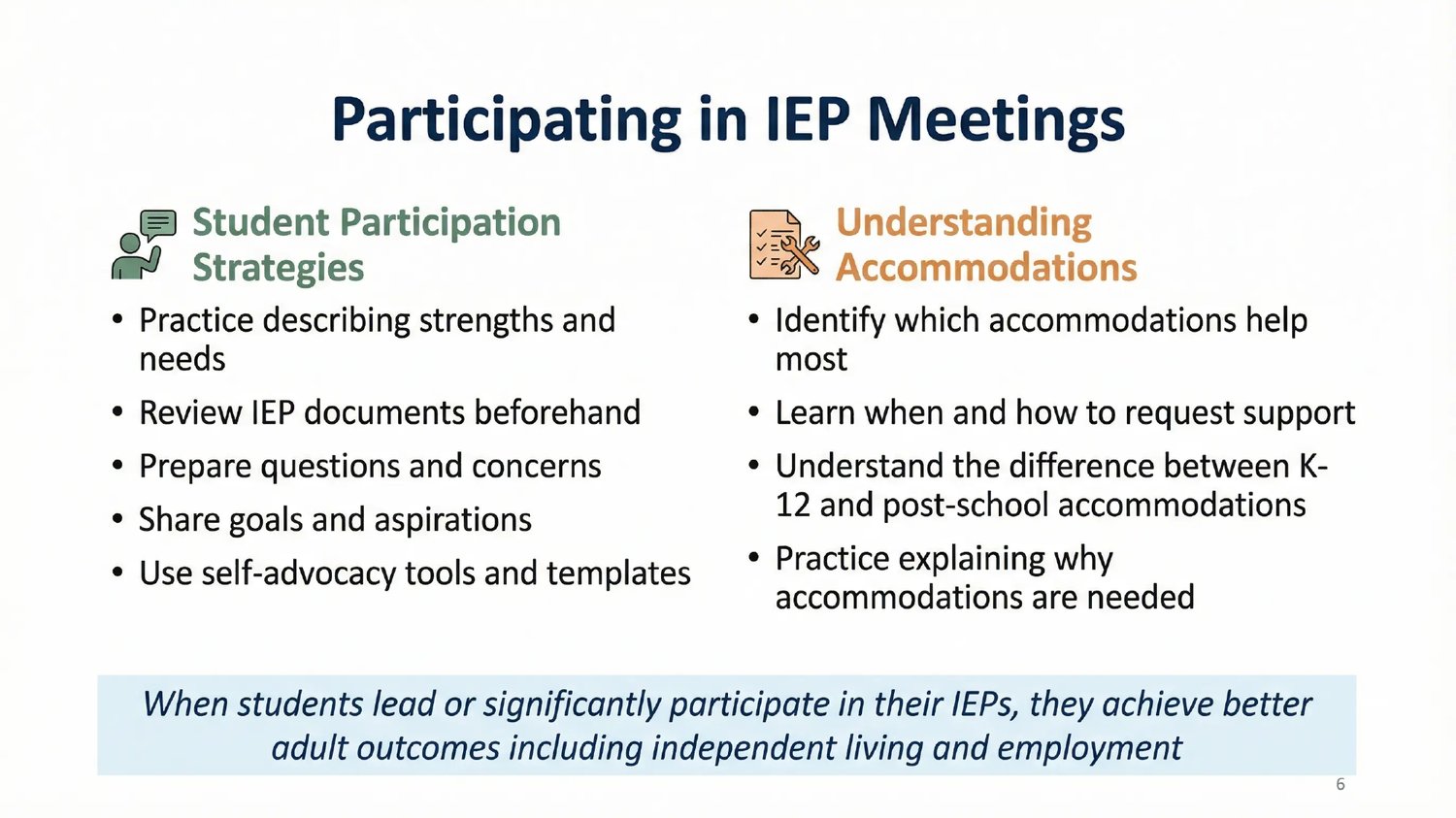
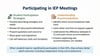
- Guidance on participating in IEP meetings and understanding accommodations
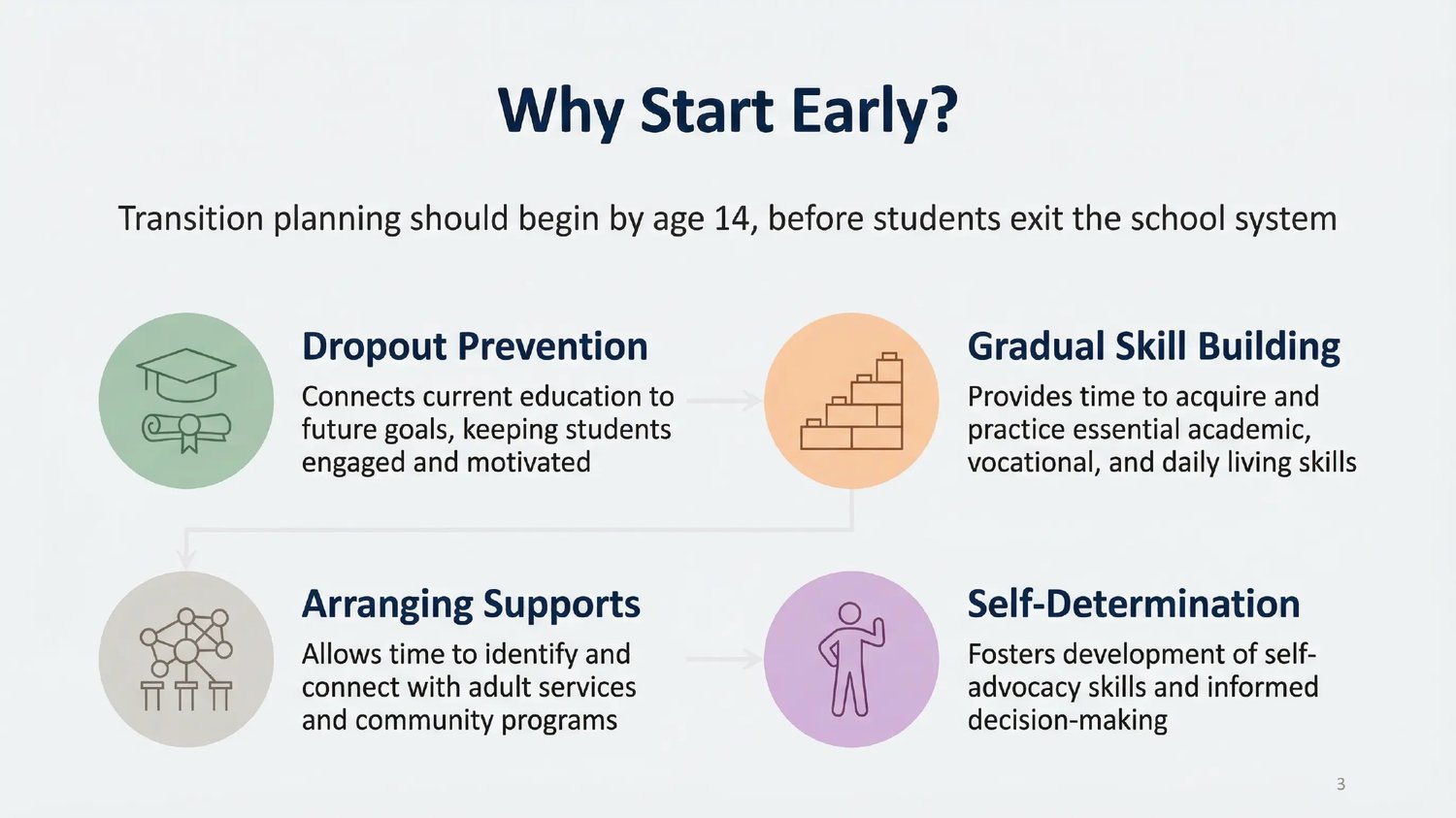
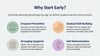
- A "Why Start Early?" rationale for beginning transition planning by age 14
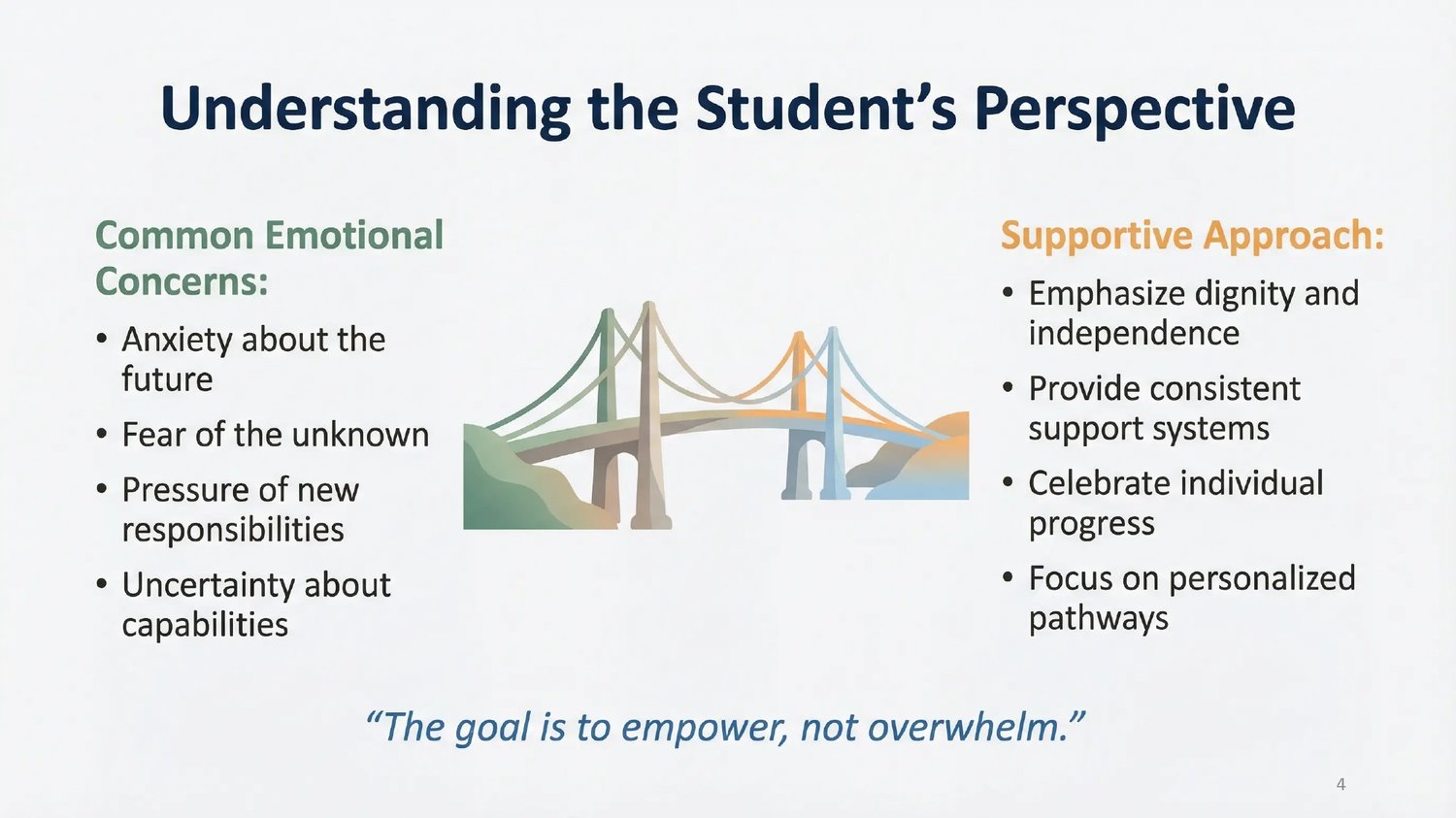
- Strategies for coping with change and transitions, including normalizing feelings and encouraging autonomy
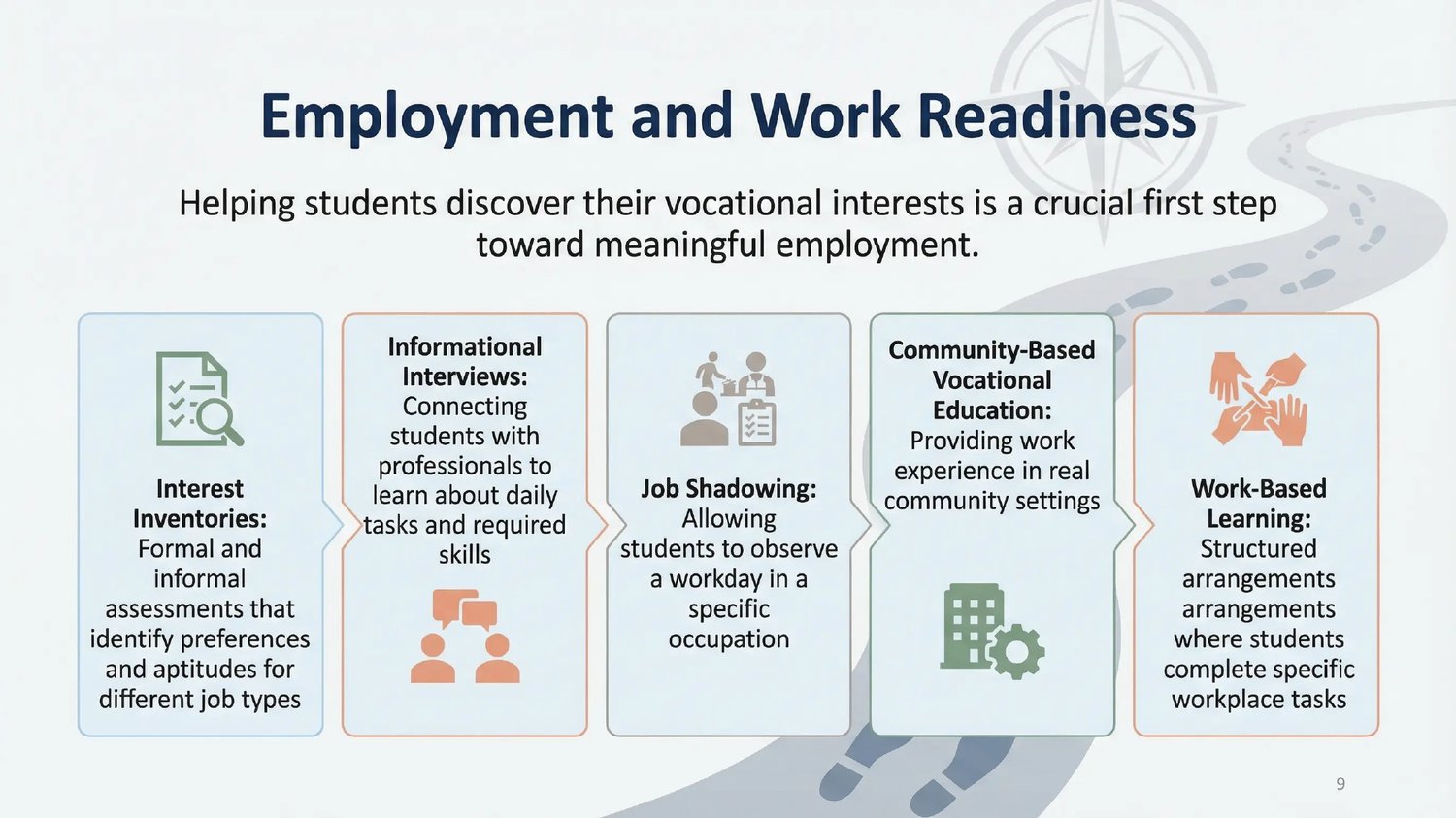
- Work-based learning options like job shadowing, informational interviews, and community-based vocational education
How It Helps You
- Covers education, employment, and daily living in one framework
- Supports student self-advocacy and IEP participation
- Helps reduce anxiety about change with practical strategies
Ways to Use It
Use it in transition classes, transition IEP planning, or staff training.
Who It's For
Special education teachers, transition coordinators, case managers, and school teams supporting students ages 14-22.
Format
Digital guide. Instant download.
Need more than one?
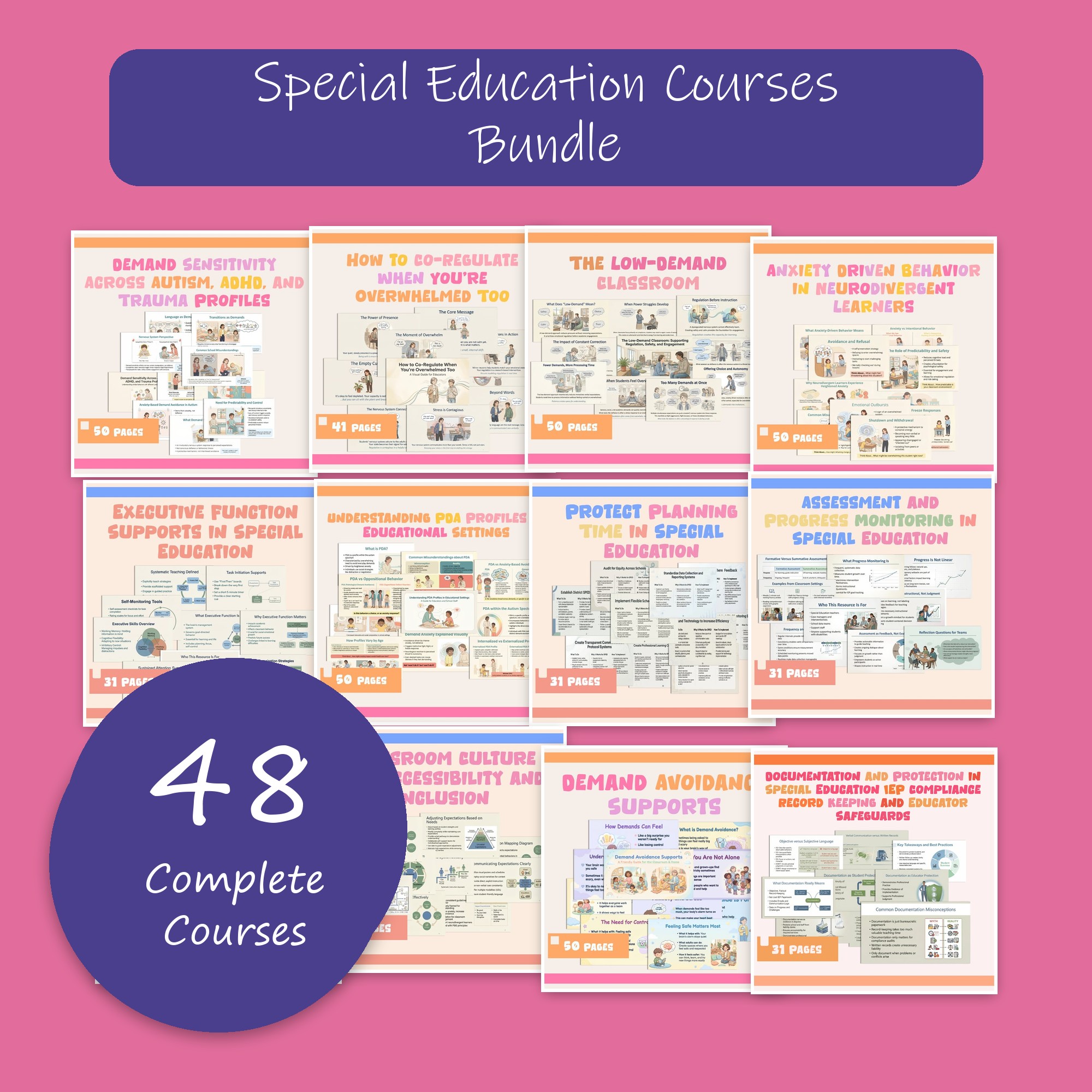
If you use professional development resources with your team, this course fits alongside many others on special education practice. The Special Education Courses Bundle includes this resource and more in one download, and you save 66% compared to buying each item separately.