
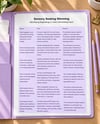
OT Guide to Functional vs. Non-Functional Stimming
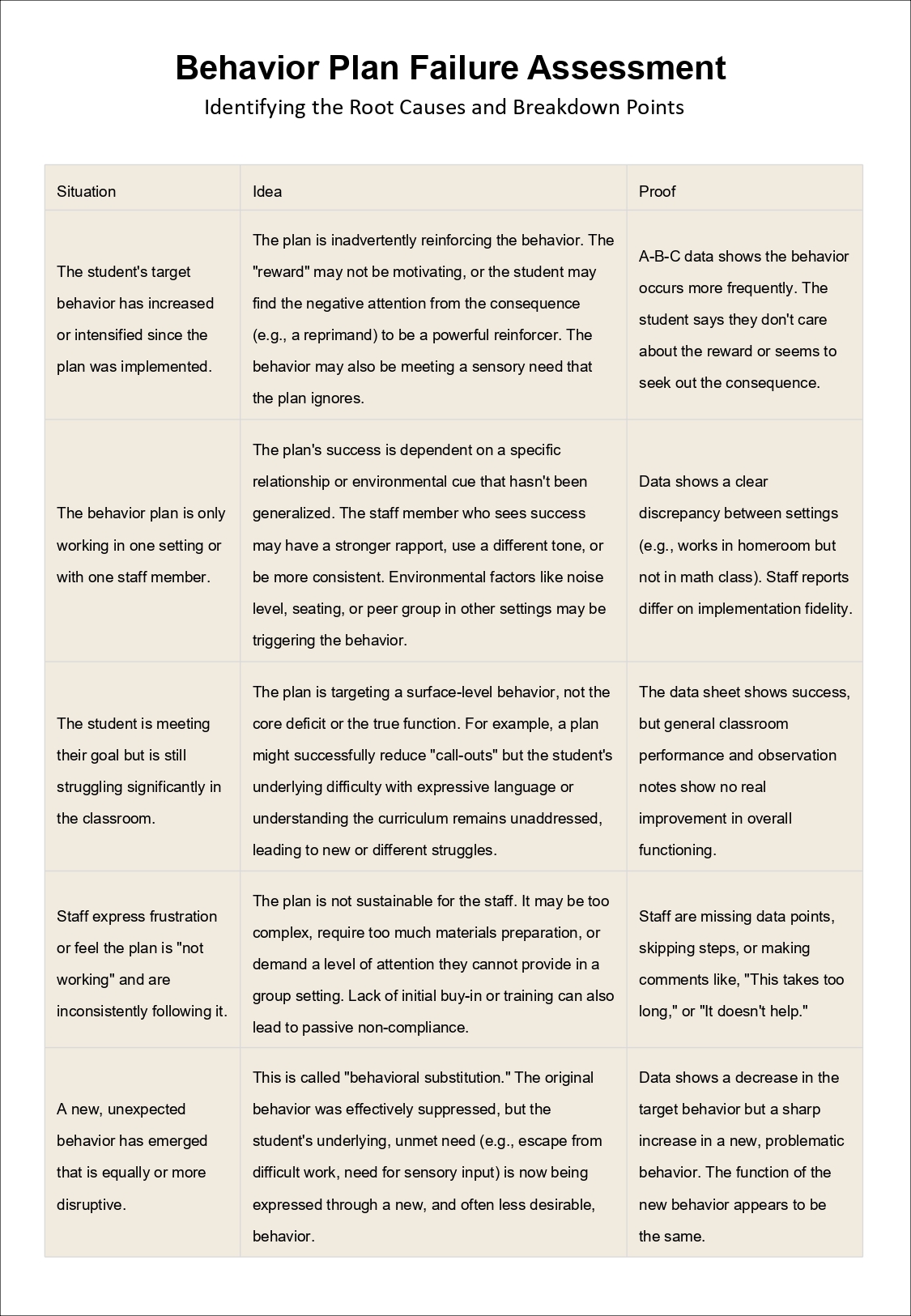
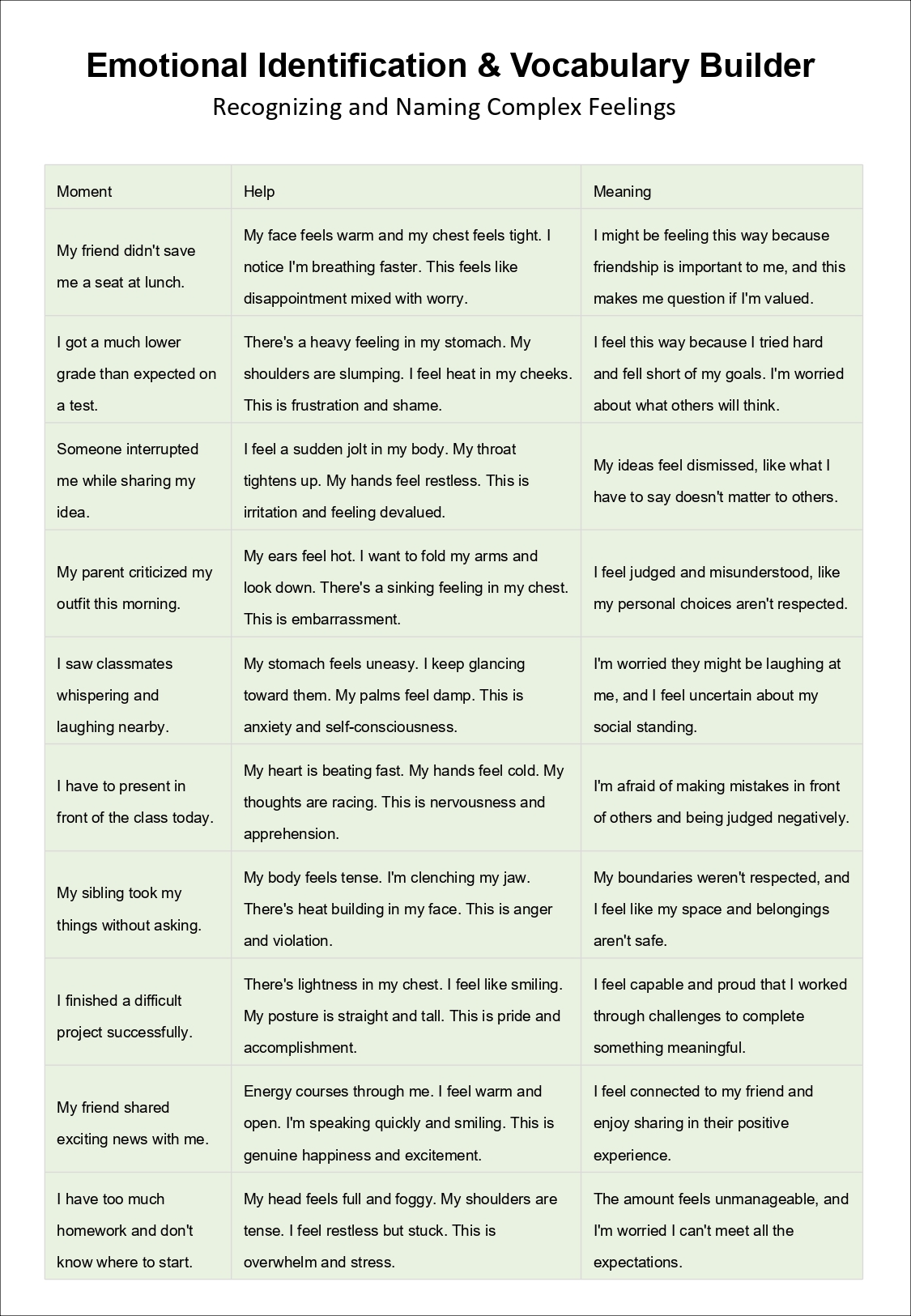
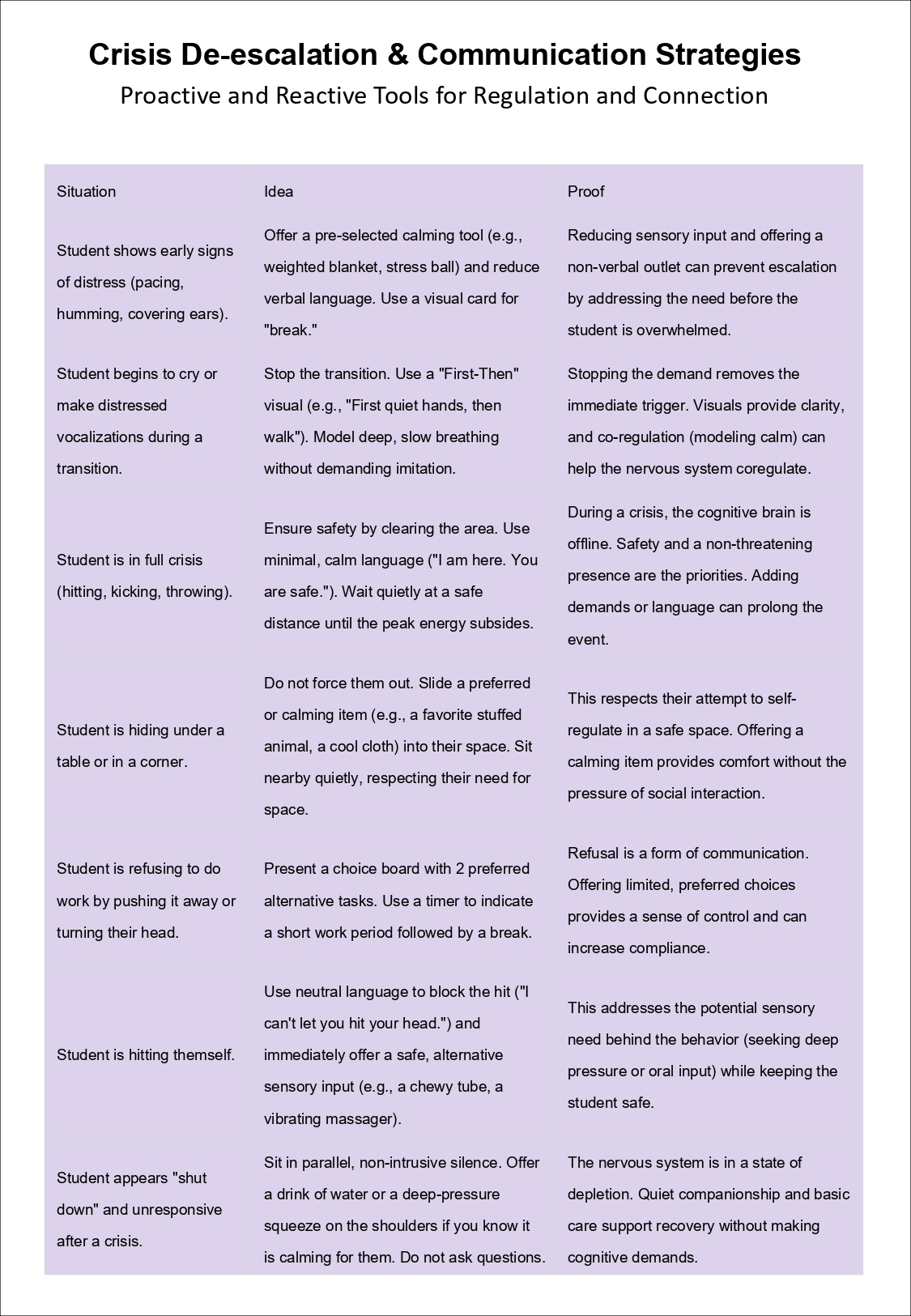
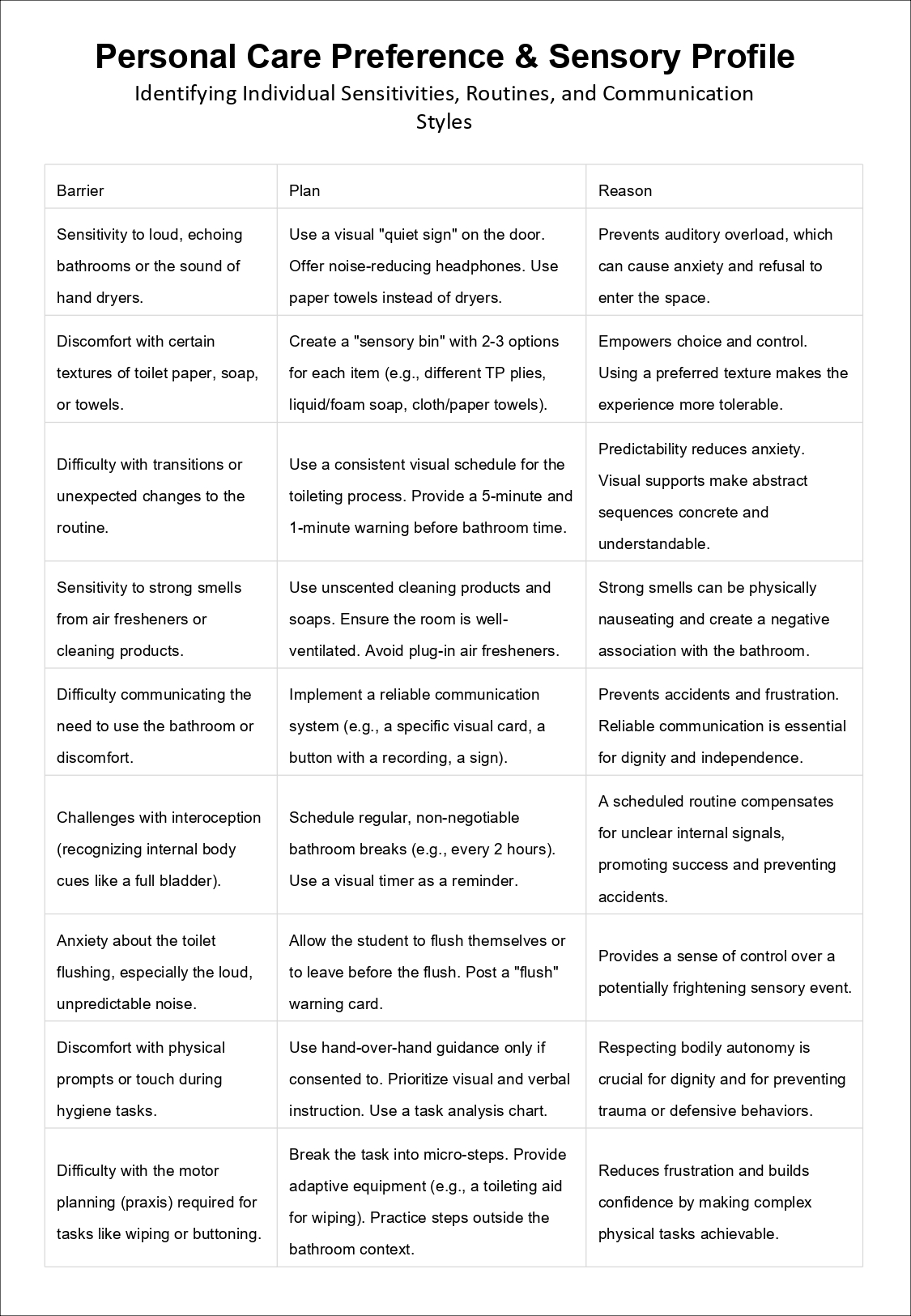
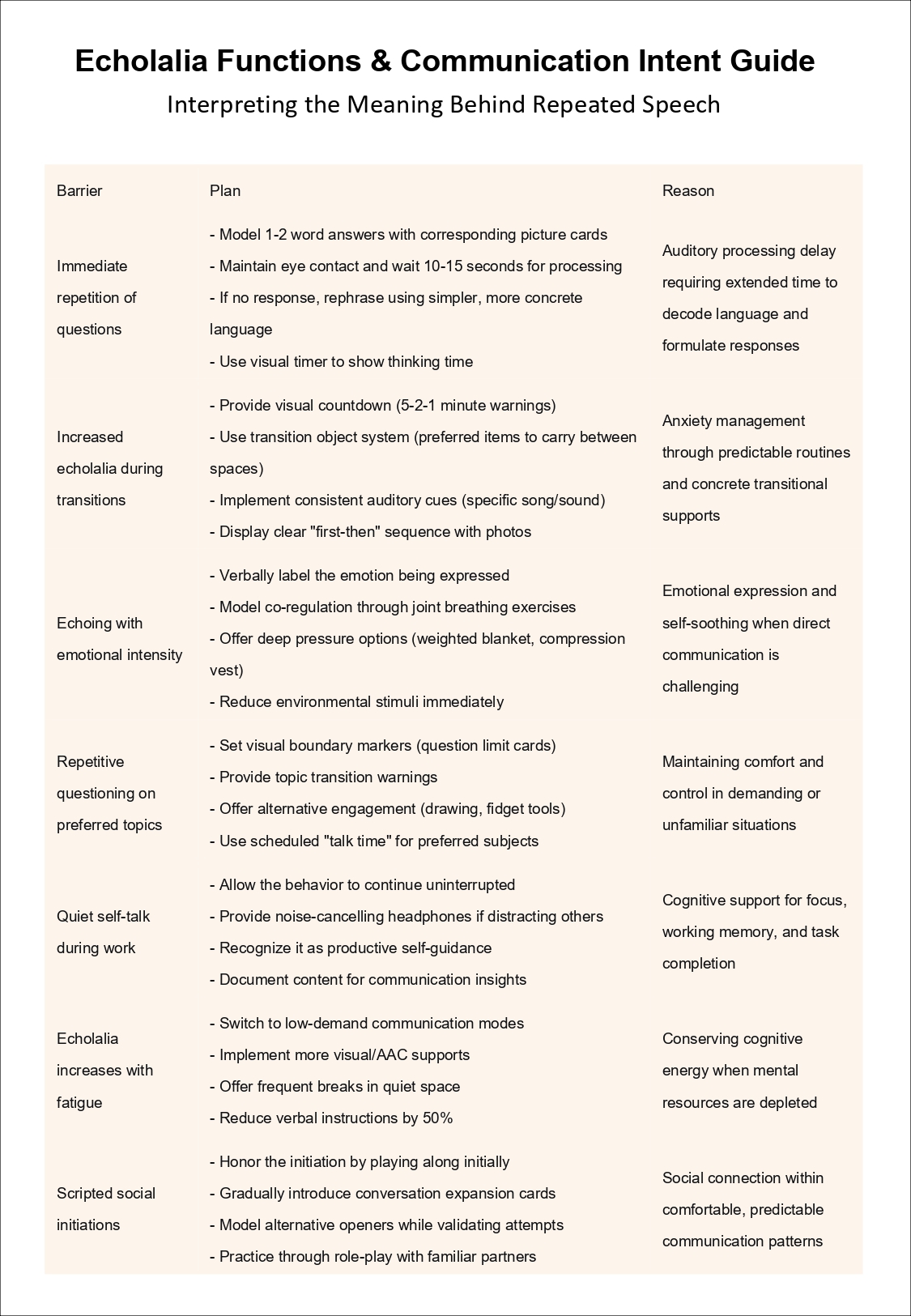
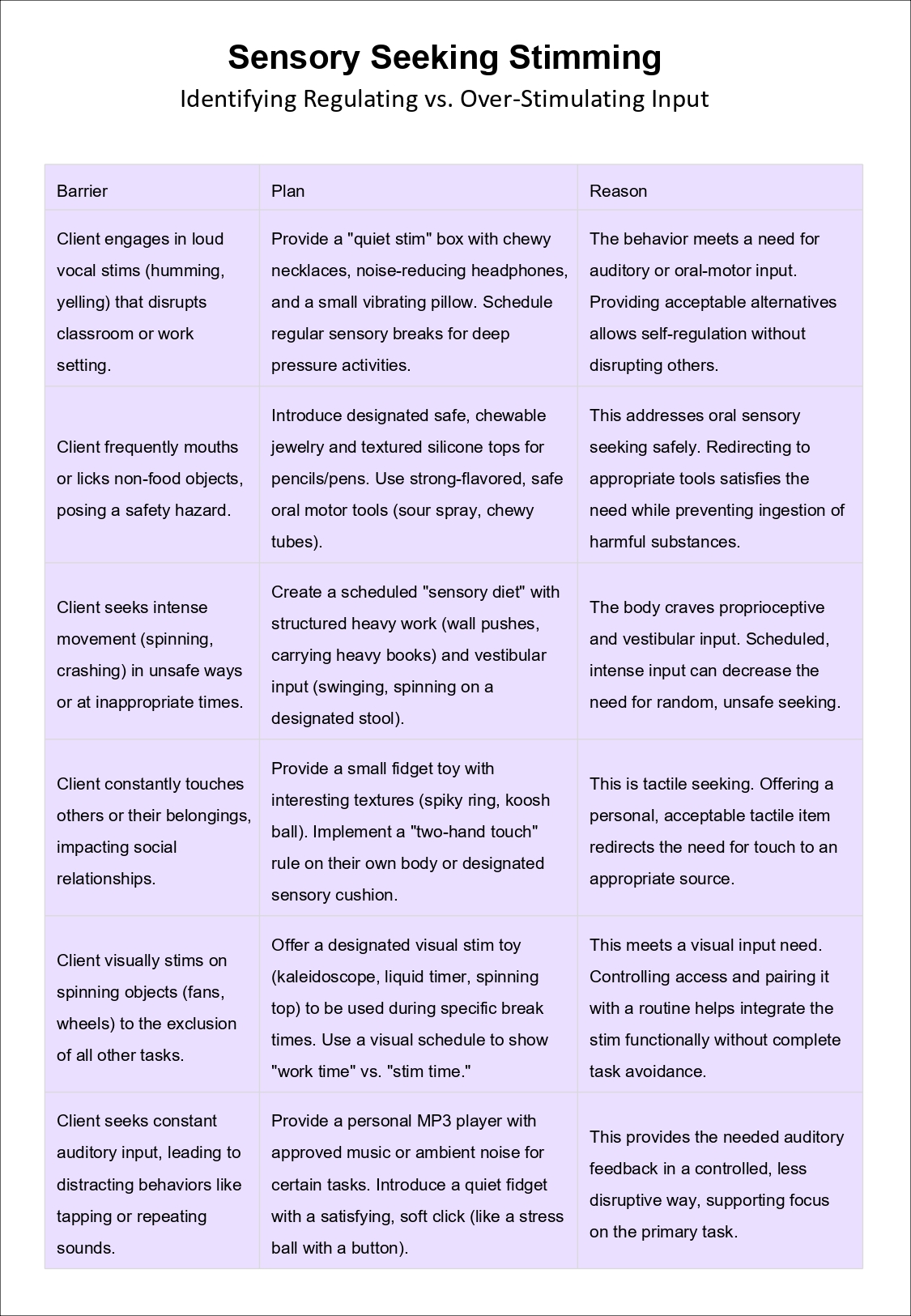
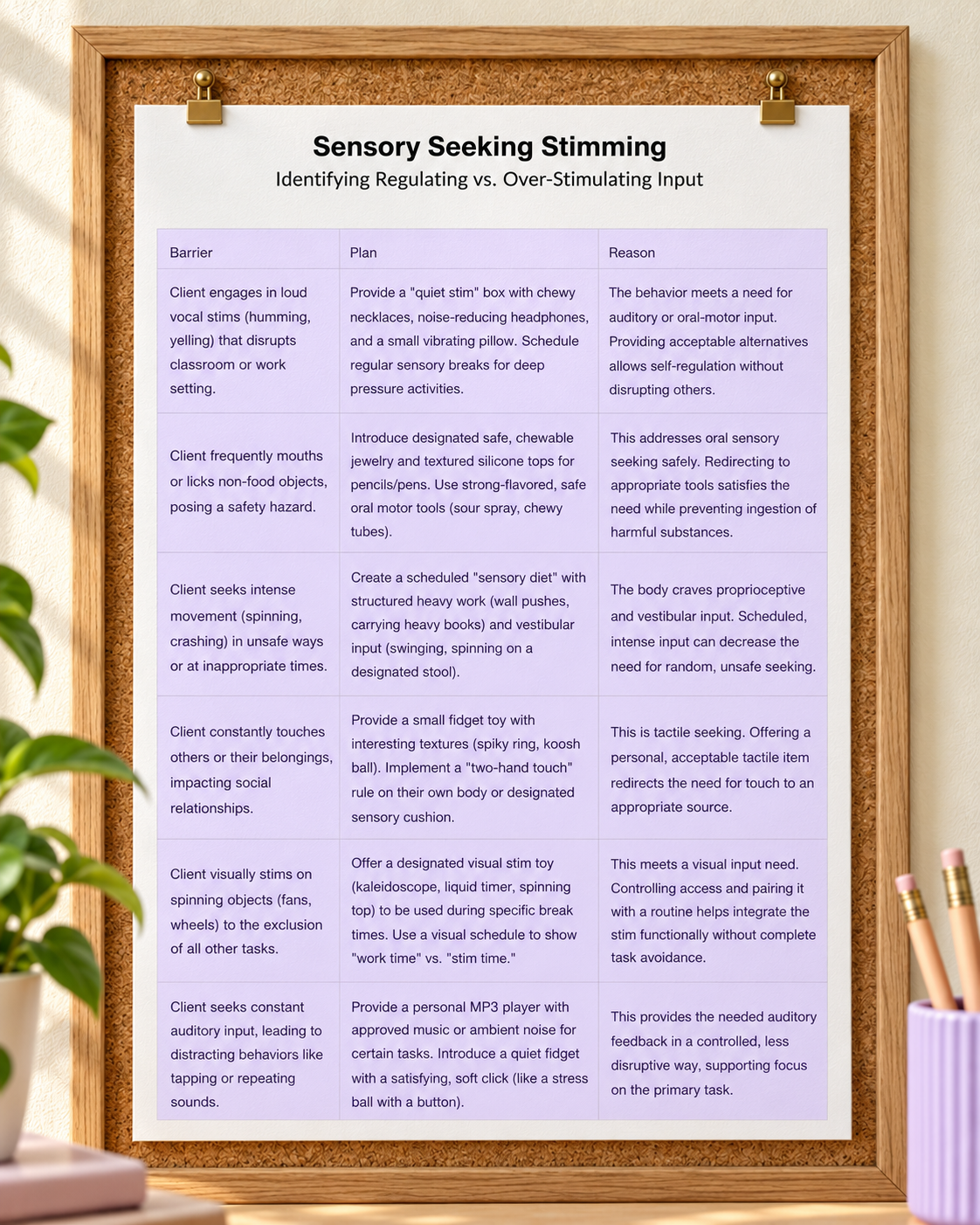
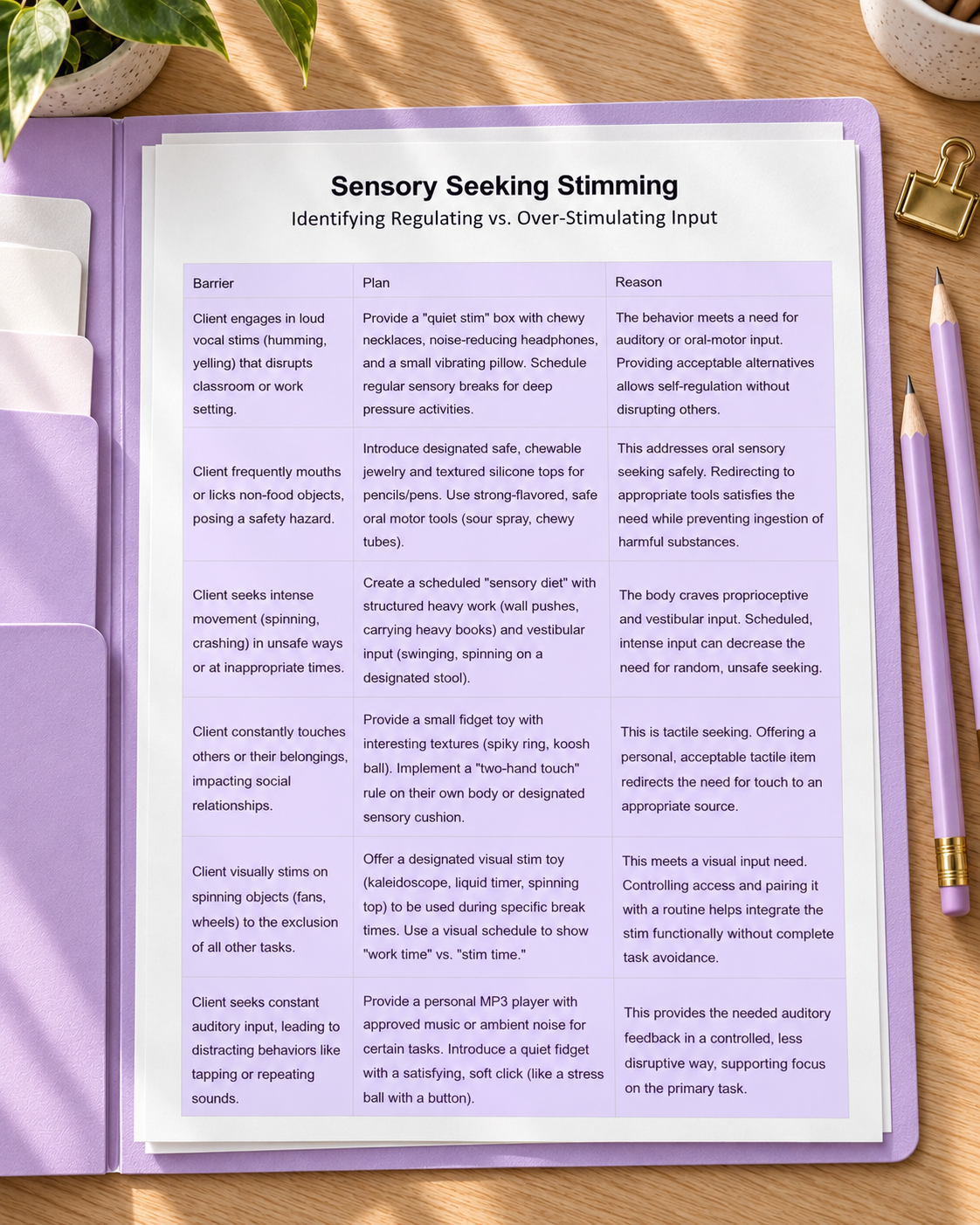
Not all stimming needs the same response, and suppressing it can miss the underlying need. This 12-page toolkit uses Barrier/Plan/Reason tables to pair stimming behaviors with sensory tools, environment changes or therapy strategies.
What's Inside
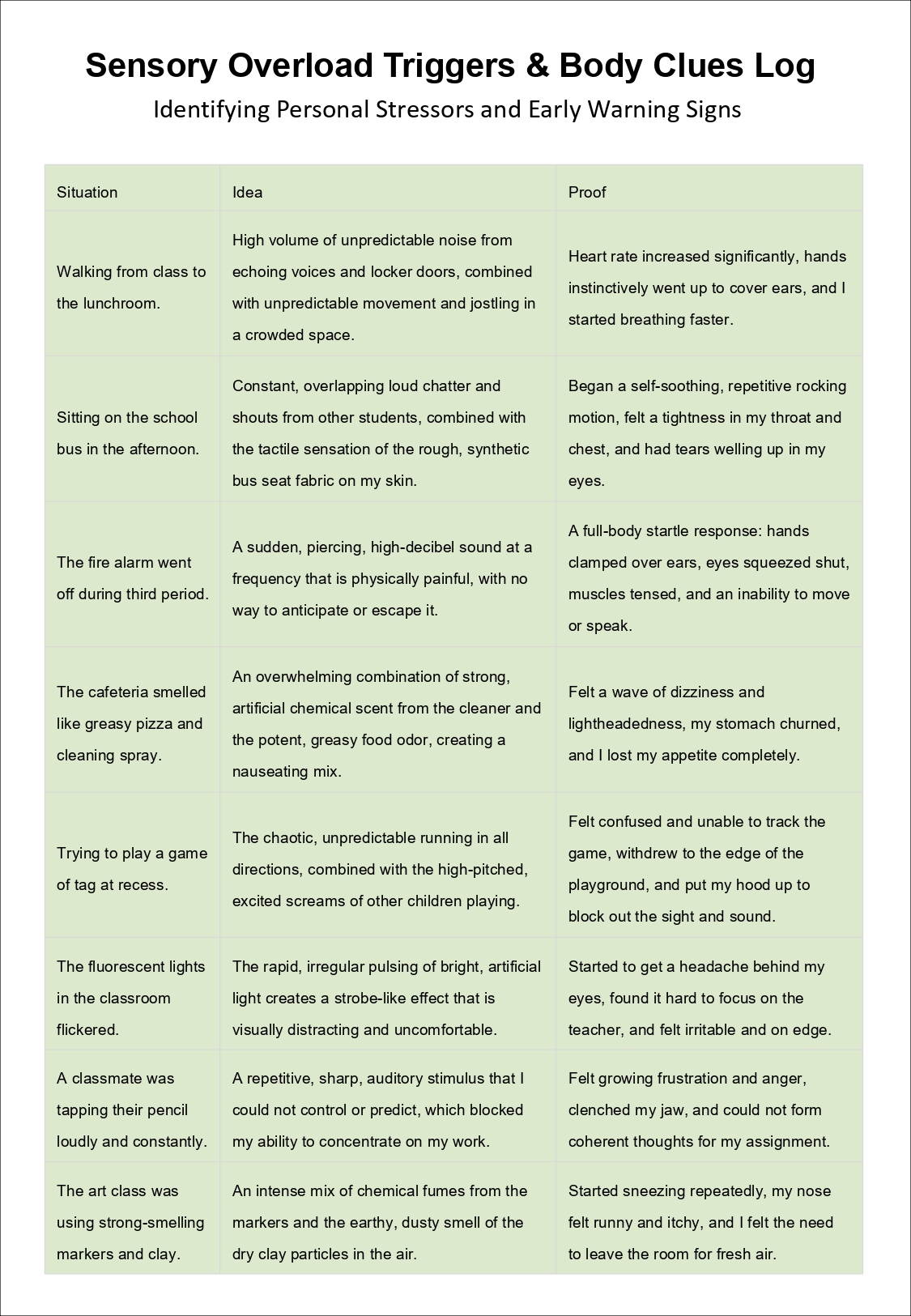
- Sensory Seeking Stimming tables identifying regulating vs. over-stimulating input
- Motor Coordination & Stimming tables differentiating motor planning from self-stimulation
- Strategies for vocal, oral, tactile, visual, and auditory sensory-seeking behaviors
- Sensory diet ideas including heavy work, vestibular input, and quiet stim boxes
- Guidance on safety concerns such as mouthing objects or unsafe intense movement
- Approaches for stimming tied to transitions, frustration, and fine motor demands
How It Helps You
- Helps distinguish regulating from over-stimulating input
- Separates motor planning issues from self-stimulation
- Addresses safety concerns such as mouthing objects
Ways to Use It
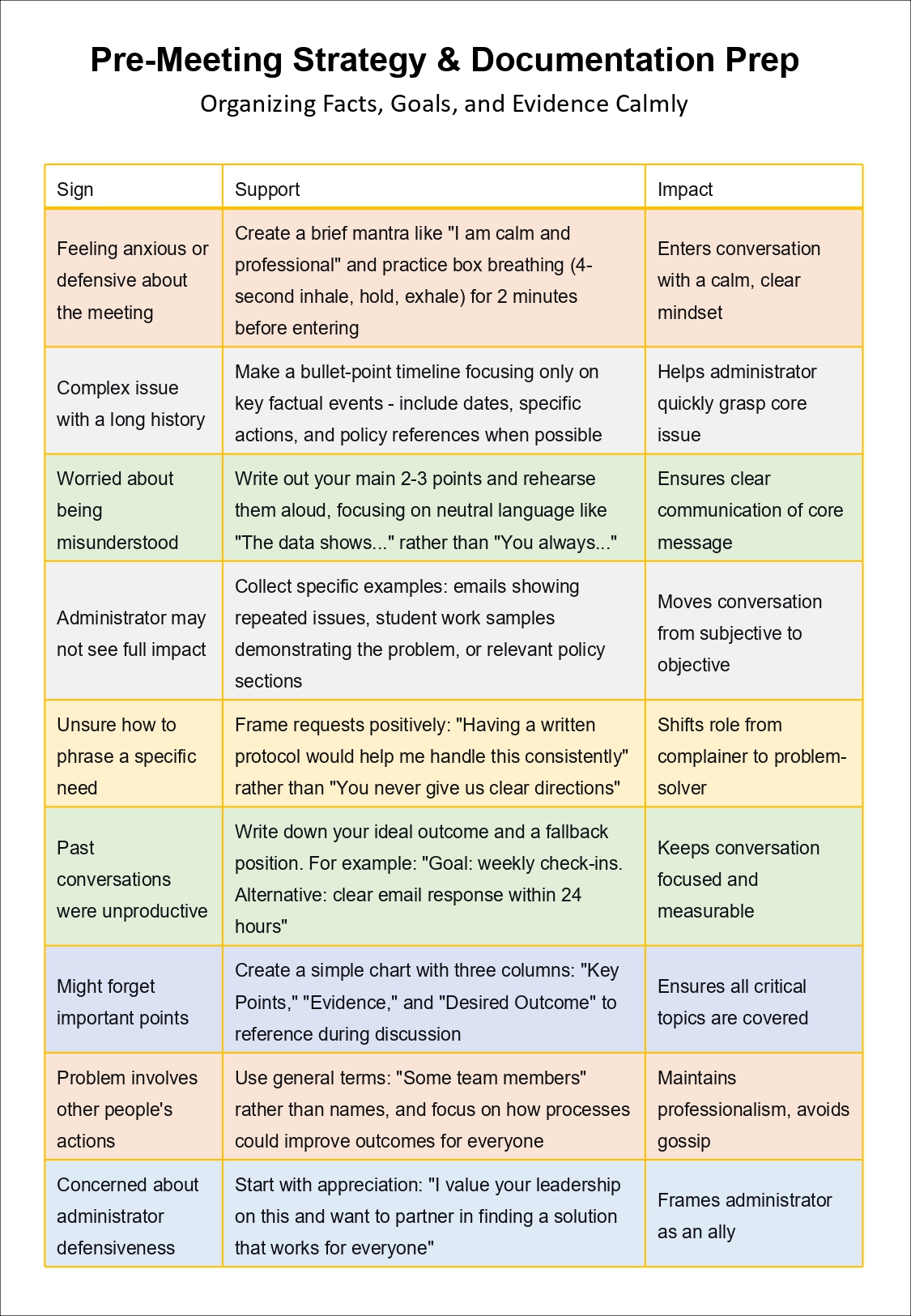
Use it in OT sessions, classroom planning, team meetings or behavior support planning.
Who It's For
Designed for occupational therapists, school OTs, special education teachers, and behavior support staff working to distinguish functional self-regulation from non-functional or unsafe repetitive behaviors.
Format
PDF (print-ready) and PPTX (editable). 12 pages. Instant download.
Need more than one?
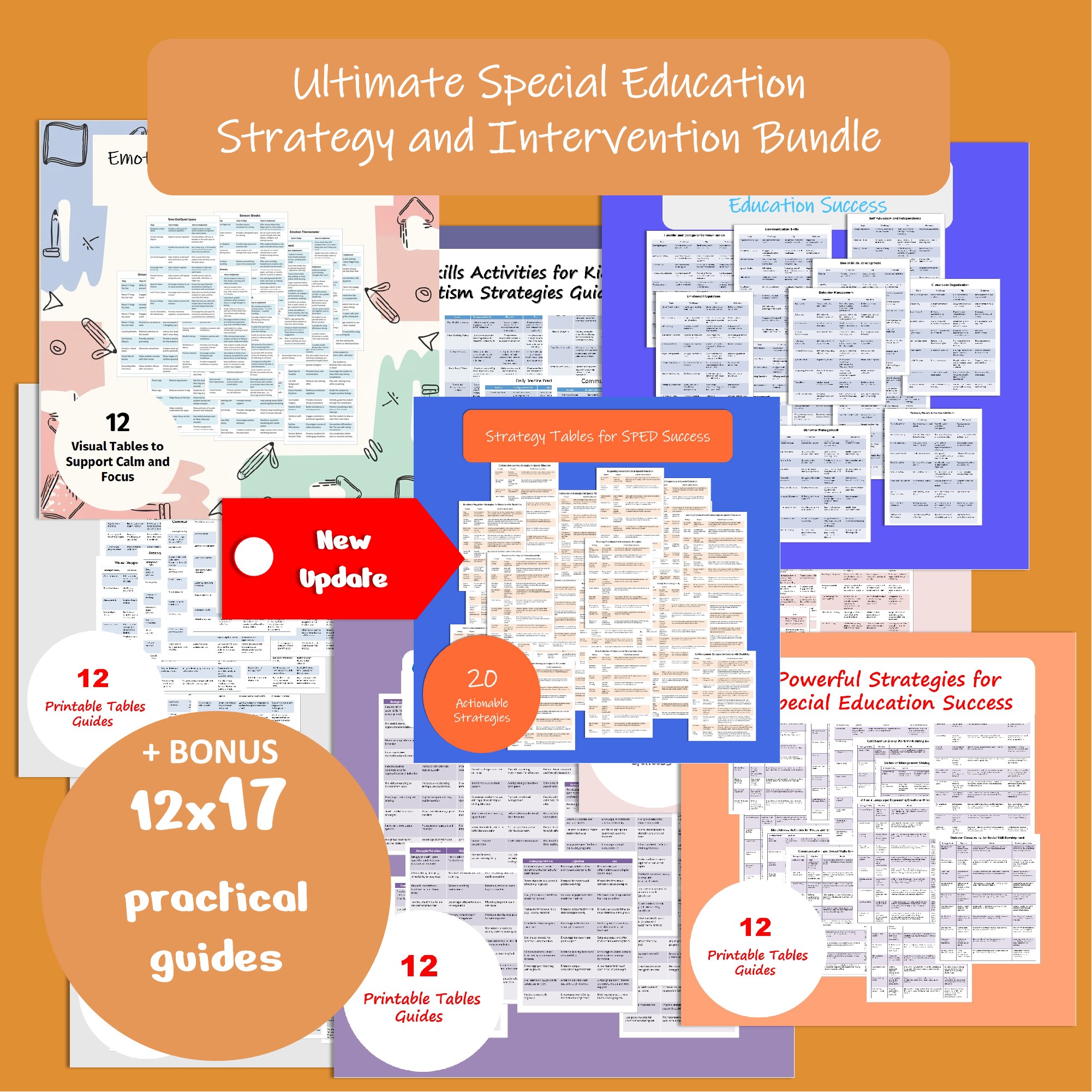
If you support sensory needs, the mega bundle brings together many more resources. The Special Education Mega Bundle brings together 18 related resources in one download, and you save 31% compared to buying each item separately.