
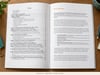
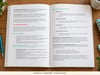
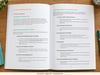
Special Education Assessment Guide: IQ Testing and Learning Disabilities
Explaining an IQ score to a family, or turning assessment data into a plan that helps a student, takes a clear understanding of the whole process. This guide connects disabilities, assessment and intervention.
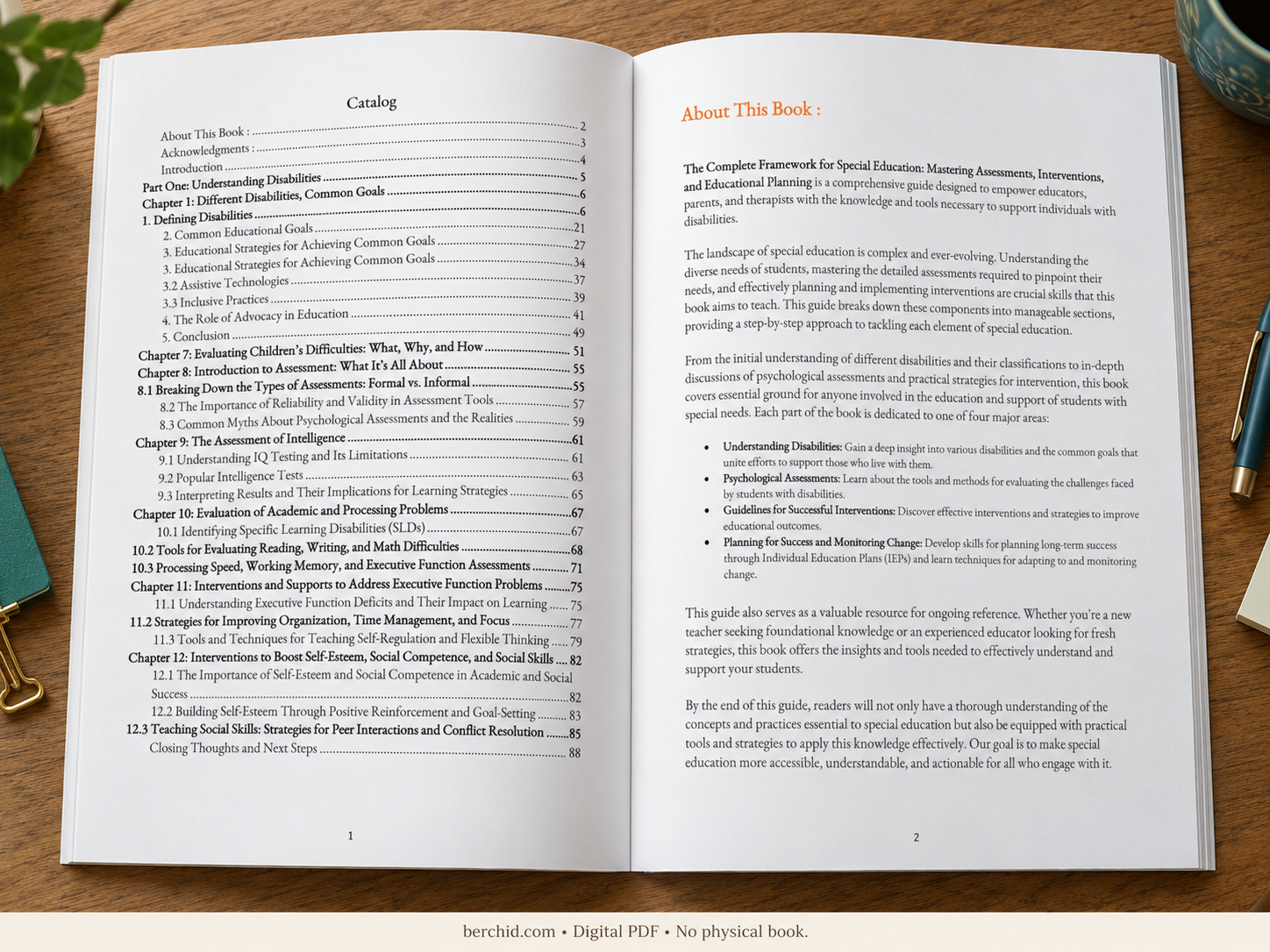
What's Inside
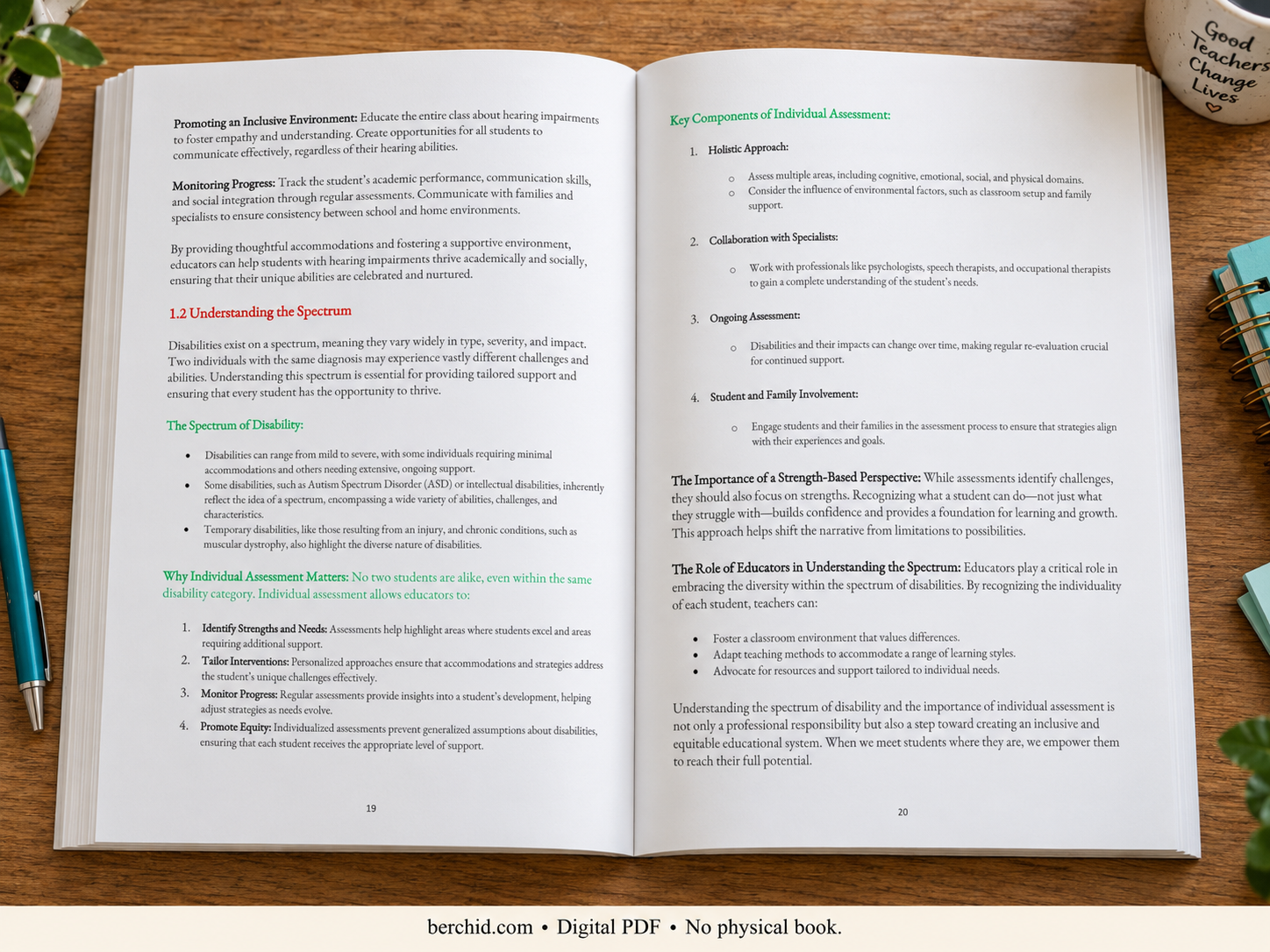
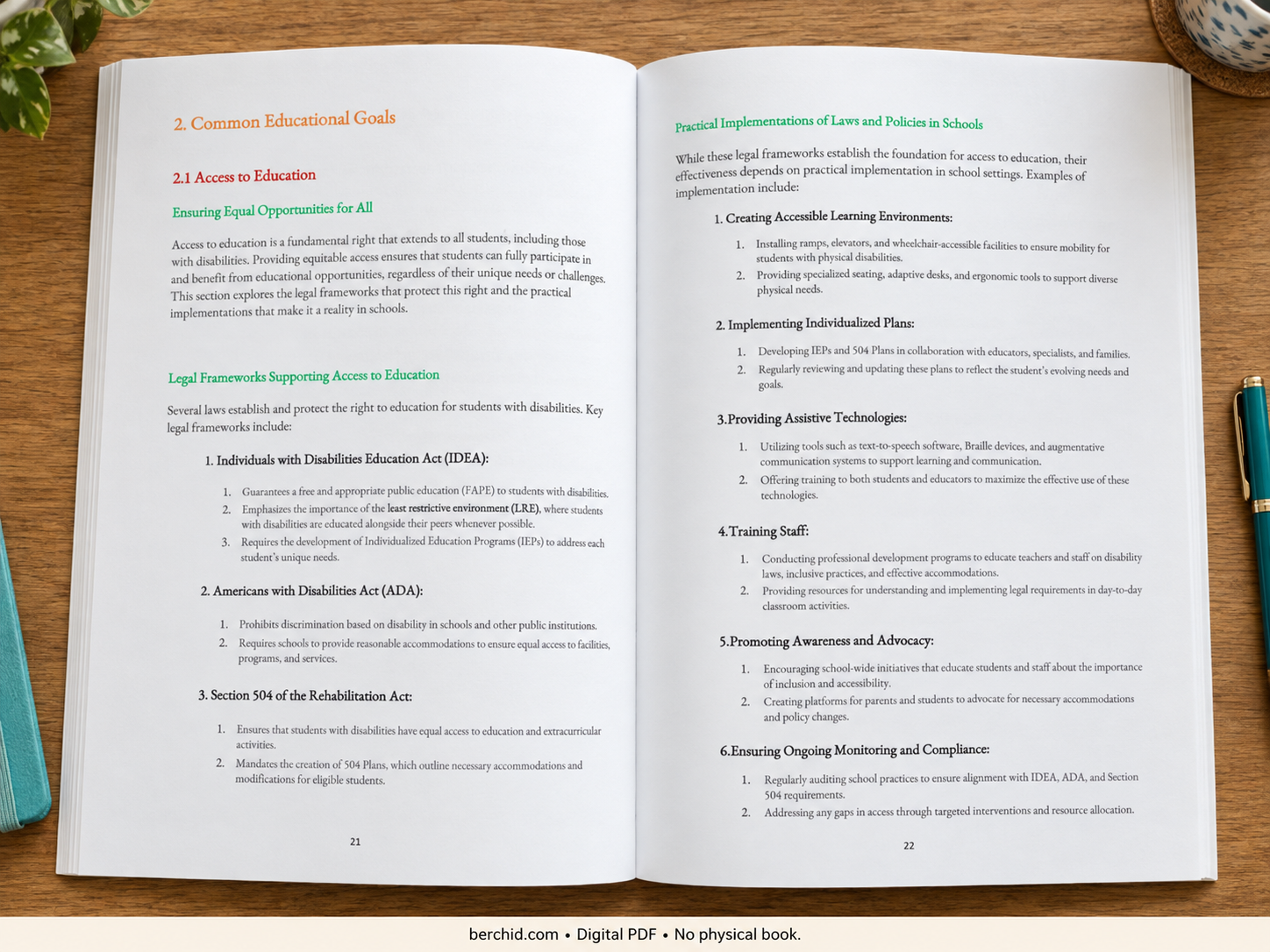
- Understanding Disabilities: physical, intellectual, learning, emotional and behavioral, sensory processing, autism spectrum, speech and language, and hearing disabilities, plus IDEA, ADA, Section 504 and self-advocacy
- Psychological Assessments: formal vs. informal methods, reliability and validity, common myths, IQ testing with the WISC, Stanford-Binet and KABC, dyslexia, dysgraphia, dyscalculia, processing speed, working memory and executive function
- Guidelines for Successful Interventions: differentiated instruction, assistive technology, inclusive practice, advocacy, executive function support, self-esteem and social skills
- Ready-to-use tools: self-advocacy checklist, IEP meeting preparation guide, parent-educator communication strategies table, social skills checklist and conflict resolution flowchart
How It Helps You
- Connects why a student struggles, how it is assessed and what to do next
- Helps you explain assessment results to families
- Checklists ready to print and fill in
Ways to Use It
Work through it as an introduction to special education assessment, or jump to a chapter like IQ testing or executive function when a question comes up.
Who It's For
Educators, parents, therapists and school psychologists.
Format
PDF (print-and-use) and DOCX. Instant download.
Need more than one?
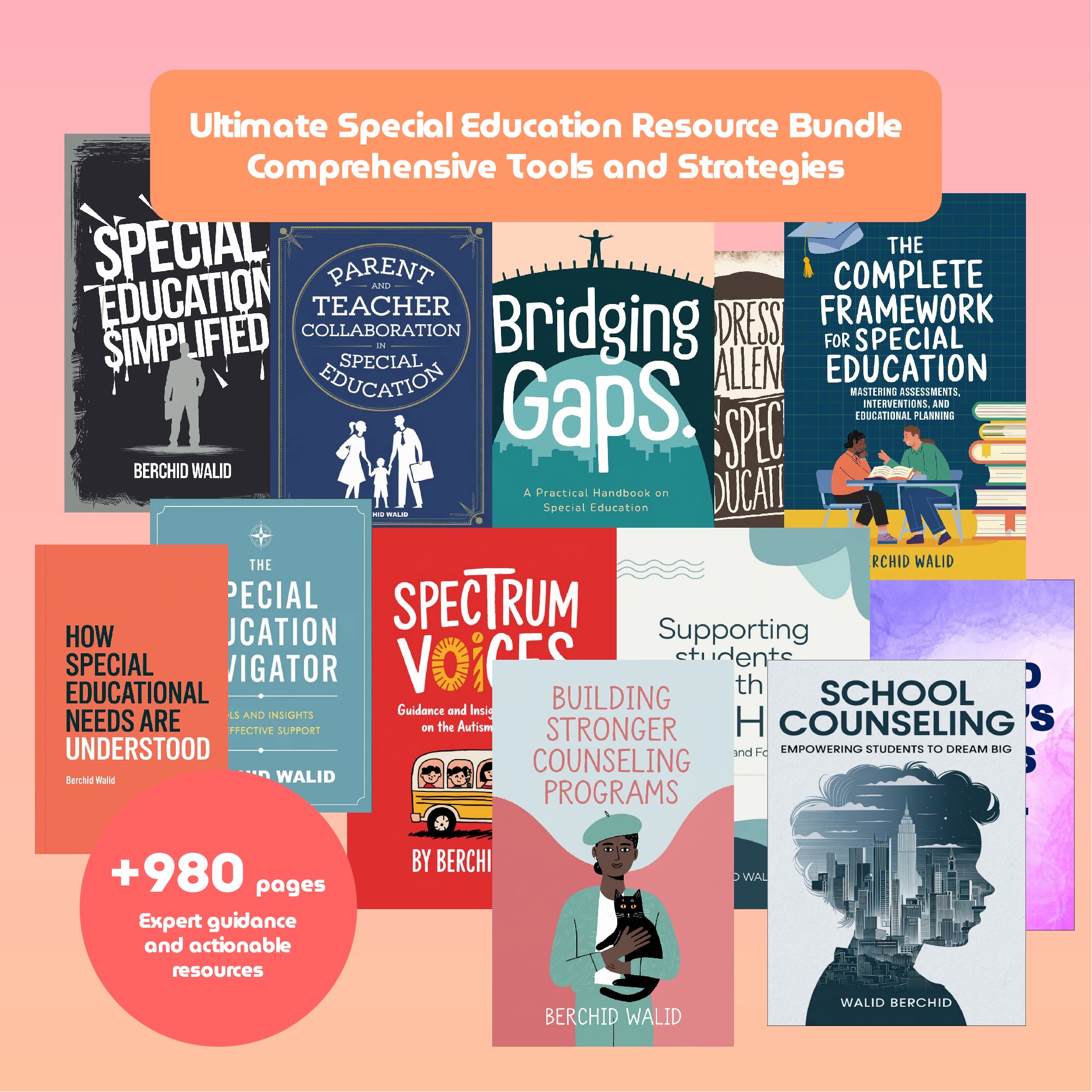
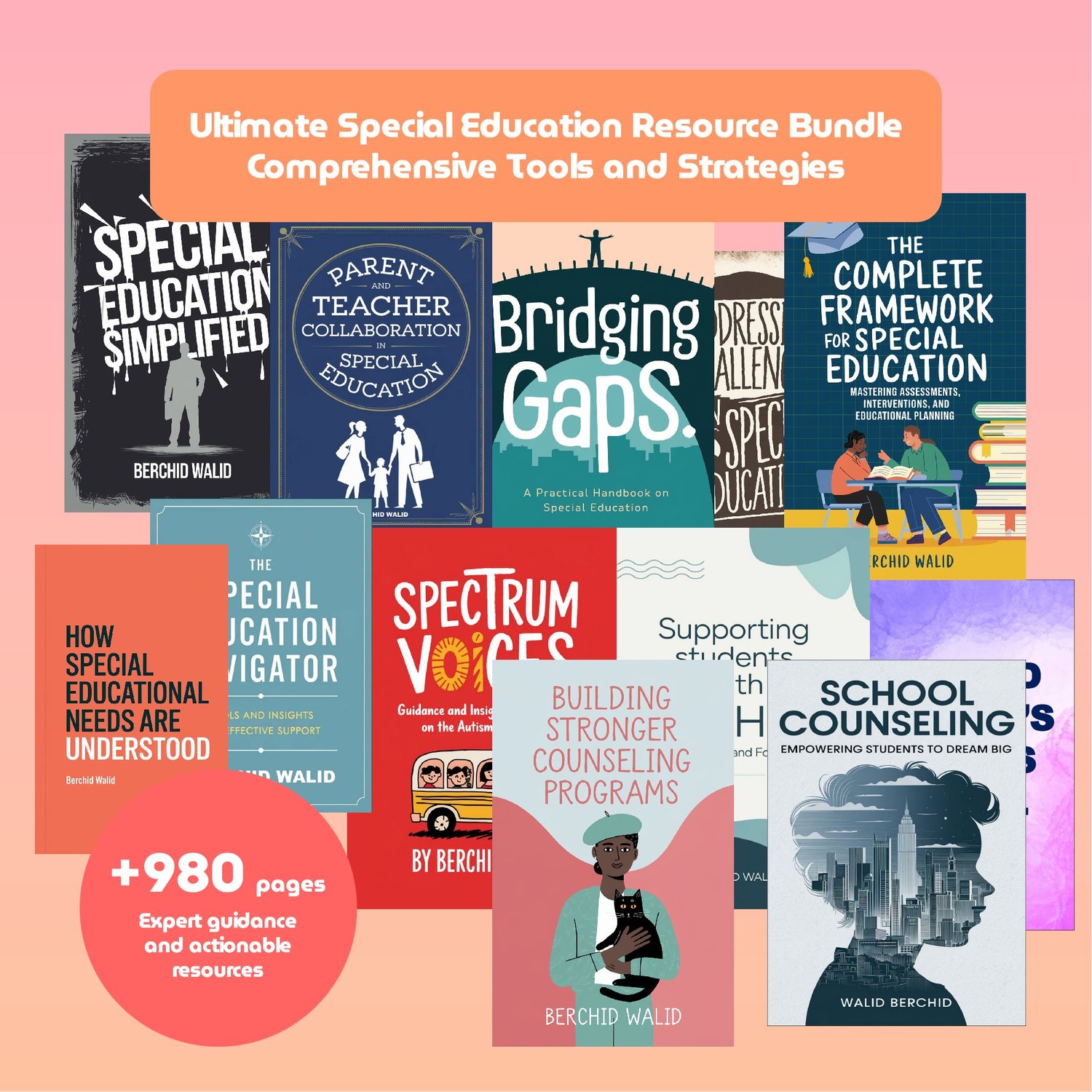
If you find yourself reaching for in-depth guides like this one, the guides bundle collects the full library of longer special education references. The Special Education Guides Bundle includes this resource and more in one download, and you save 80% compared to buying each item separately.