
Emotional Safety and Trust in Special Education Settings: Building Regulation, Access, and Positive Behavior
On Sale
$5.00
(25% off)
$3.75
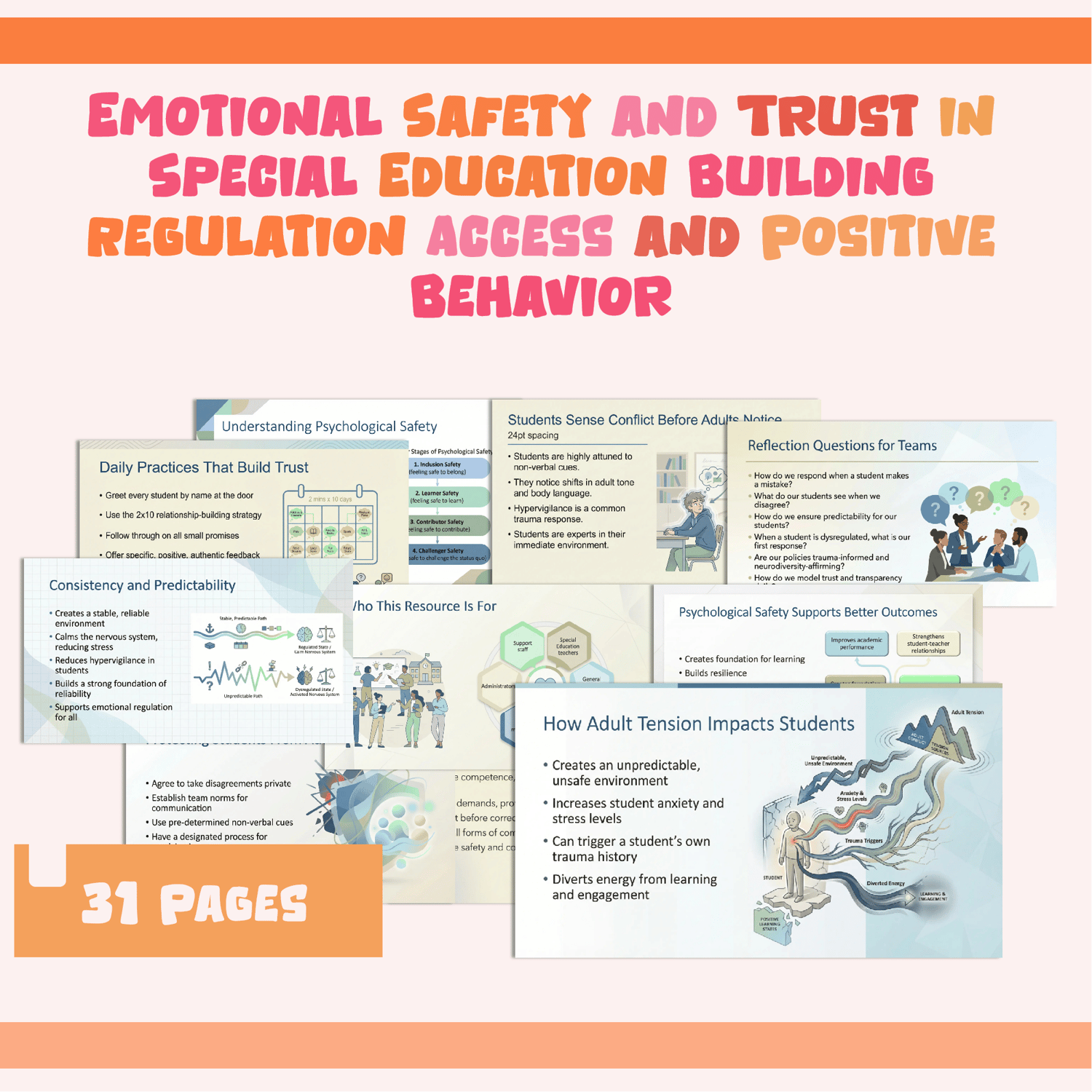
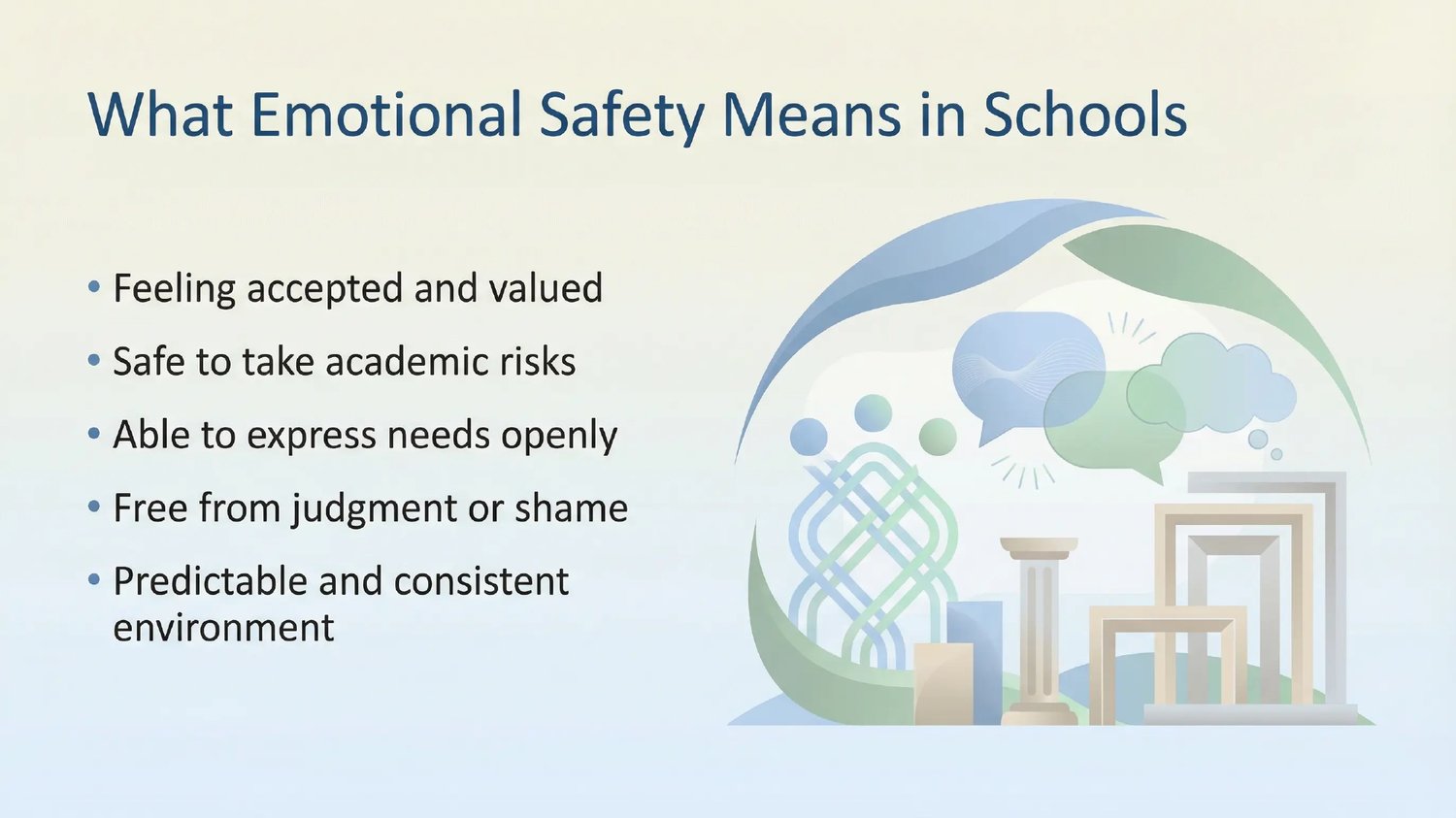
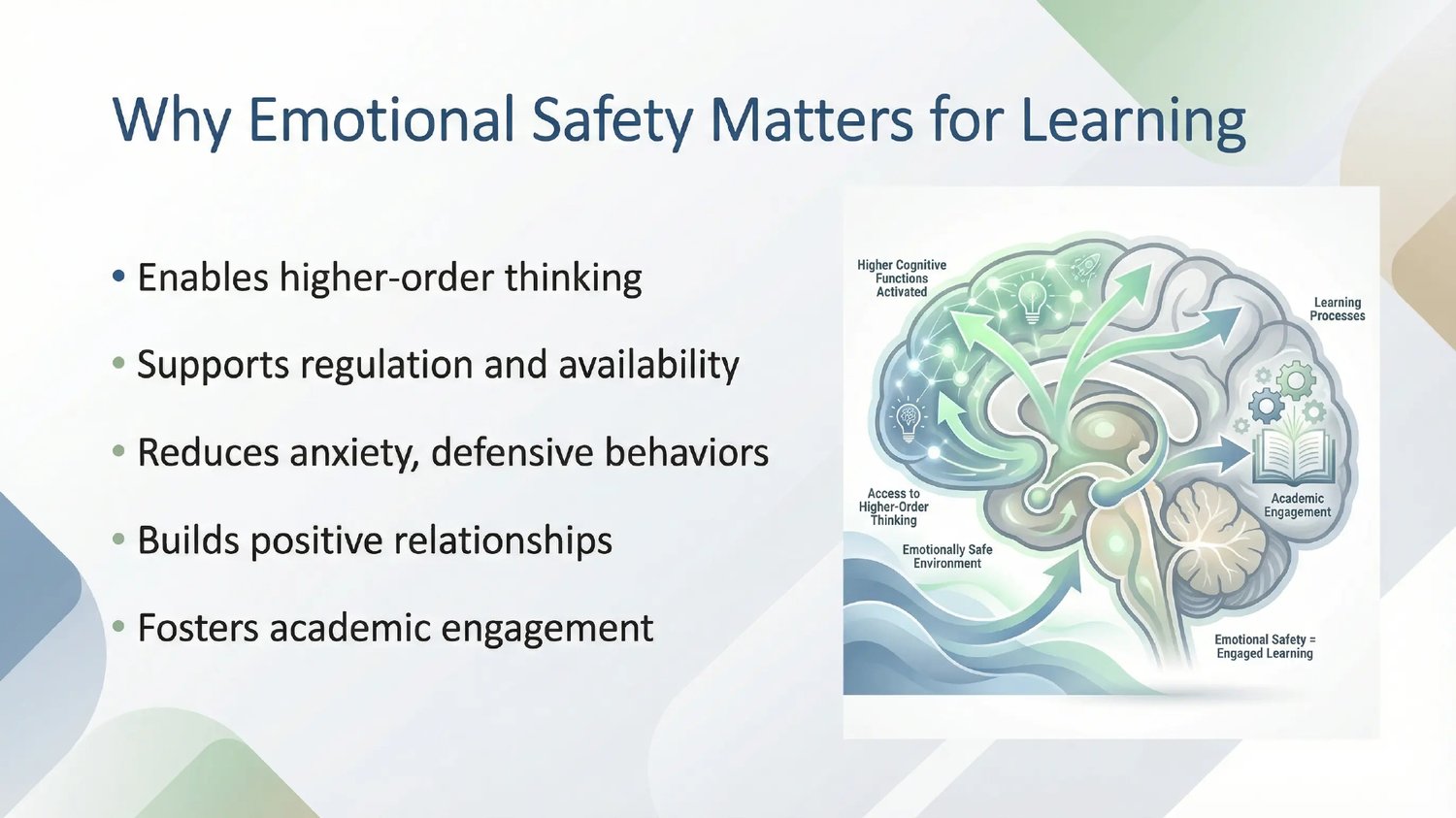
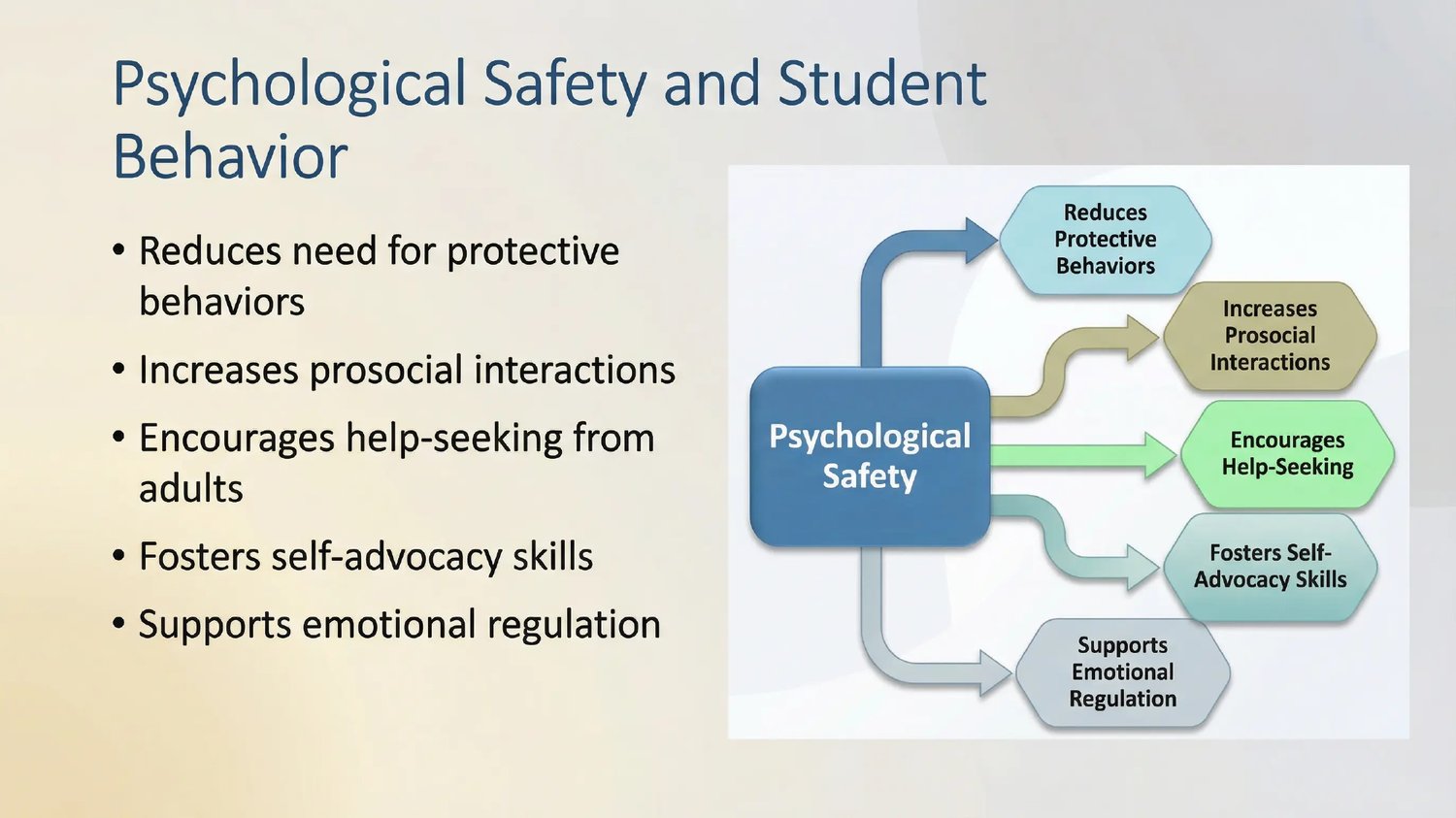
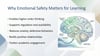
Students cannot learn when they do not feel safe. This 31-slide professional development resource explores how trust, predictability, and shared power shape regulation and behavior, with daily practices educators can use to build safety on purpose.
What's Inside
- 31 in-depth slides on emotional safety and trust in special education settings
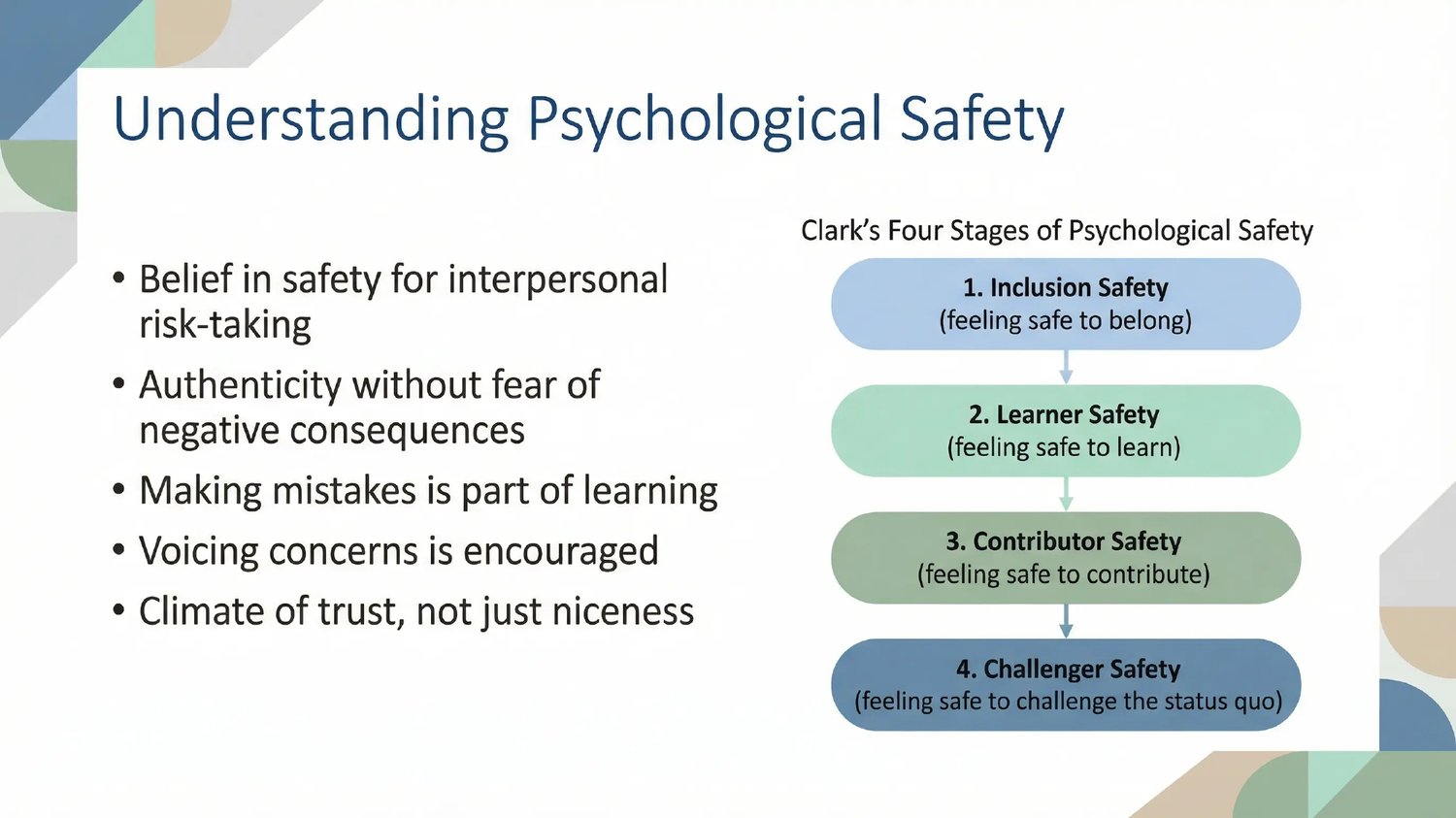
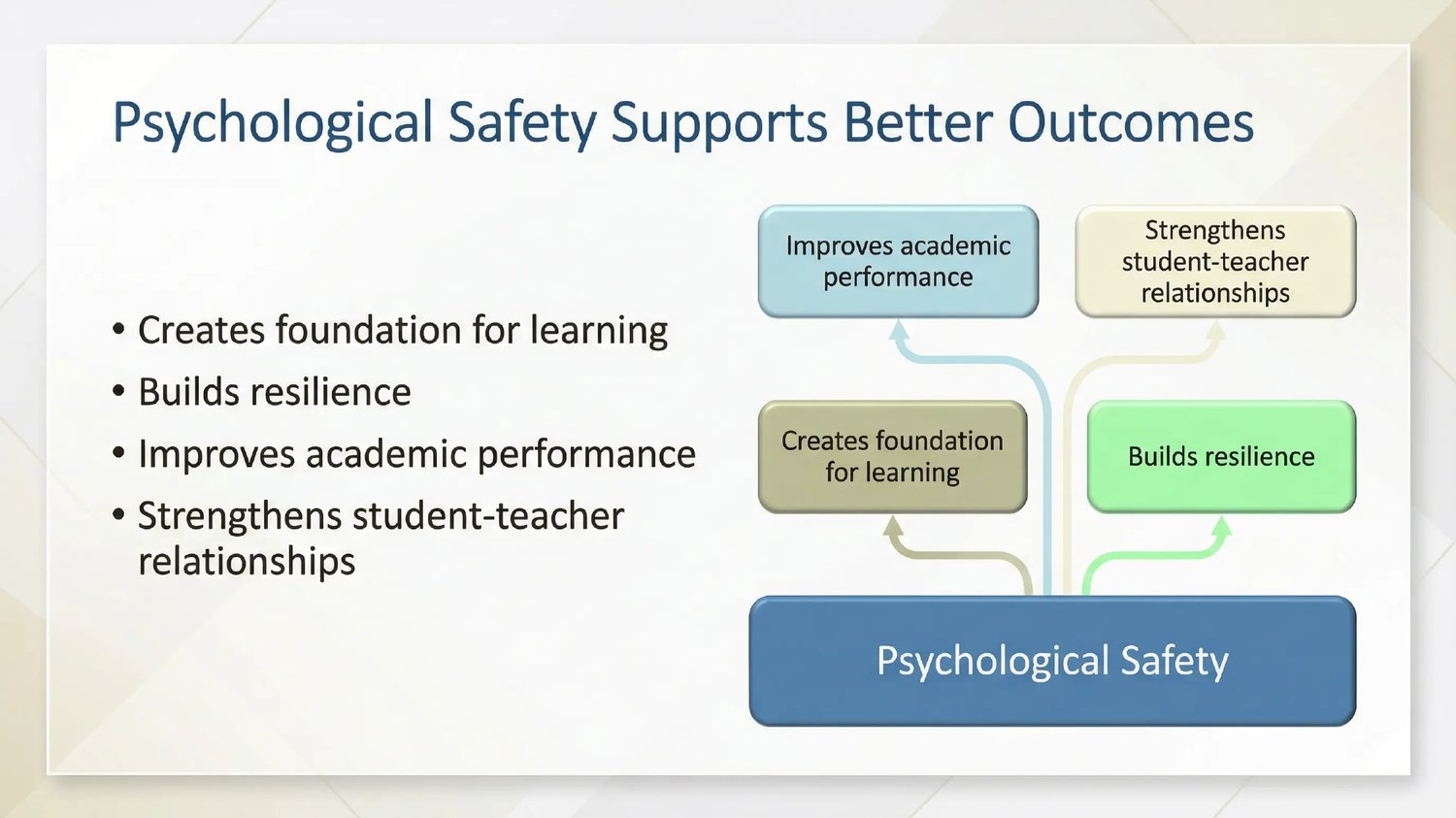
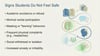
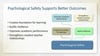
- Understanding Psychological Safety and its four stages (Inclusion, Learner, Contributor, Challenger Safety)
- Daily Practices That Build Trust, including the 2x10 relationship-building strategy
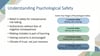
- Consistency and Predictability: the stable path vs. the unpredictable path to nervous system regulation
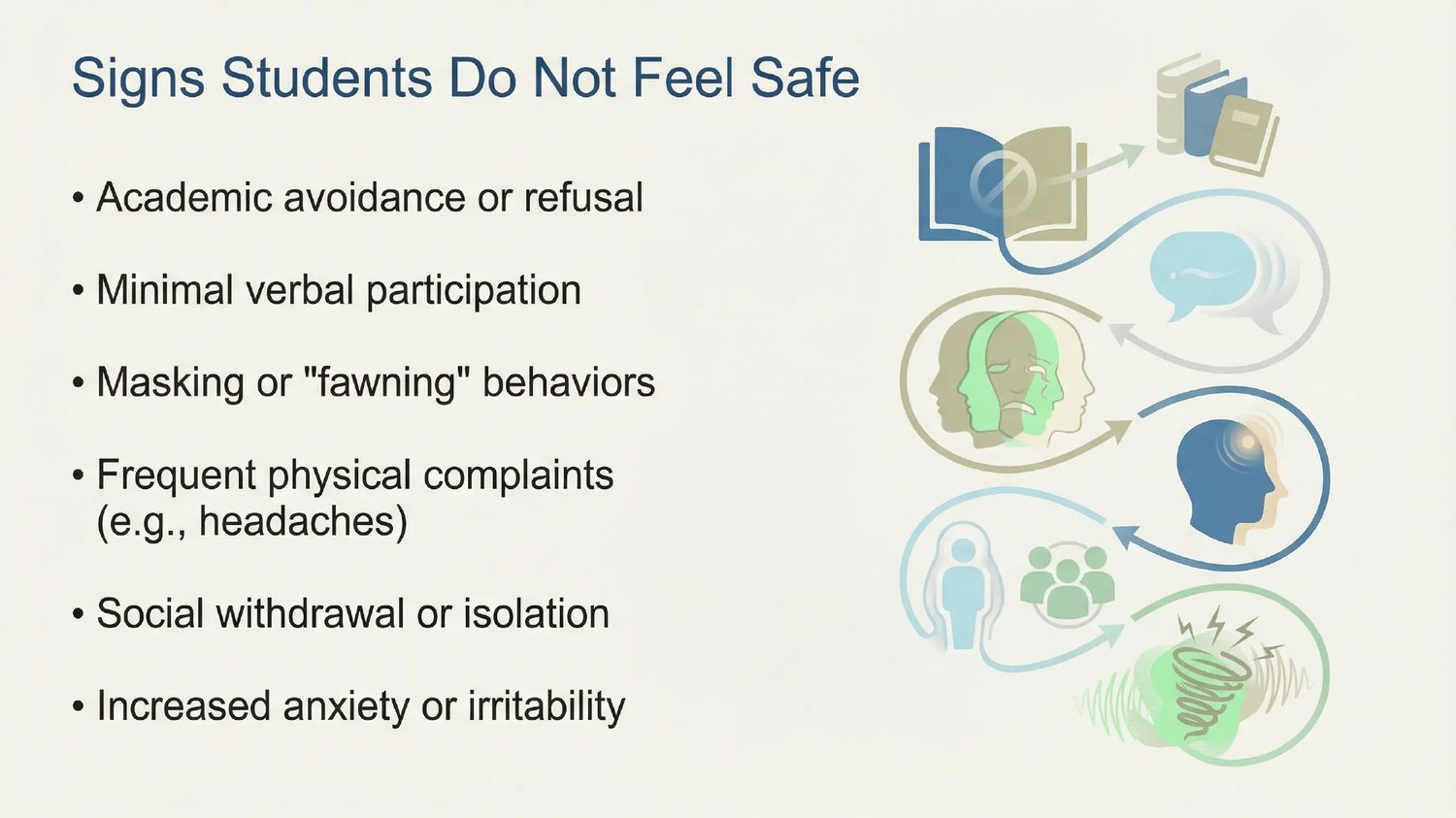
- Students Sense Conflict Before Adults Notice — reading non-verbal cues and hypervigilance
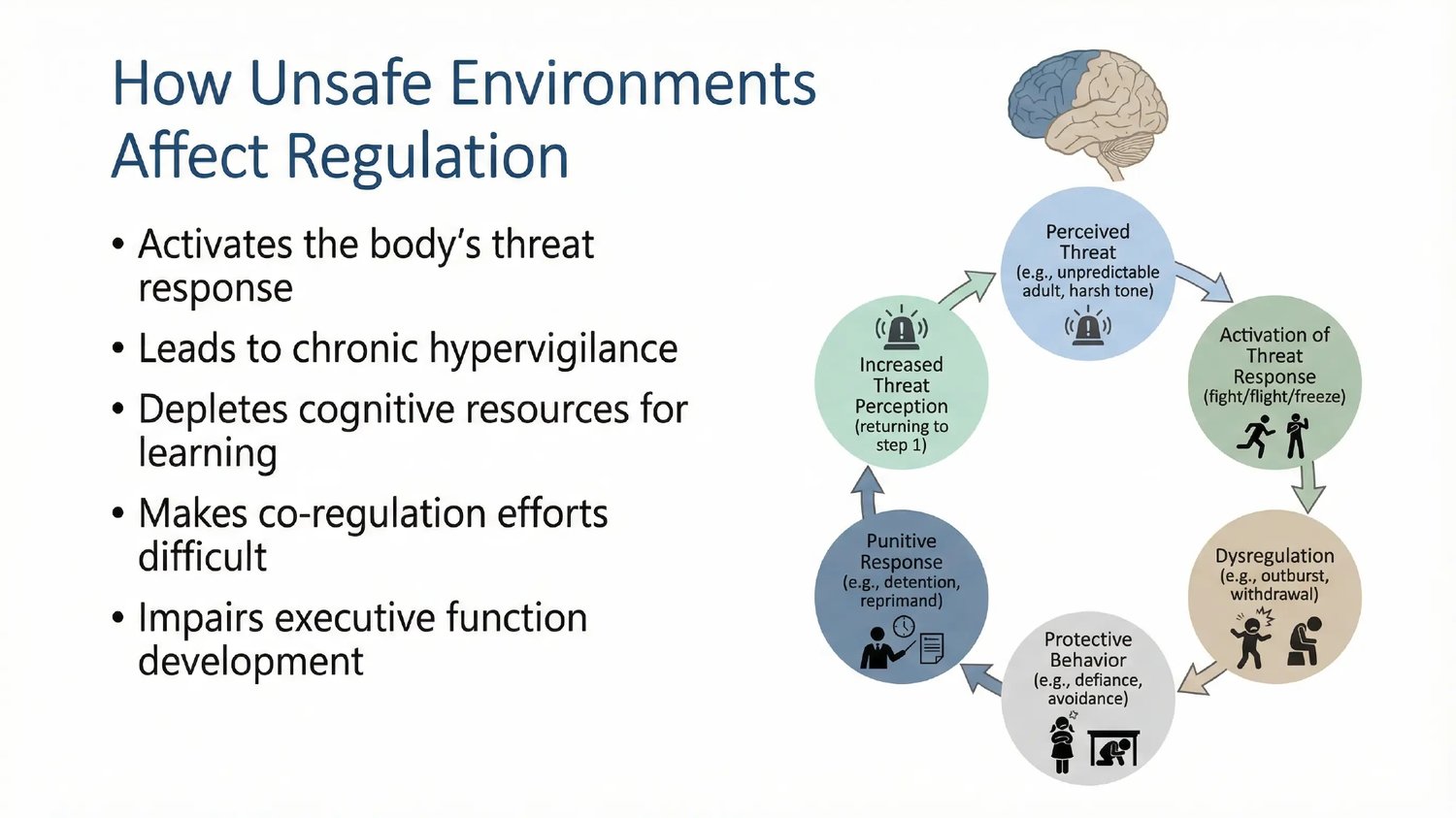
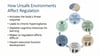
- How Adult Tension Impacts Students, including trauma triggers and diverted energy
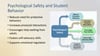
- Power, Control, and Student Safety — shifting from "power over" to "power with"
- Common Misunderstandings About Safety, with a clear Safety Is / Safety Is Not breakdown
- Protecting Students From Adult Conflict and team norms for communication
- Reflection Questions for Teams to build trauma-informed, neurodiversity-affirming practice
How It Helps You
- Gives staff concrete trust-building routines such as the 2x10 strategy
- Shows how adult tension and conflict affect students
- Provides reflection questions to build team norms
Ways to Use It
Use it for staff PD, team norm-setting meetings, or self-paced reflection.
Who It's For
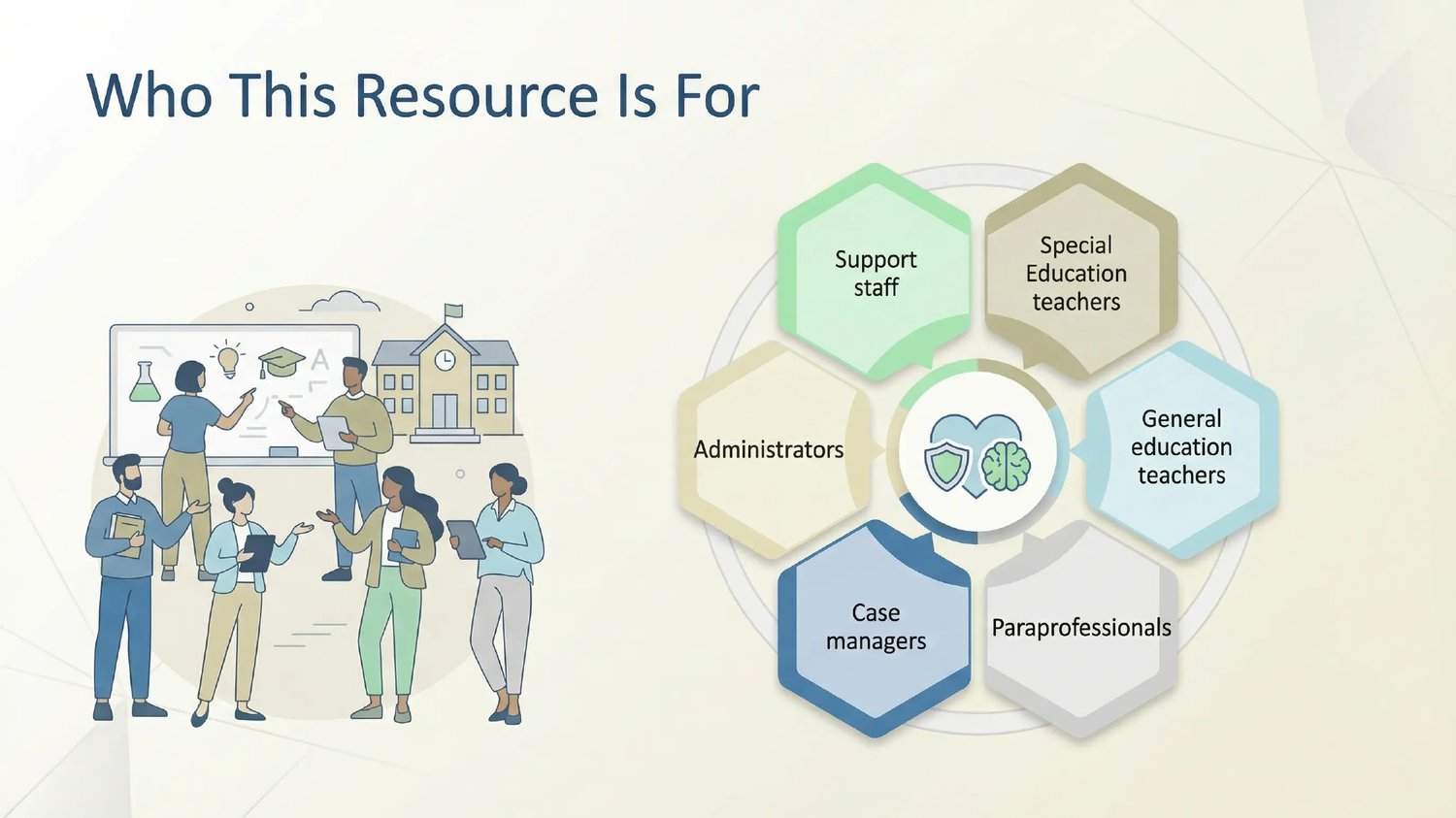
Special education and general education teachers, support staff, and administrators.
Format
Digital slide resource, 31 slides. Instant download.
Need more than one?
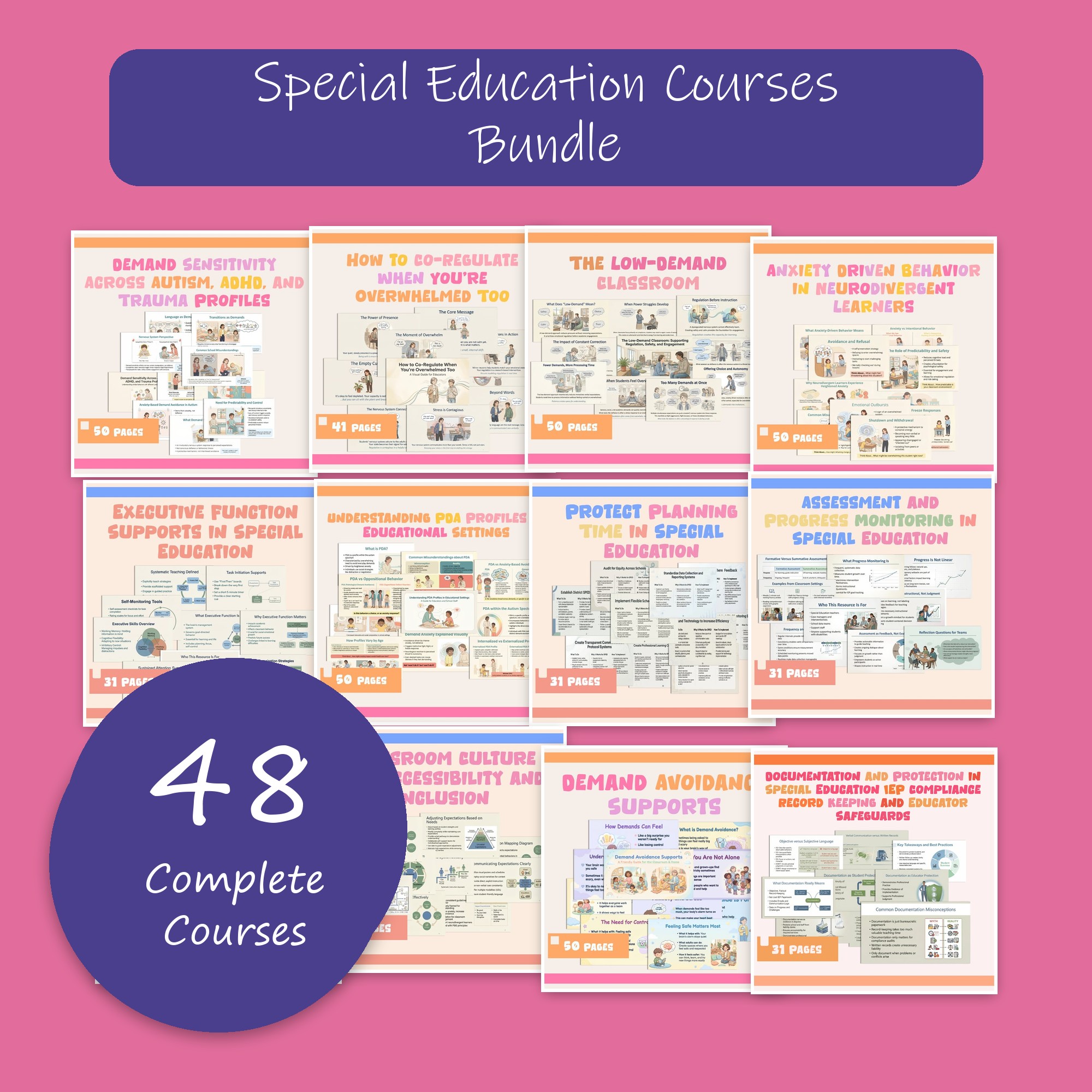
If you use professional development resources with your team, this course fits alongside many others on special education practice. The Special Education Courses Bundle includes this resource and more in one download, and you save 66% compared to buying each item separately.