



PDA Autism Classroom Support Guide: Creating a Supportive, Low-Demand Learning Environment
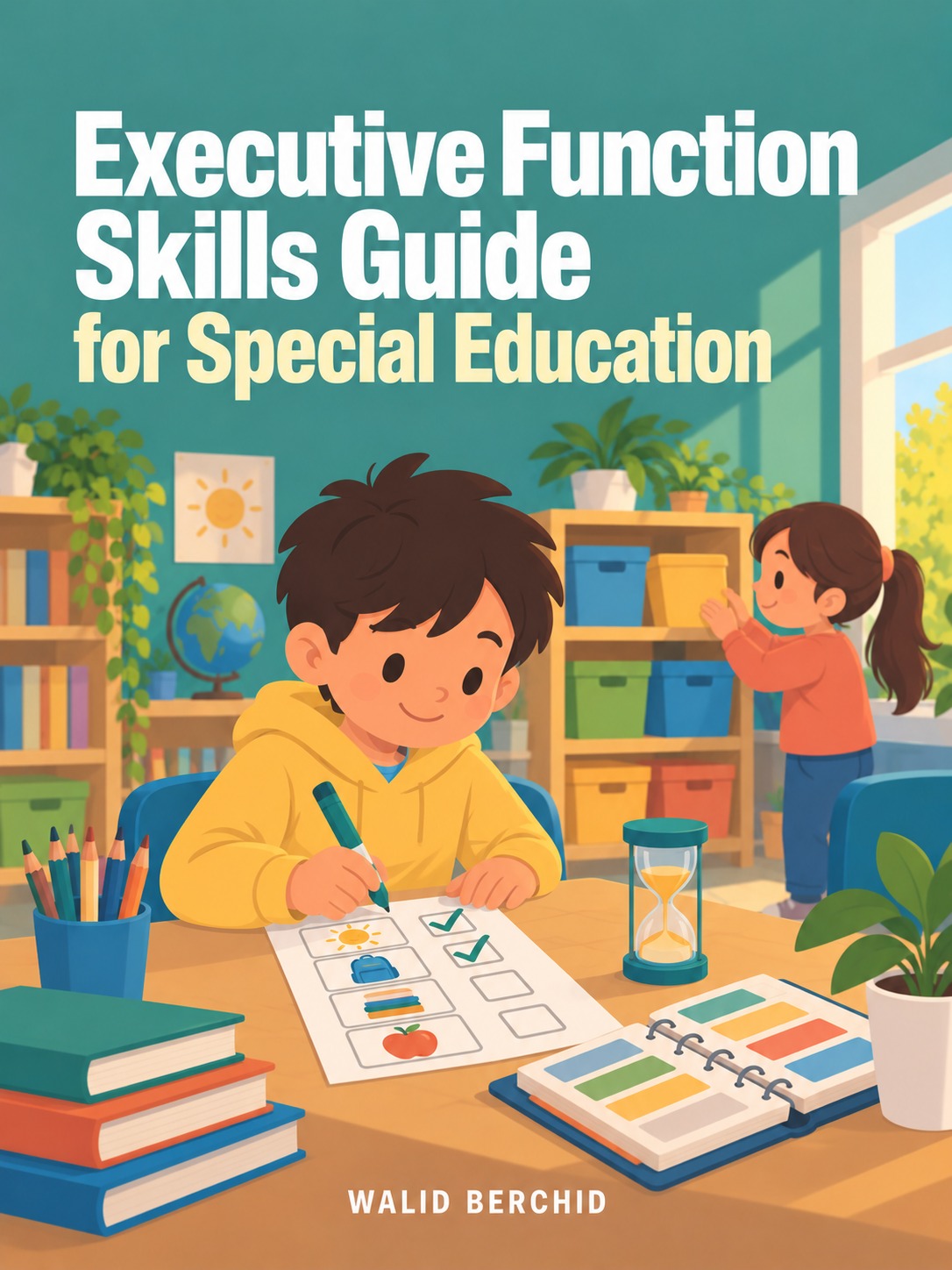
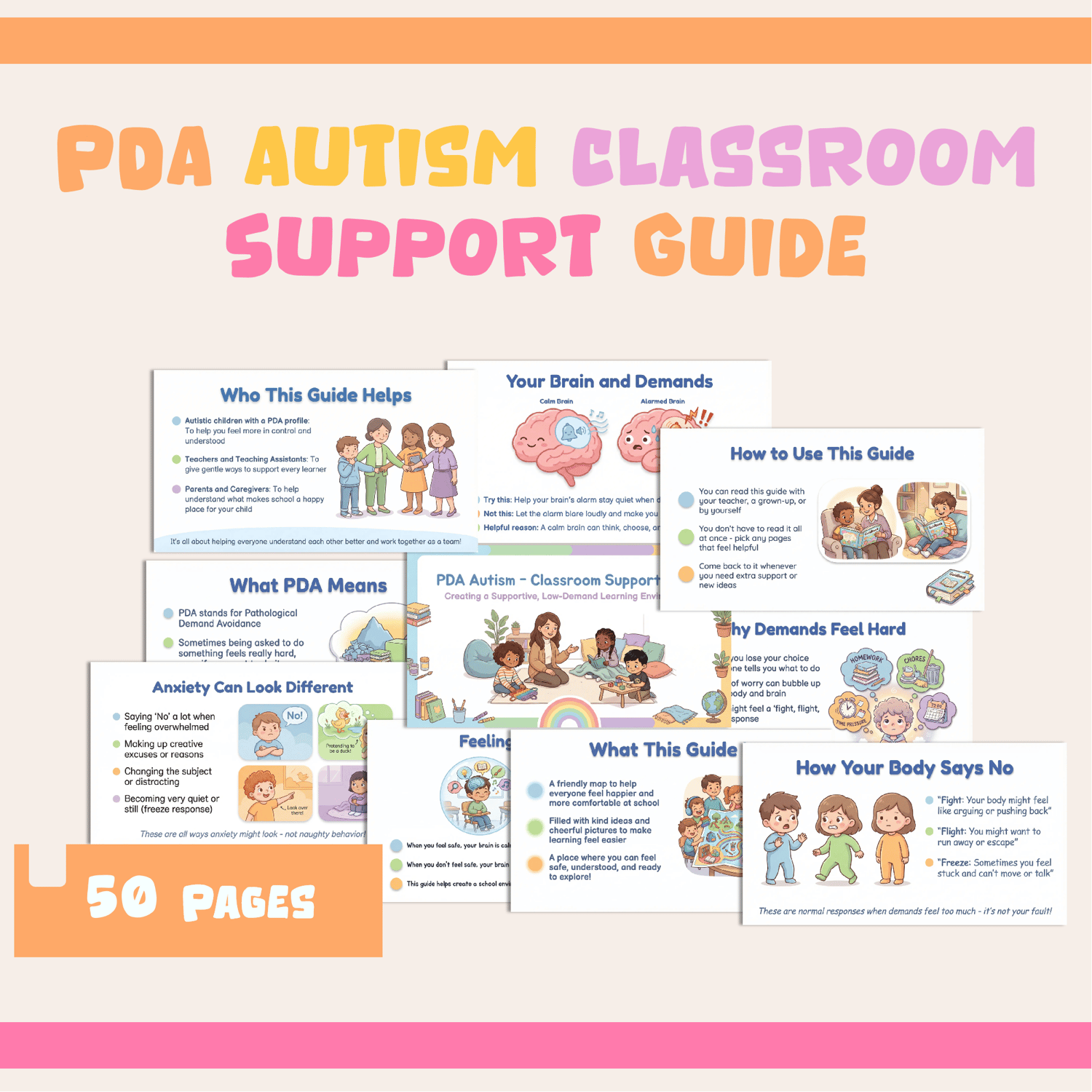
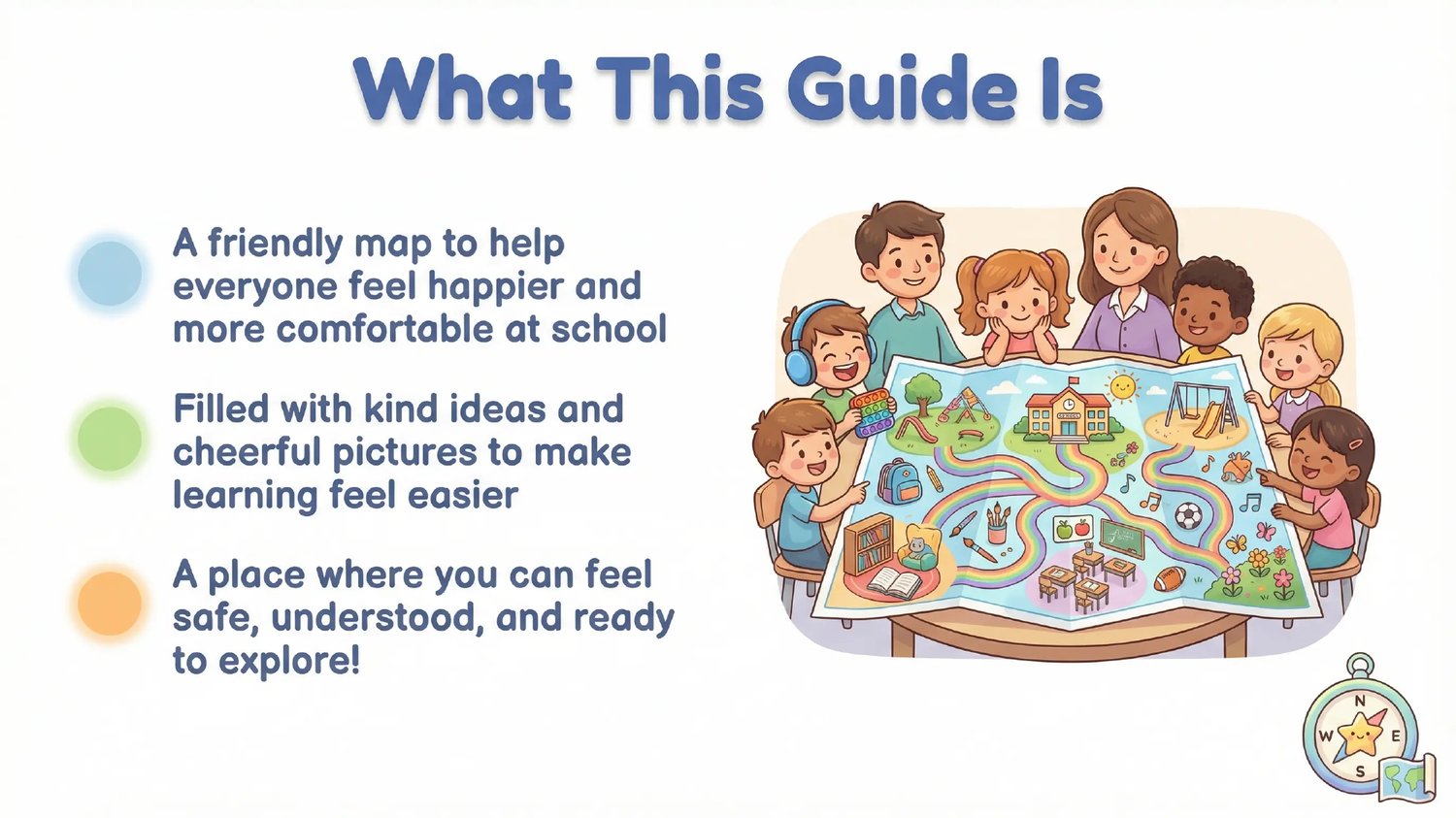
Supporting a student with a PDA profile works best when the child, the teacher, and the family share the same understanding. This 50-page guide pairs warm, kid-friendly explanations of PDA with practical strategies for adults.
What's Inside
- 50 colorful, easy-to-follow pages usable with kids, teachers, and families
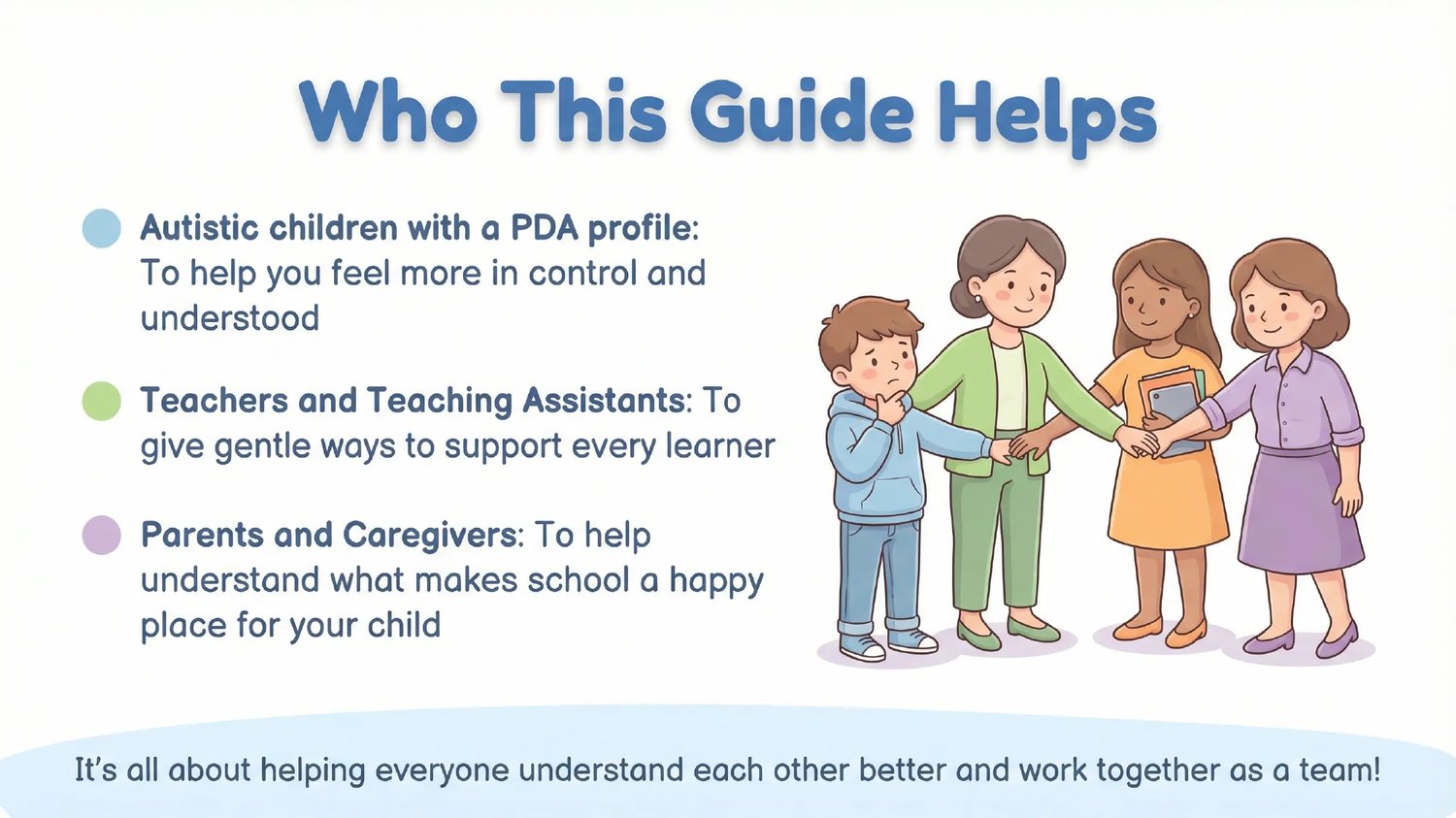
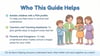
- "Who This Guide Helps" — written for autistic children, teachers/TAs, and parents alike
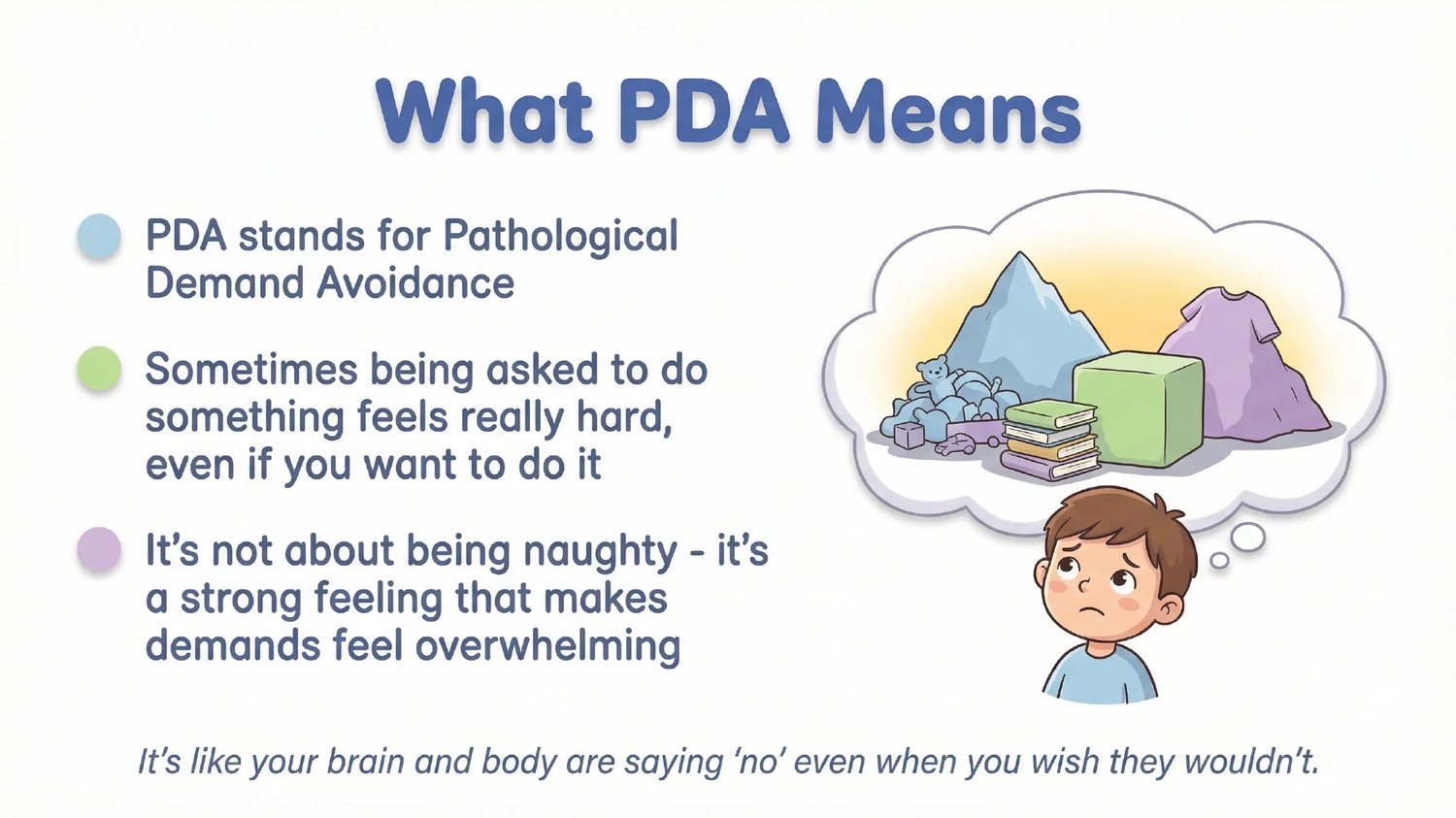
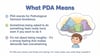
- What PDA Means and Your Brain and Demands, explained in simple, child-friendly terms
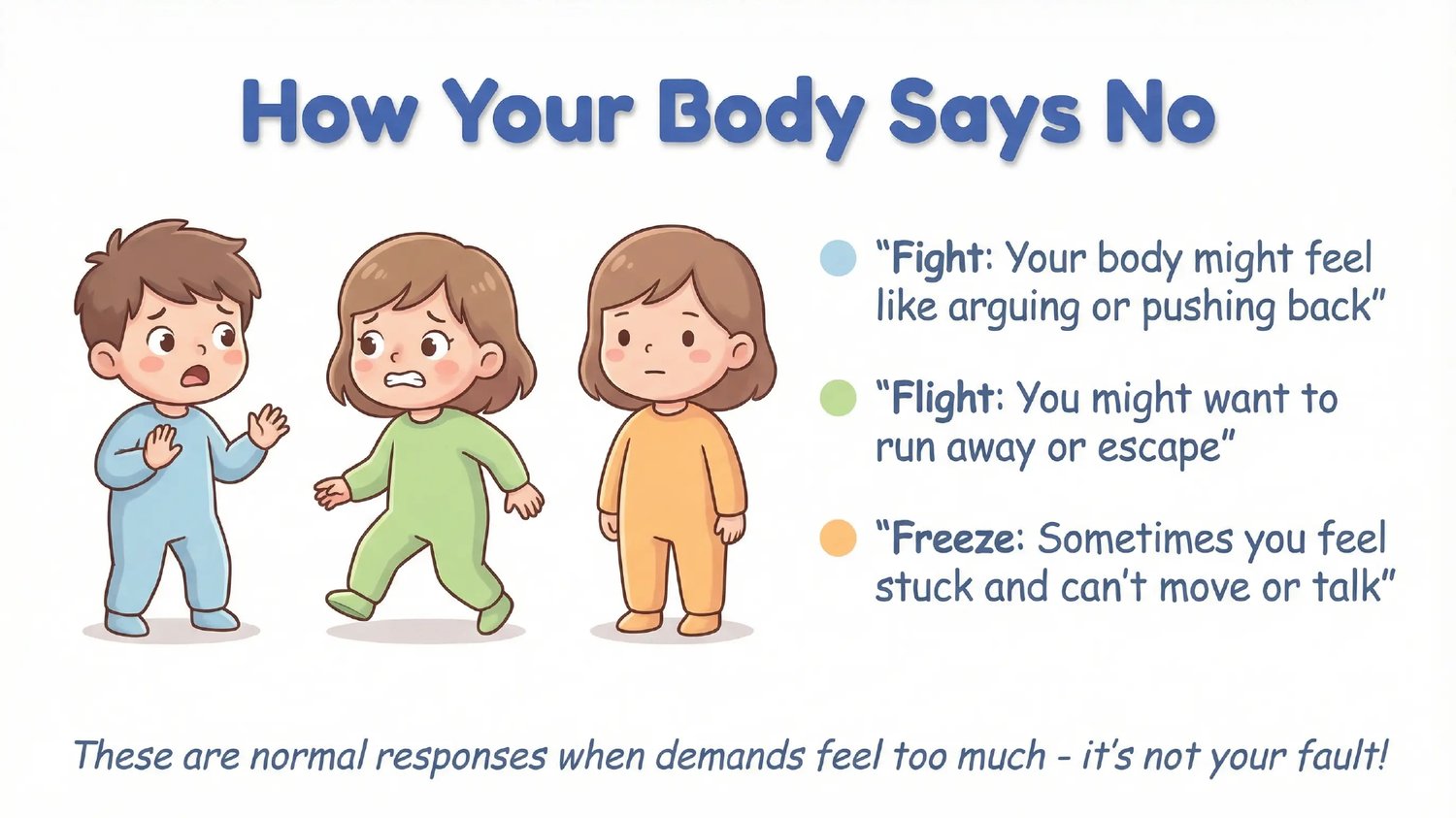
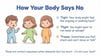
- How Your Body Says No: recognizing fight, flight, and freeze as normal responses
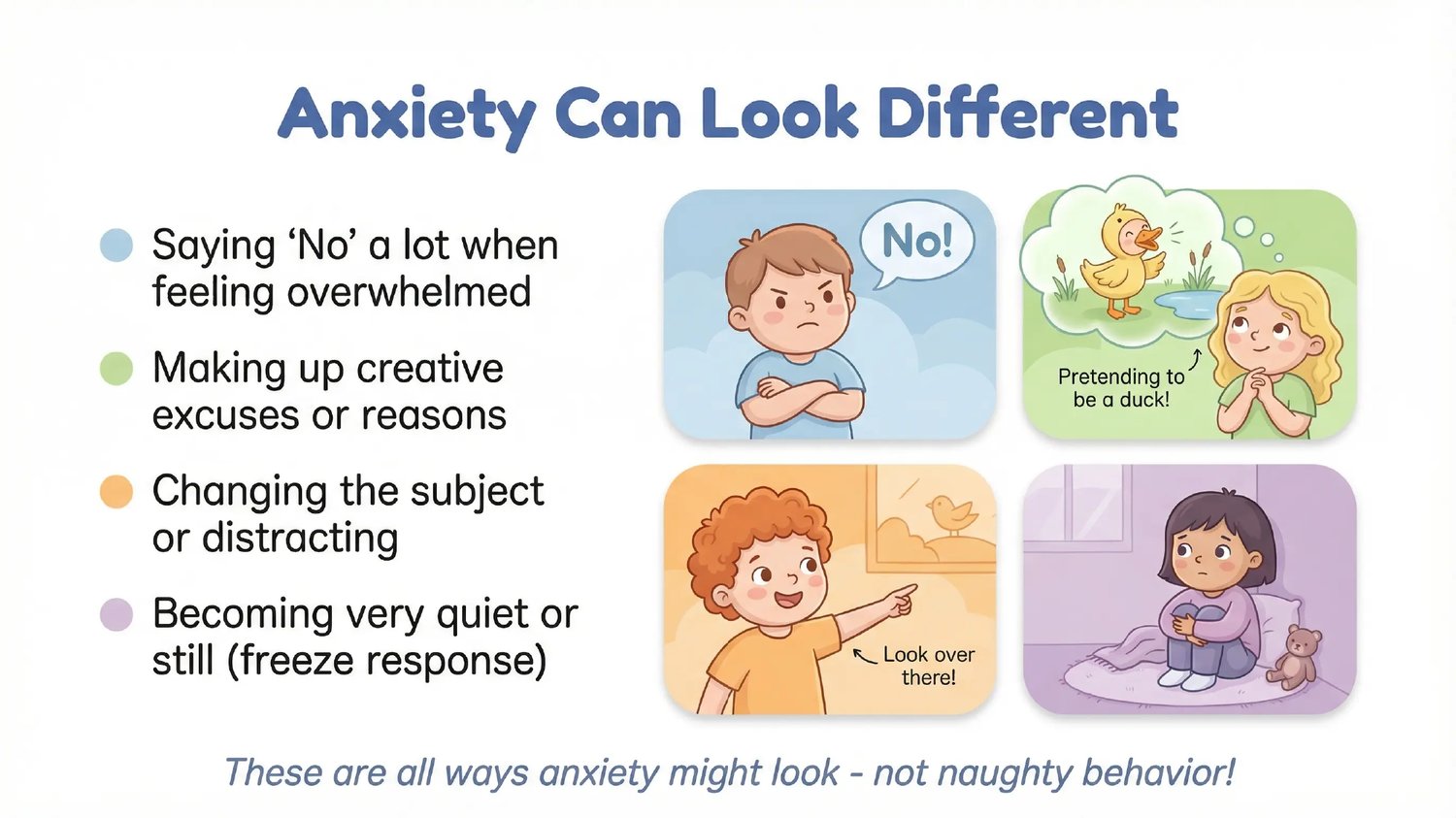
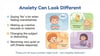
- Anxiety Can Look Different — reframing "no," excuses, and freezing as anxiety, not naughtiness
- Offering Choices with "Try This / Not This" examples for everyday classroom moments
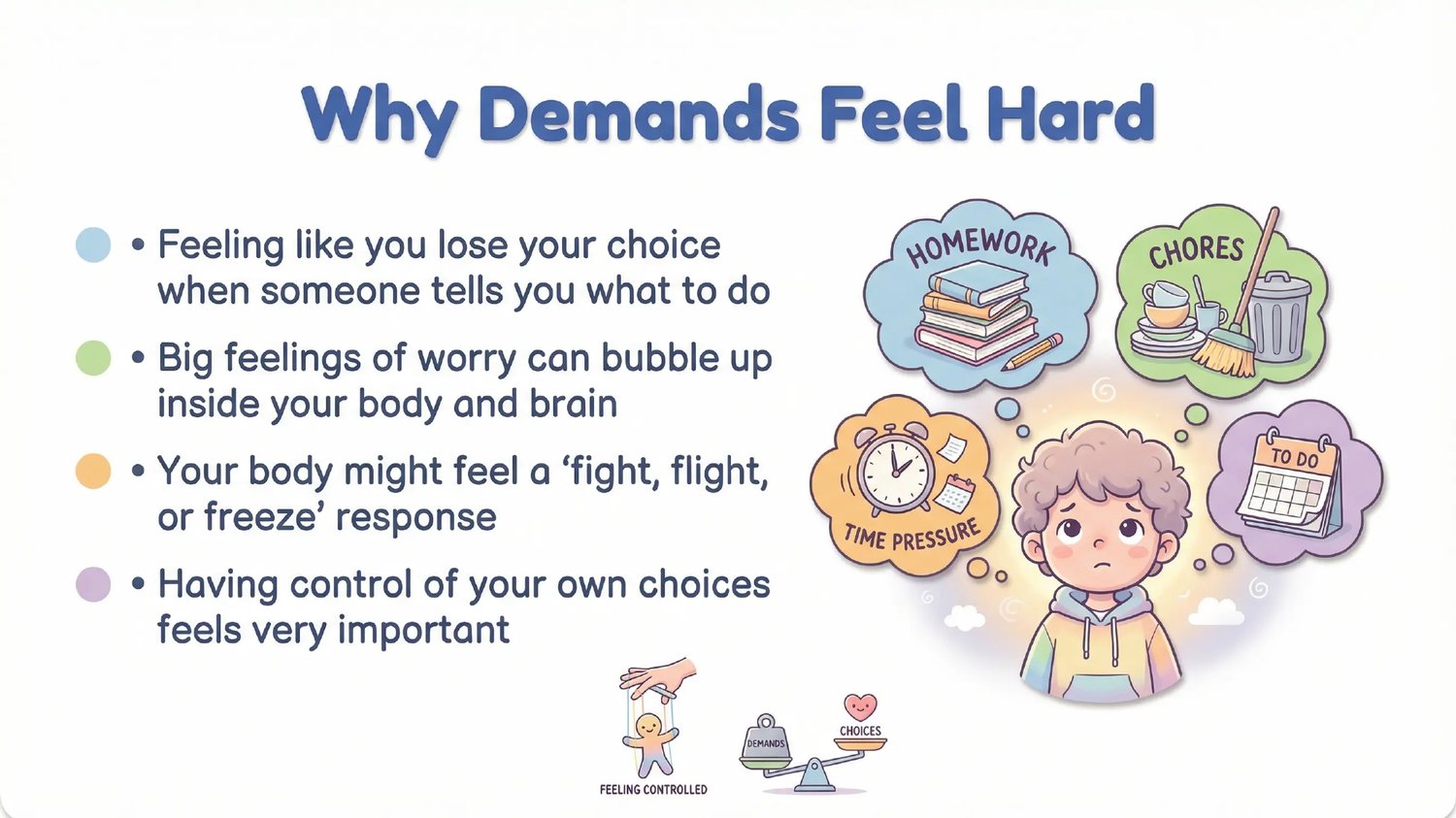
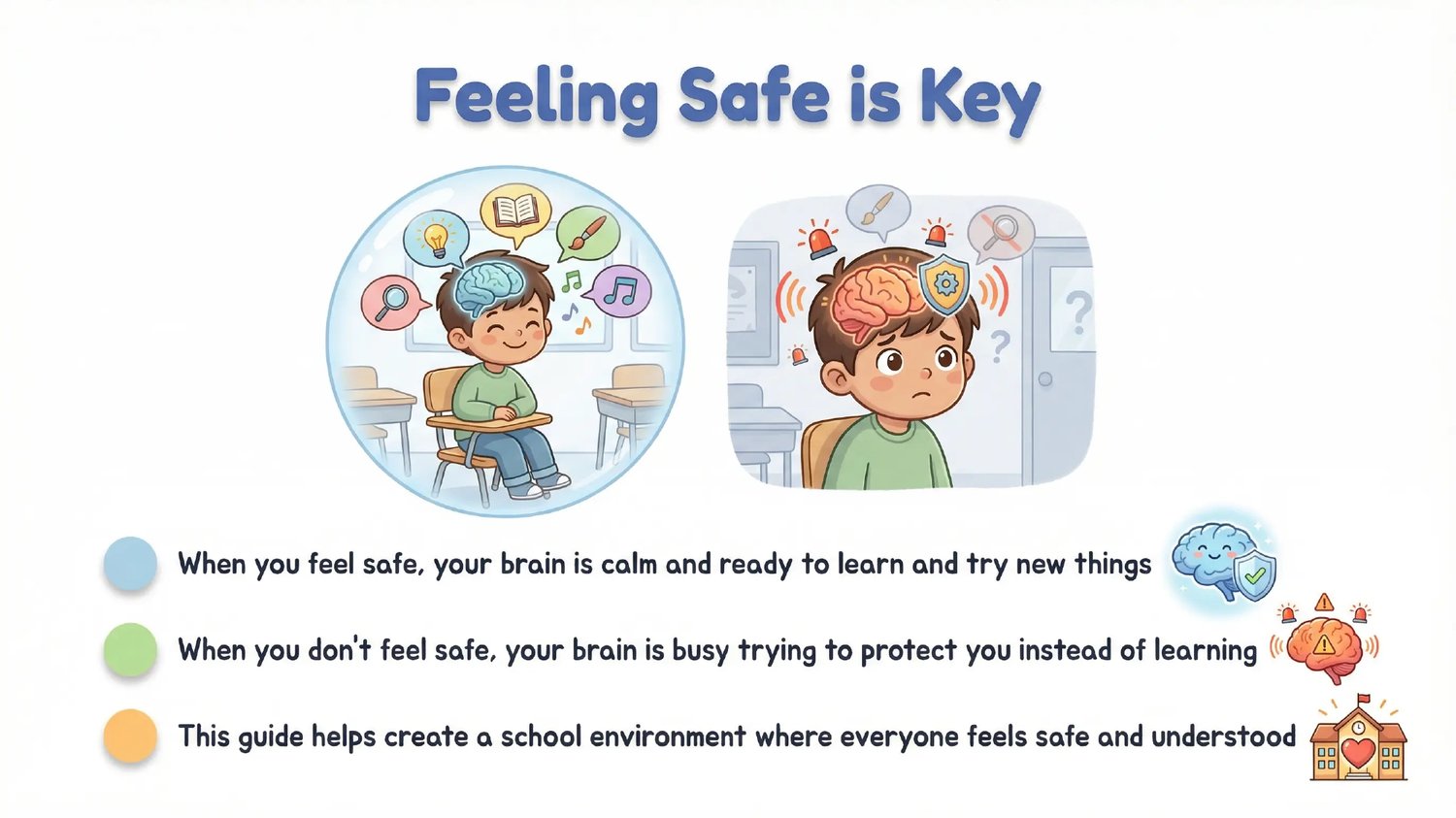
- Why Demands Feel Hard and how a calm brain helps thinking and choosing
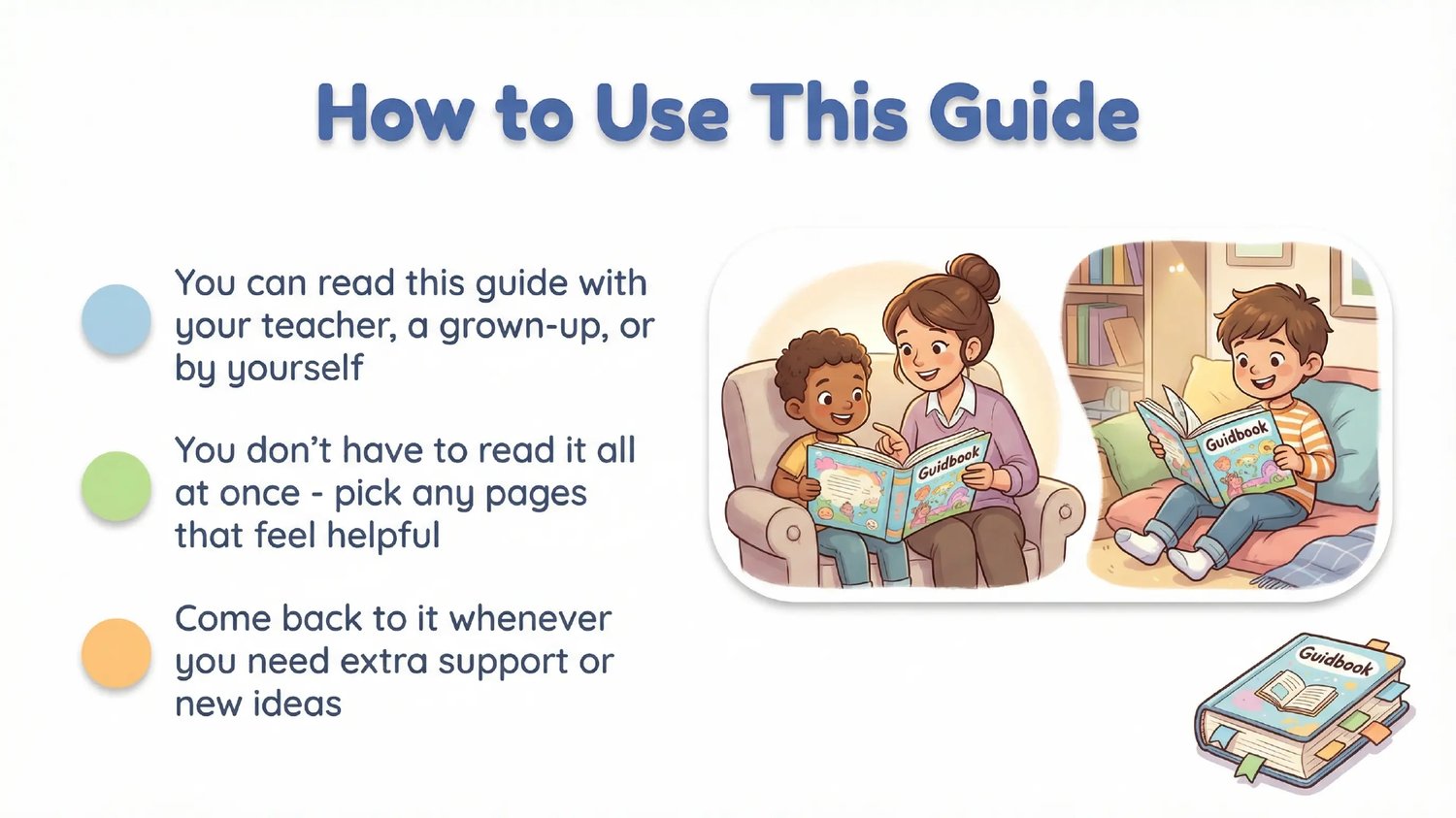
- "How to Use This Guide" — flexible, pick-any-page format for ongoing support
- Validating, reassuring language throughout that helps kids feel understood, not blamed
How It Helps You
- Helps children understand their own responses without feeling blamed
- Gives adults "Try This / Not This" examples for everyday moments
- Uses a flexible, pick-any-page format
Ways to Use It
Read pages with a child, use the strategies in class, or share the guide with parents and teaching assistants.
Who It's For
Autistic children with a PDA profile and the teachers, teaching assistants, and parents supporting them.
Format
Digital guide, 50 pages. Instant download.
Need more than one?
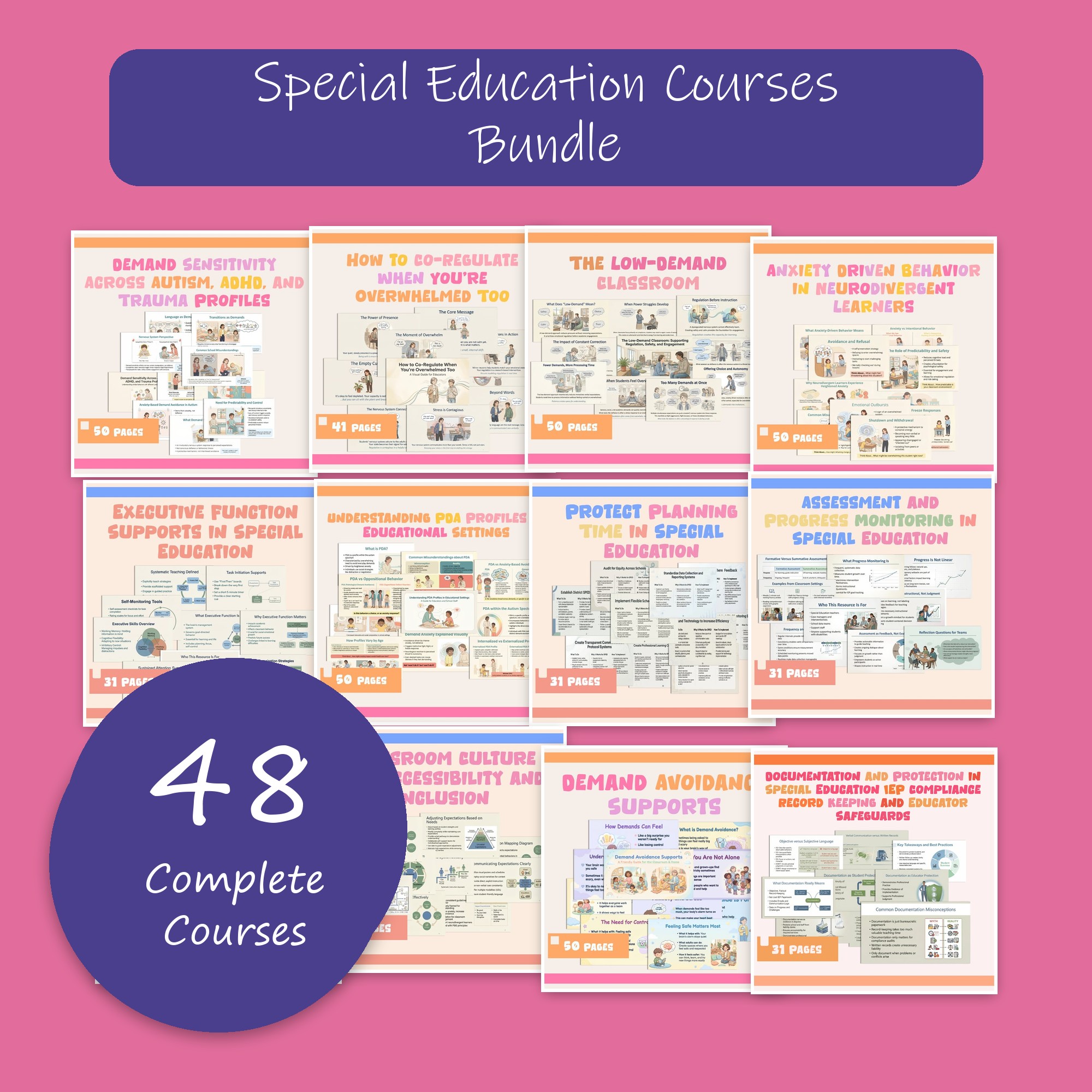
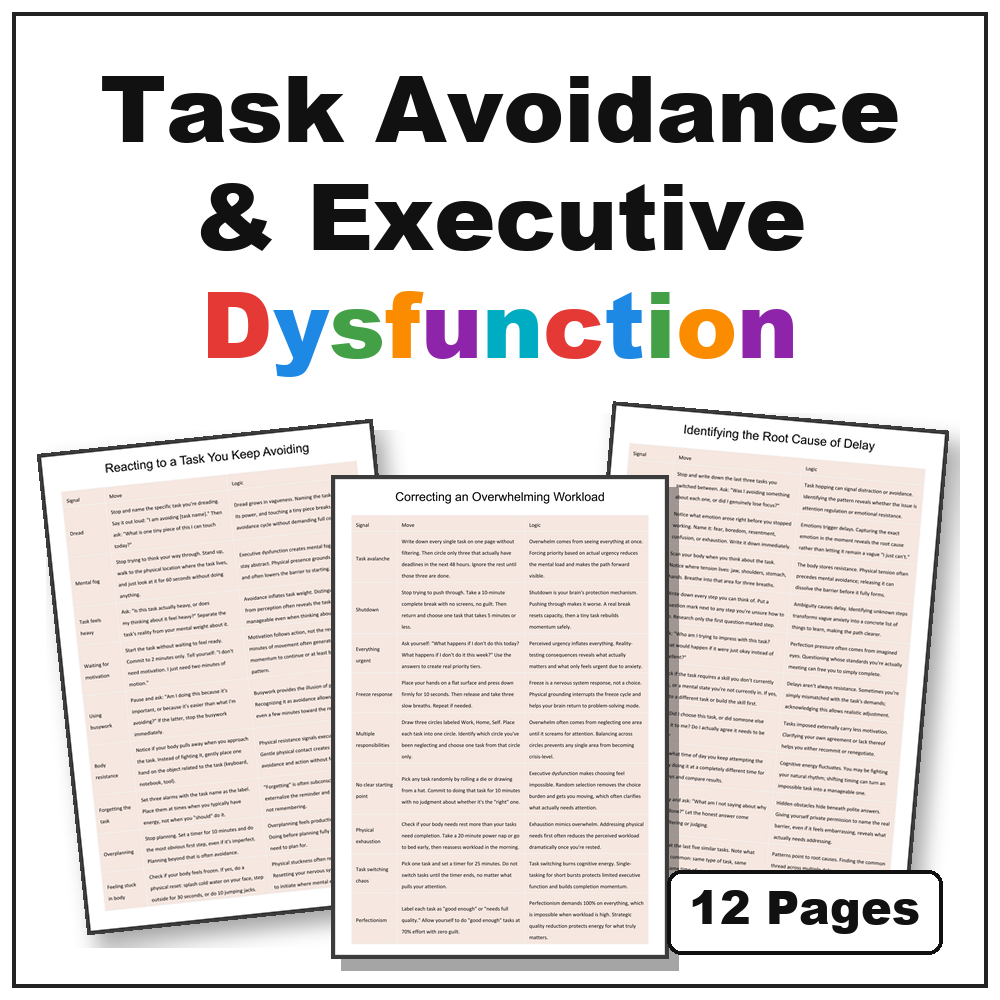
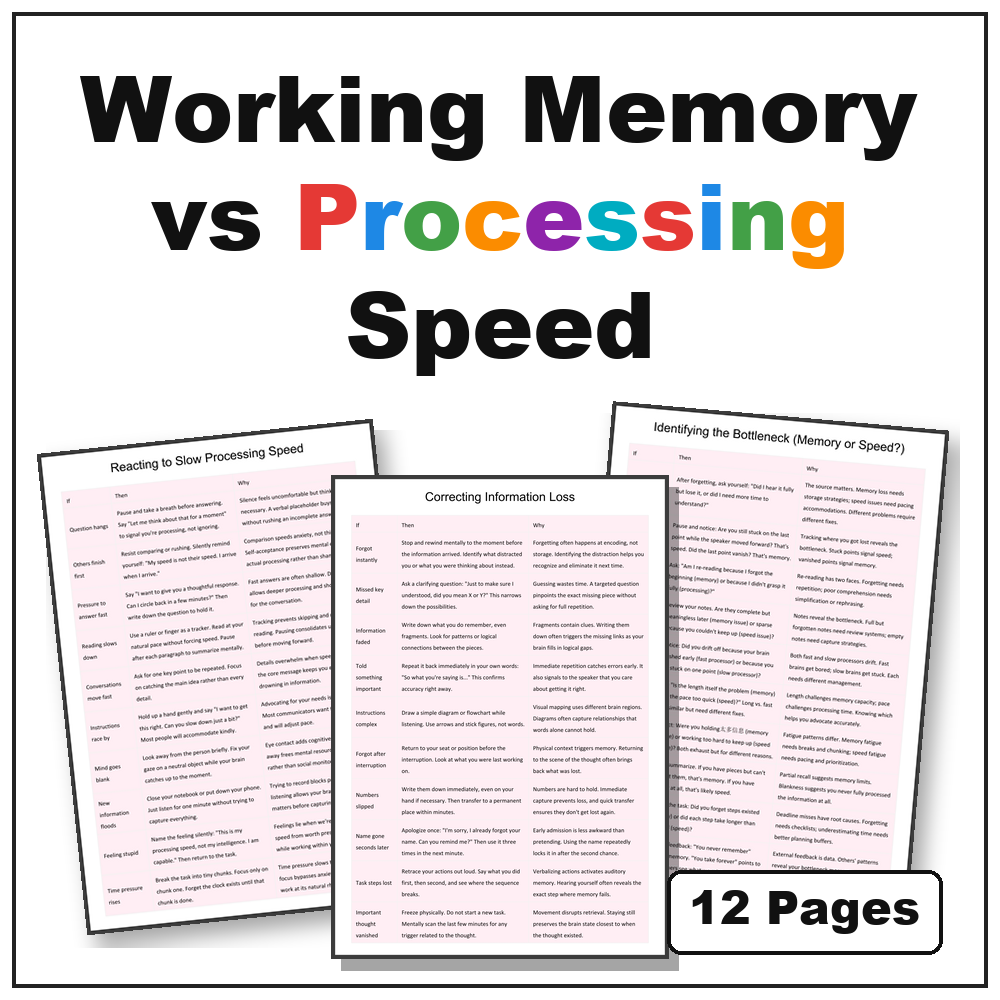
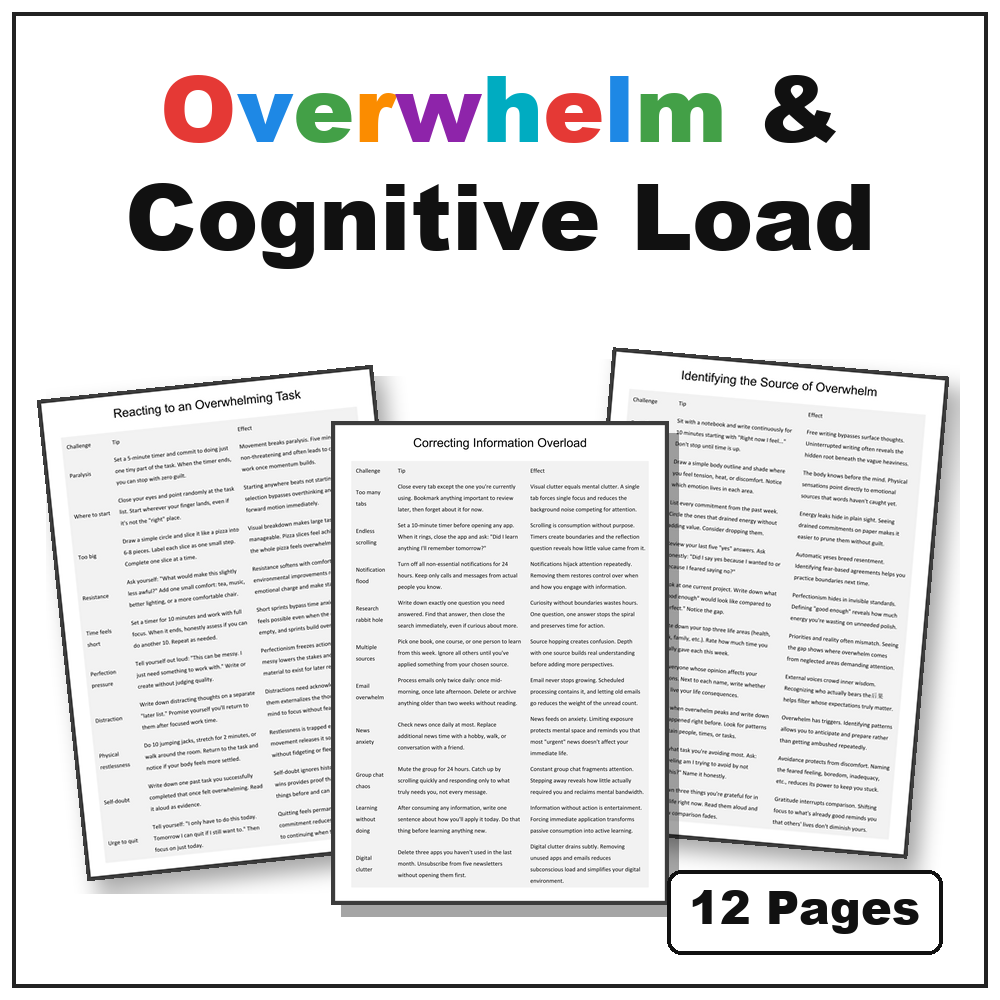
If you use professional development resources with your team, this course fits alongside many others on special education practice. The Special Education Courses Bundle includes this resource and more in one download, and you save 66% compared to buying each item separately.