
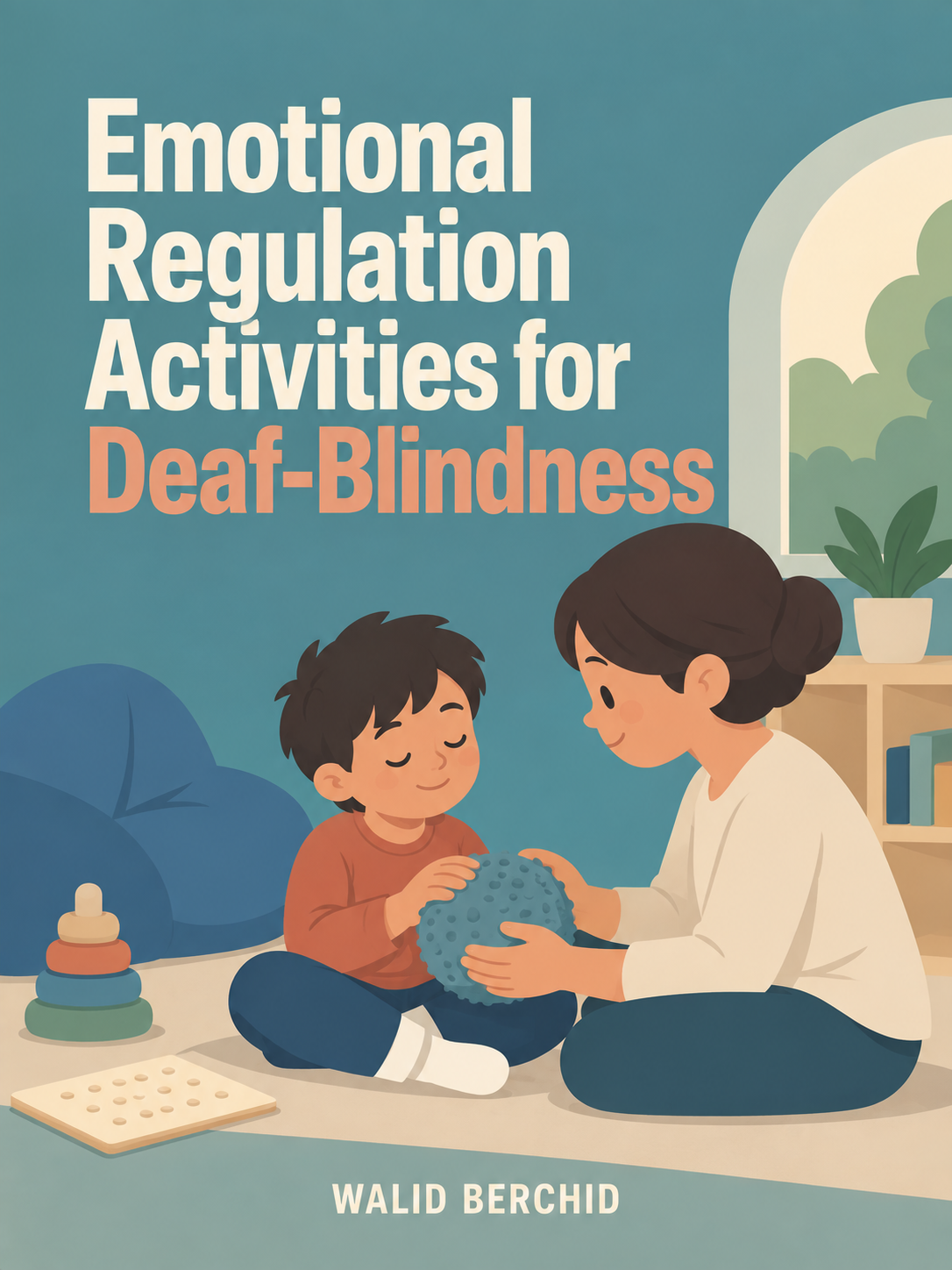
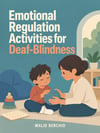
Emotional Regulation Activities for Students with Deaf-Blindness
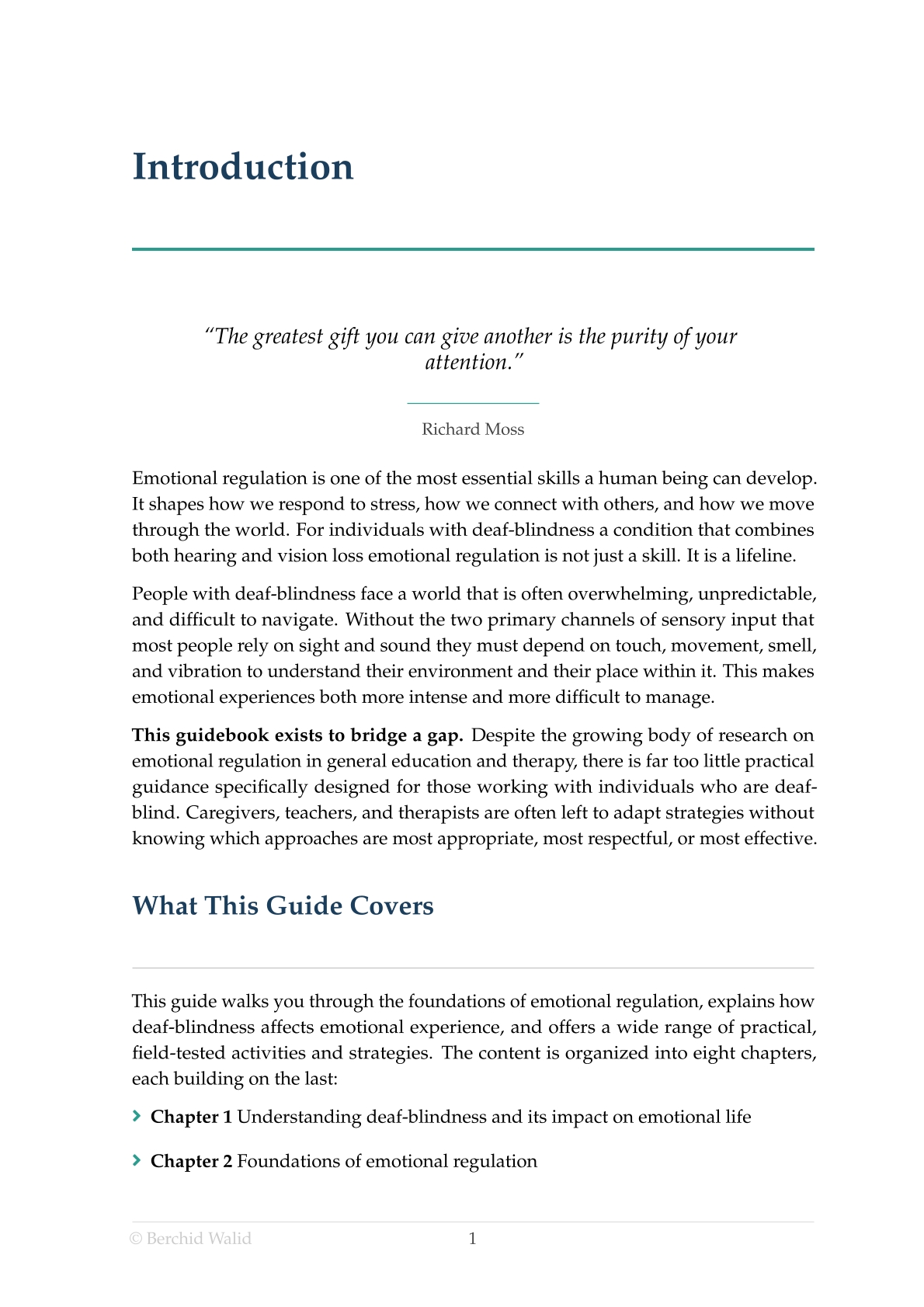
Emotional regulation looks different when a person cannot rely on sight or sound. This practical guidebook explains how deaf-blindness affects emotional experience and builds sensory, body-based and communication-based strategies around touch, movement, smell and vibration.
What's Inside
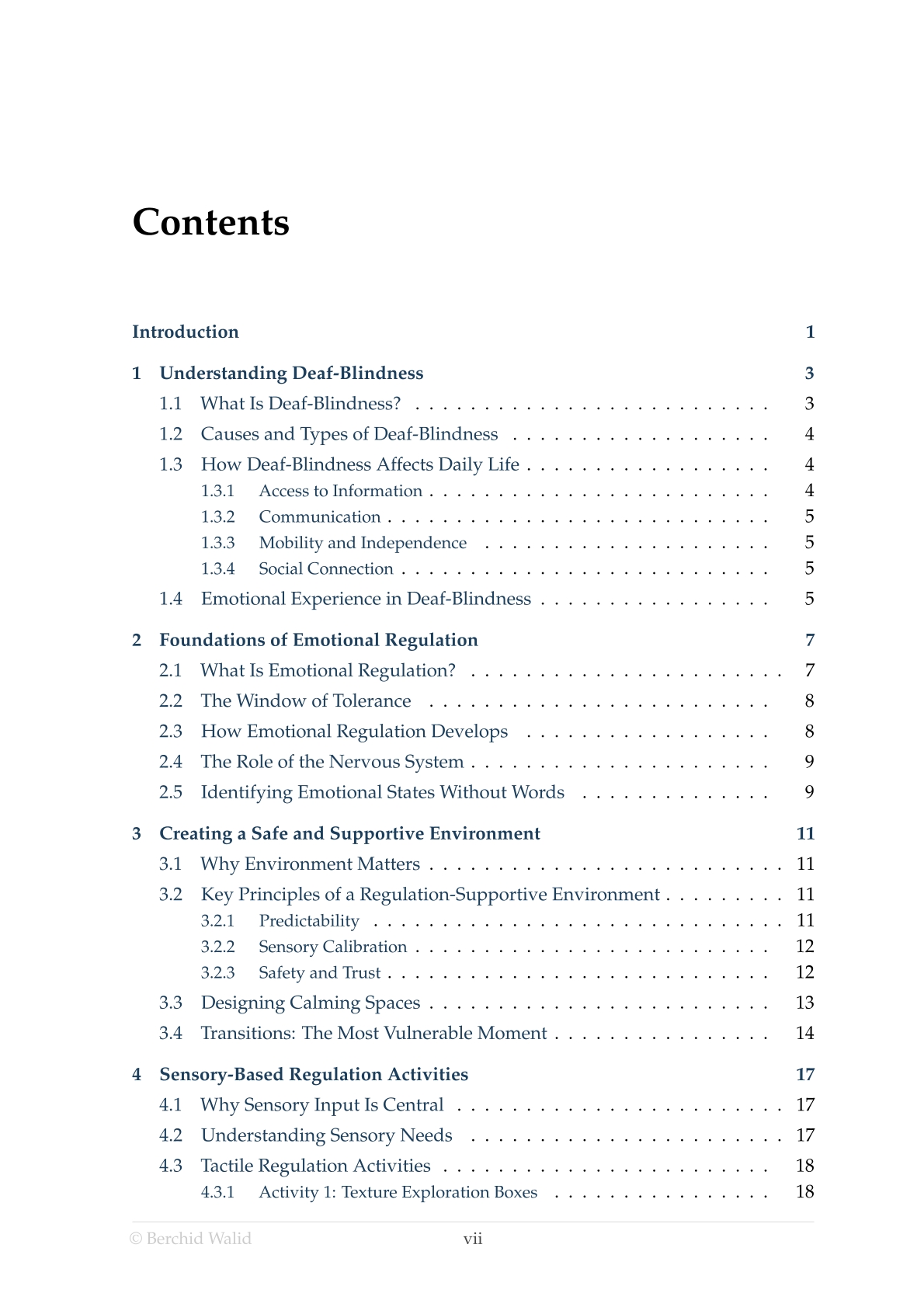
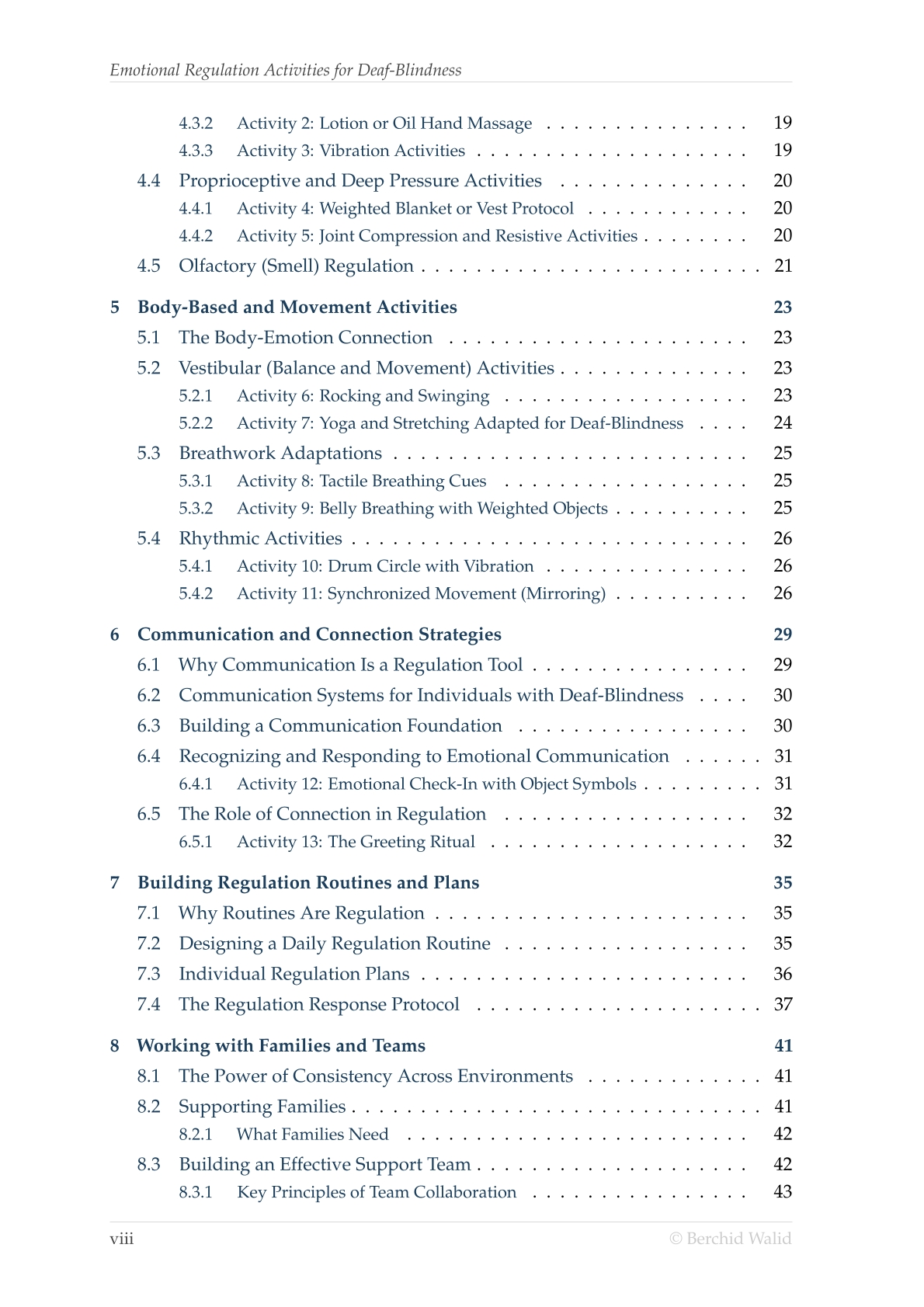
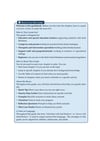
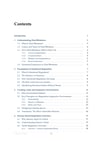
- Deaf-blindness and emotional life
- Foundations of regulation: the window of tolerance and the nervous system
- Safe environments: calming spaces and transition support
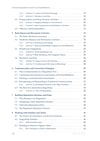
- Fourteen regulation activities: sensory, body-based and rhythmic, including texture boxes, weighted protocols and drum circles with vibration
- Communication and connection: emotional check-ins with object symbols
- Routines and plans: daily regulation routines, individual regulation plans and a regulation response protocol
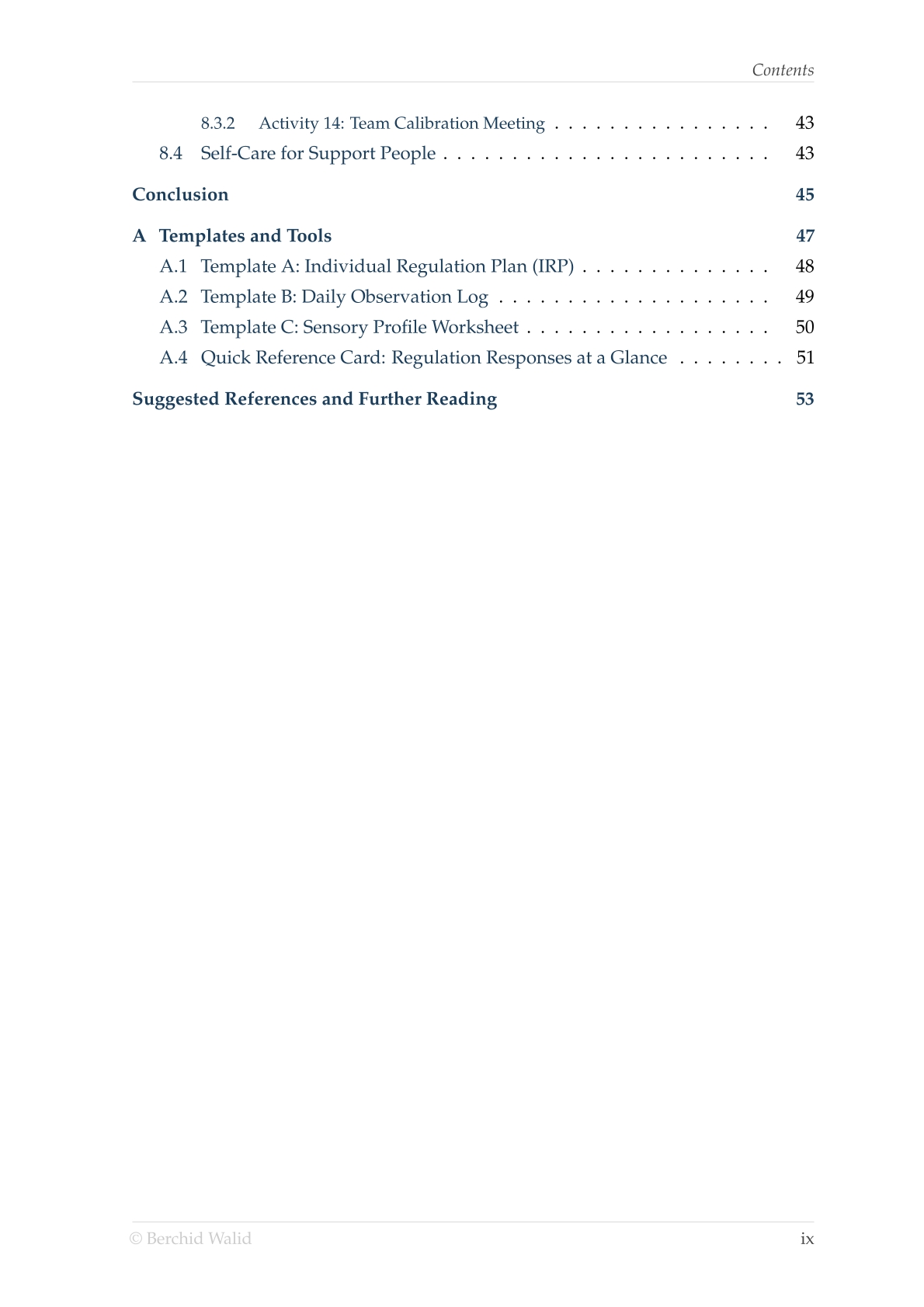
- Families and teams: including self-care for support people
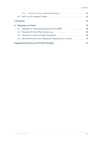
- Four appendix tools: Individual Regulation Plan, daily observation log, sensory profile worksheet and quick reference card
How It Helps You
- Offers strategies designed for touch, movement and vibration rather than sight or sound
- Helps you build an individual regulation plan and response protocol
- Supports the whole team, including families
Ways to Use It
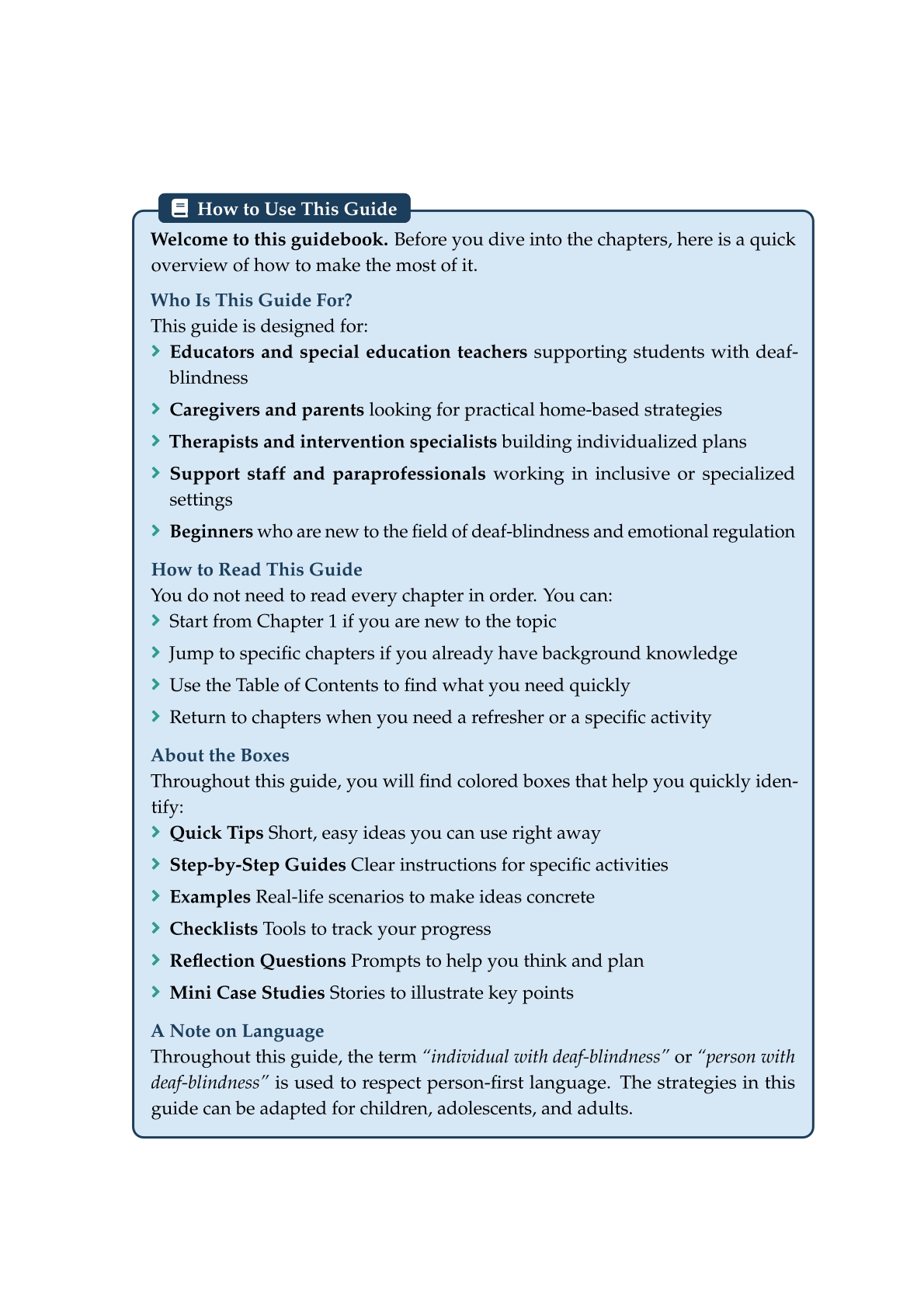
Use it to plan daily regulation routines in class or therapy, set up a calming space, or guide team and family planning meetings.
Who It's For
Special education teachers, intervention specialists, therapists, caregivers and families.
Format
Digital download, print-ready. Instant download.
Need more than one?

For more in-depth professional guides like this one, the guides collection covers many other special education topics. The Special Education Guides Bundle brings together 31 related resources in one download, and you save 80% compared to buying each item separately.